
Structured vs Unstructured Hats: The Difference, and Which Cap to Choose
 Ethan CaldwellContent Publisher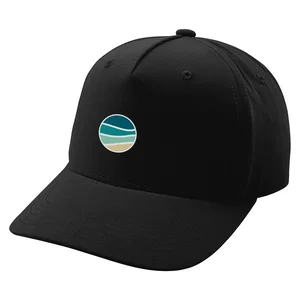
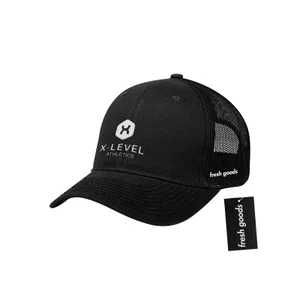
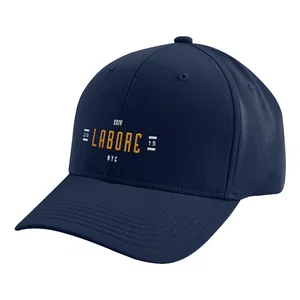
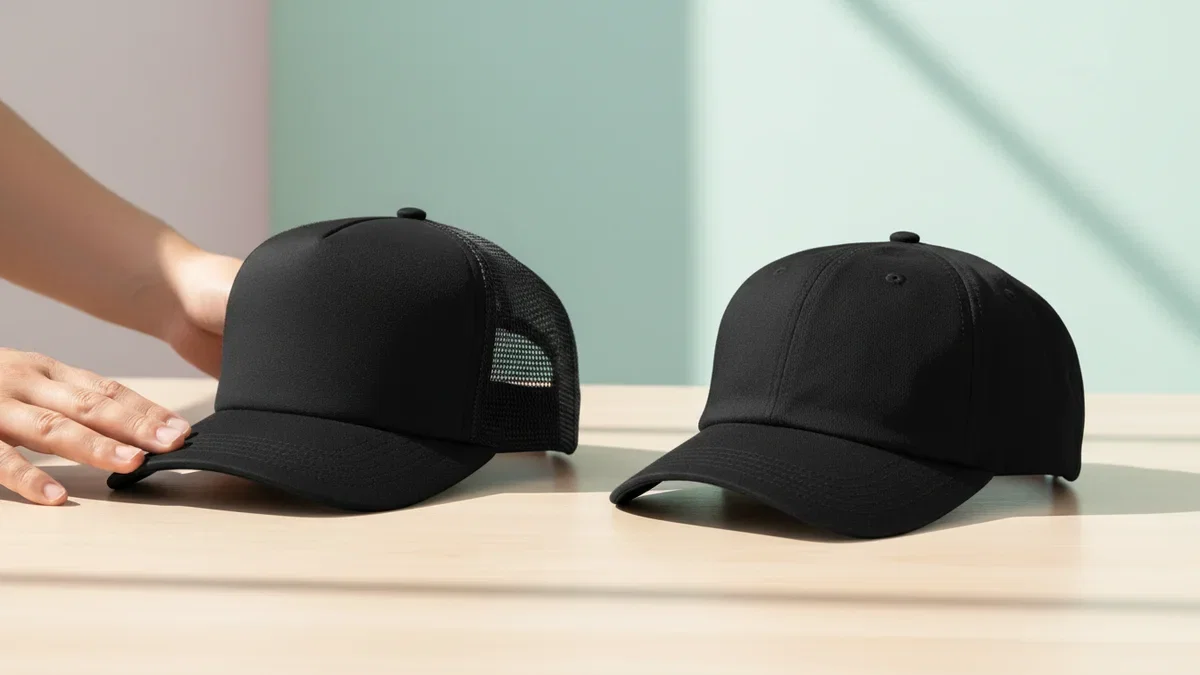
The structured vs unstructured hat question comes down to one thing: a structured cap has a stiff backing that makes the crown stand up and hold its shape, while an unstructured cap has no backing, so the crown is soft and relaxes against the head. Everything else, from the look to the logo to how the cap packs, follows from that one difference. This guide explains both types in plain terms, puts them side by side, and gives you a one-minute chooser plus a free printable so you know exactly which cap to order.
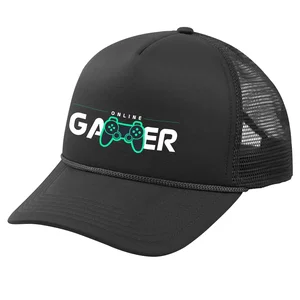
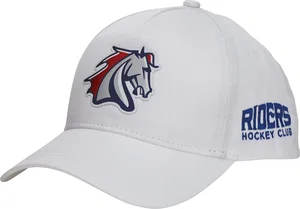
Three Structured, Three Unstructured
View all baseball hats →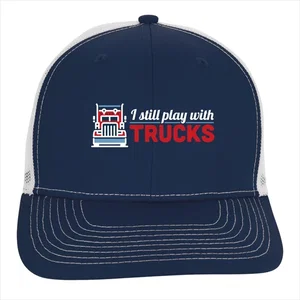
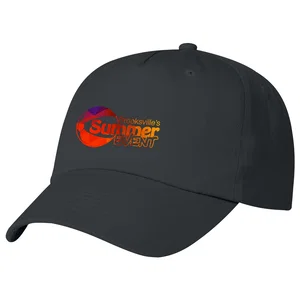
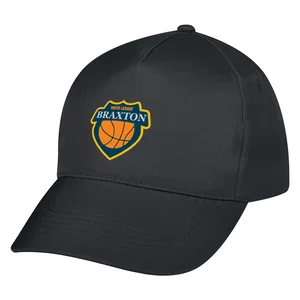
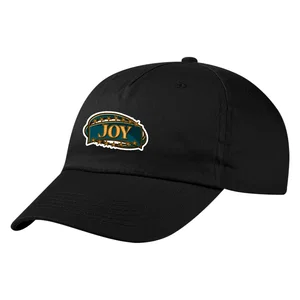
What Is a Structured Hat?
A structured hat is a cap with a stiff backing, called buckram, sewn behind the front panels so the crown stands up and keeps its shape even when nobody is wearing it. Set a structured baseball cap on a desk and it looks like a cap. Pick it up, drop it, and it springs back.
That firm front is what people mean when they say a cap looks "sharp." The crown rises straight up from the forehead, the front panels are smooth, and the logo sits on a flat, steady surface. It is a very uniform look, which is why a structured hat is the usual choice when a whole group needs to look matched.
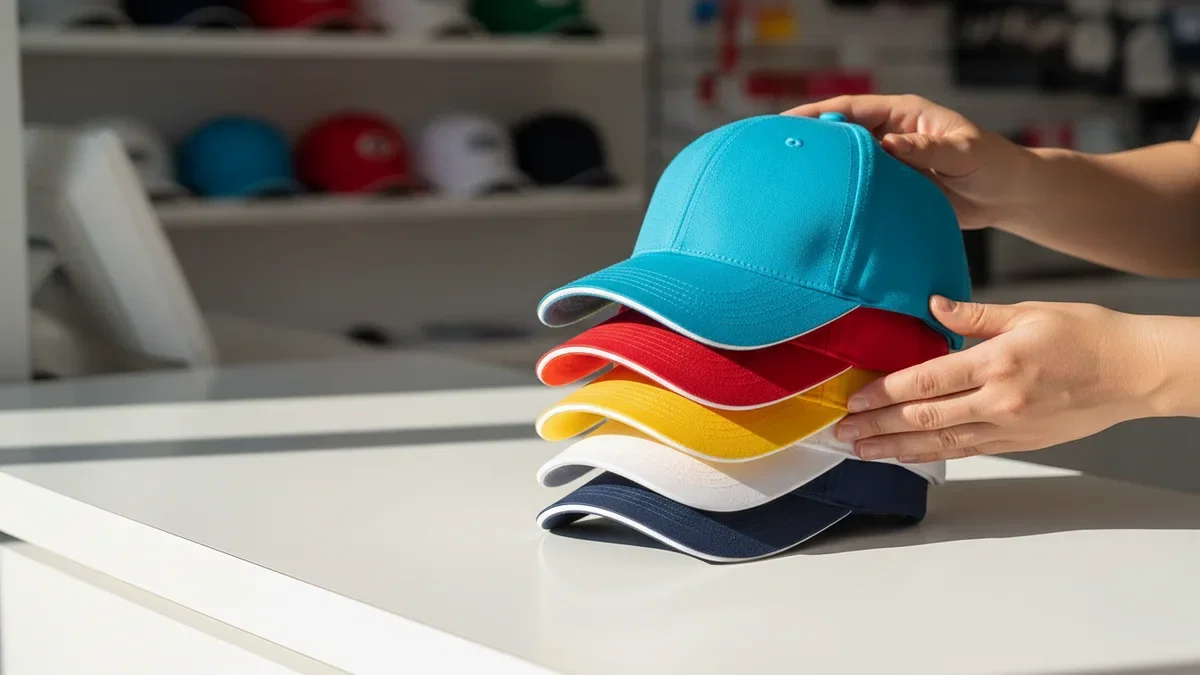
Here is what to expect from a structured cap:
- A crisp, sporty look. The shape is the same on every head and every shelf.
- A firm feel on the forehead. The front does not collapse or wrinkle, so it feels more like a hat with some presence.
- A strong base for logos. Bold or tall embroidery sits on a stiff panel and stays flat.
- Medium or high profile. Structured caps usually sit taller on the head than their soft cousins.
- Common styles. The trucker cap, the snapback and the classic ballcap are all usually structured.
The trade-off is packing. Because the front holds its shape, it needs room in a box or a bag. Squash it flat and the crown can crease or crack, which is covered in the care section below.
Structured Caps That Hold Their Shape
View all trucker hats →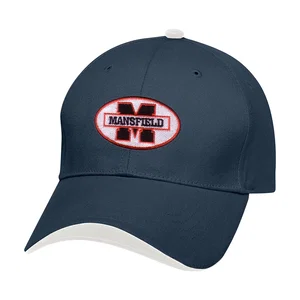
What Is an Unstructured Hat?
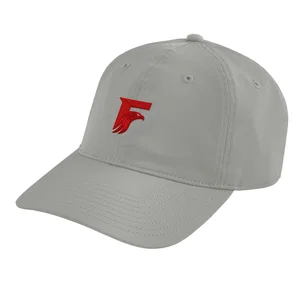
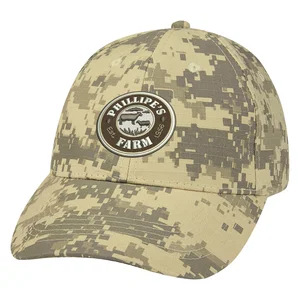
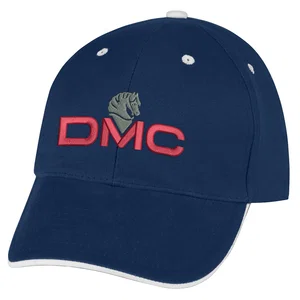
An unstructured hat is a cap with no stiff backing, so the crown is soft fabric that relaxes, lies flat off the head and shapes itself to the person wearing it. An unstructured baseball cap feels broken in from the first wear, a little like a favorite T-shirt.
You will hear several names for the same idea. Unstructured baseball hats are often called dad caps, washed caps or relaxed caps. A mens unstructured hat and a women's one are usually the same cap, since the soft crown adjusts to the head rather than demanding a certain shape. That is a big part of why an unstructured cap is easy to give to a mixed group.

What to expect from an unstructured cap:
- A casual, lived-in look. The crown has gentle folds and does not stand up.
- Soft from the first wear. There is no stiff front to break in.
- Low profile. The crown sits closer to the head, which many people find comfortable and flattering.
- Best with smaller, flatter logos. A soft front moves a little, so compact designs sit best.
- Easy to pack. It folds into a bag, a jacket pocket or a suitcase and comes back out fine.
- Common styles. The dad cap, the washed cap and the relaxed cap.
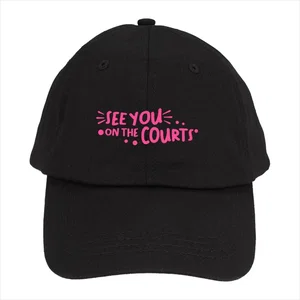
Unstructured Caps With a Relaxed Fit
View all baseball hats →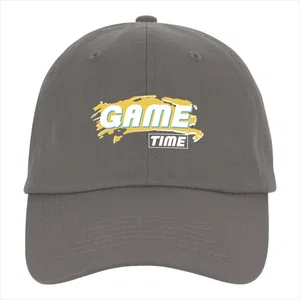
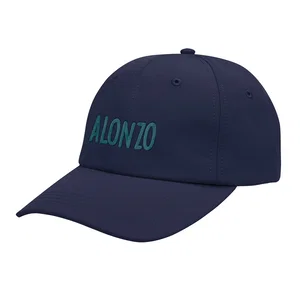
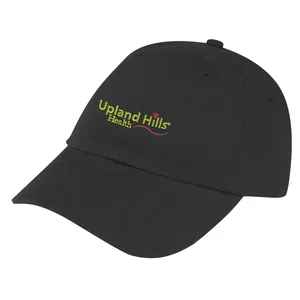
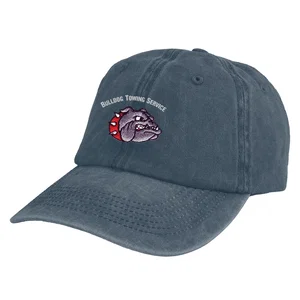
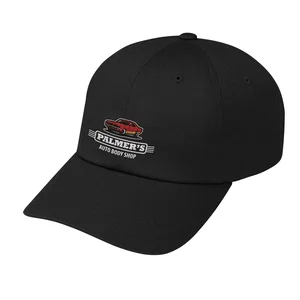
Structured vs Unstructured Hat: Side by Side
In a structured vs unstructured hat comparison, structured wins on shape, uniformity and bold logos, and unstructured wins on comfort, packing and a relaxed look. This table puts the two next to each other.
| Feature | Structured | Unstructured |
|---|---|---|
| Front panels | Stiff backing keeps them upright | Soft, no backing |
| Off the head | Stands up and keeps its shape | Relaxes and lies flat |
| Look | Crisp, sporty, uniform | Casual, broken-in |
| Feel | Firm on the forehead | Soft from the first wear |
| Logo | Firm base for bold or tall embroidery | Best with smaller, flatter logos |
| Packing | Needs room so the front is not crushed | Folds into a bag or pocket |
| Common styles | Trucker cap, snapback, classic ballcap | Dad cap, washed cap, relaxed cap |
| Good for | Uniforms, teams, events, big logos | Everyday gifts, travel, mixed groups |
Want to keep this handy? We made a one-page printable you can pin up or hand to whoever is approving the order. It has the comparison table, five quick questions and six cap words to know.
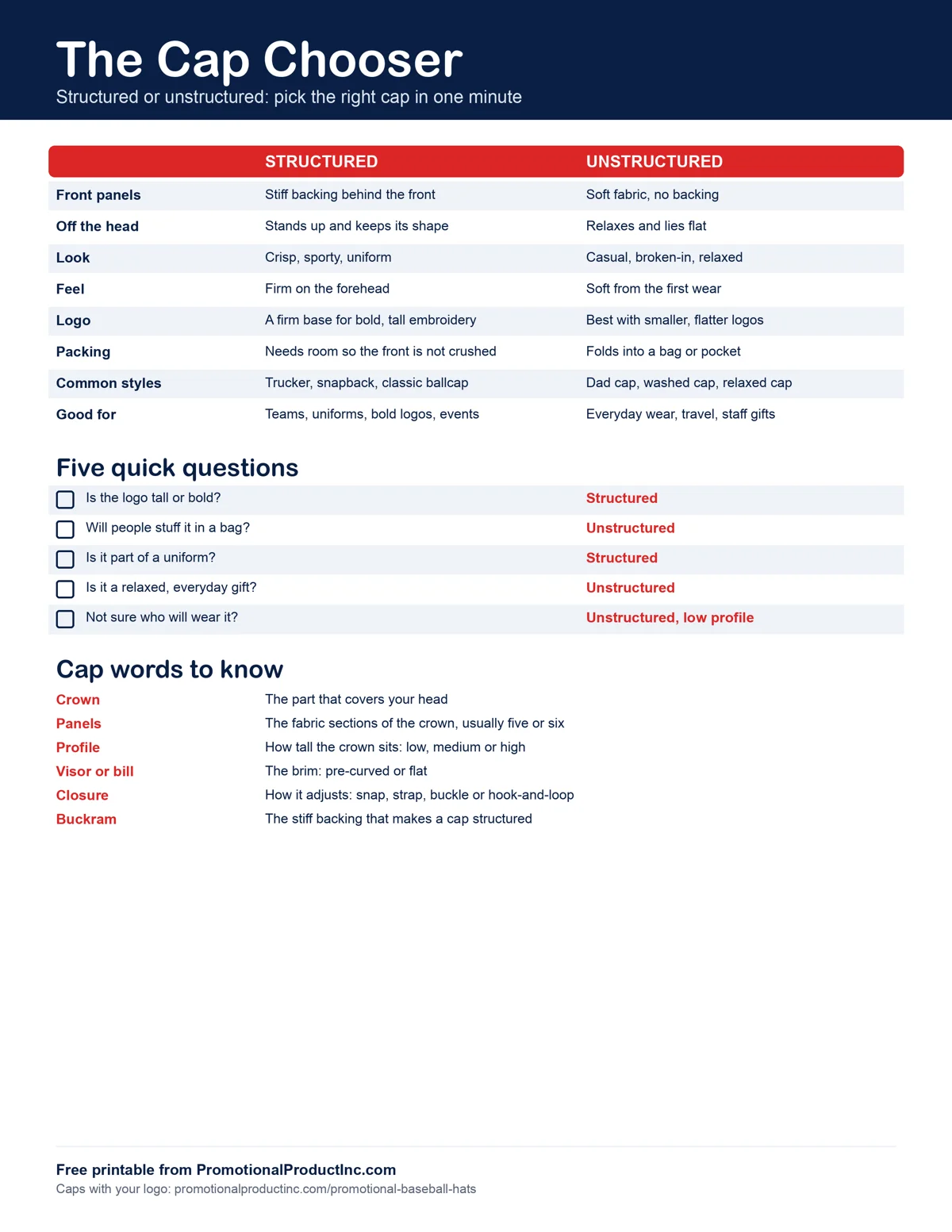
Download the free Cap Chooser (PDF)
The One-Minute Chooser: How to Choose a Cap
To decide which cap to choose, answer five quick questions: if most answers say structured, order structured, and if most say unstructured, order unstructured. Each question below is also on the printable.
1. Is the logo tall or bold? If yes, lean structured. A stiff front gives a tall or wide design a flat, steady surface, so the stitching stays crisp and the shape of the logo does not wobble. A small, simple mark is happy on either type.
2. Will people stuff it in a bag? If yes, lean unstructured. Soft crowns fold into a backpack, a pocket or a suitcase and keep going. A structured cap can be packed too, but it needs a little room, and not everyone will give it any.
3. Is it part of a uniform? If yes, lean structured. A structured cap looks the same on every head, so a crew in matching caps reads as a team. Soft caps look a little different on each person, which is charming for a gift and less ideal for a uniform.
4. Is it a relaxed, everyday gift? If yes, lean unstructured. Soft caps feel friendly and worn-in, which suits a thank-you, a welcome gift or a casual team treat. Nobody needs to feel they are being handed workwear.
5. Not sure who will wear it? Choose unstructured, low profile. A soft, low crown shapes itself to many heads and suits many styles, which makes it the safest pick for a mixed group of unknown wearers.
Tie-Breakers
Still tied? These nudge the decision:
- Think about where the cap will be seen. A big front-and-center logo for a crowd points to structured. A quiet everyday hat points to unstructured.
- Think about the weather. Mesh-back structured styles let air through, which suits hot, outdoor days.
- Think about the head. If your group includes people who find a tall crown uncomfortable, go low profile.
- Order a sample. One of each in the same color tells you more in five minutes than a week of debate.
How Each One Takes a Logo: Embroidery on Firm and Soft Fronts
Embroidery looks sharpest on a firm front, but both types take a logo well when the design suits the cap. The practical rule is to match the logo to the surface.
Embroidery on a structured cap. The stiff backing holds the fabric flat while the needle works, so fine lines, small letters and large, solid shapes all come out clean. A structured baseball cap is the natural home for a tall logo, a wide wordmark or a design with plenty of stitching.
Embroidery on an unstructured cap. The front is soft, so the fabric can pucker a little under heavy stitching. Keep the logo compact and simple: fewer colors, bolder letters, less dense fill. A well-sized logo looks neat and intentional on a soft front, and the cap stays soft because there is less stitching to stiffen it.
Logo height. Whatever the cap, keep the logo in proportion to the front. A very tall design on a low profile cap can run into the seam or the bill. If your artwork is tall, either choose a higher crown or ask for the design to be sized down.
Patches. A leatherette or woven patch works on both types. A patch is a good answer when a logo is detailed or when you want a clean, raised look without dense stitching on a soft front. It also gives a very consistent result across a large order.
Printed or embroidered. Embroidery is the classic choice because it is textured, durable and looks premium. A print can suit very detailed artwork or a flat, modern look, and it keeps a soft cap soft. If you are unsure, ask for a mockup of both.
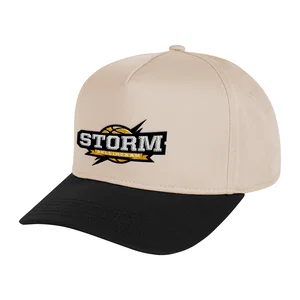
Five-panel fronts. A five-panel cap has one wide front panel with no center seam, so a wide logo has one uninterrupted space. On a six-panel cap, a seam runs down the middle of the front, and stitching has to be planned around it.
A quick artwork checklist. Before you order, run your logo through these four questions. Is it wider than it is tall, or the other way round? Does it have thin lines or tiny text that could fill in on a soft front? How many colors does it use? Will it sit on a seam? Share the answers with your decorator, and they can suggest the right cap and the right size for the design. If the logo is tall, detailed or full of color, a structured cap or a patch is usually the easier road. If it is short, simple and bold, an unstructured cap is happy to carry it.
Last, remember that a cap is worn from the side and from below as well as from the front. A neat, modest logo on a comfortable cap often gets worn far more often than a huge logo on a cap that feels stiff, and a cap that gets worn is the one that keeps your name in front of people.
Profile, Panels and Bills
Beyond structure, three more features shape how a cap looks: profile, panels and the bill. Once you know them, you can describe exactly what you want.
Profile is how tall the crown sits. A low profile cap sits close to the head, a medium or mid profile sits a little higher, and a high profile stands tall. Unstructured caps are usually low profile. Structured caps are usually medium or high profile.
Panels are the fabric sections that make up the crown, usually five or six. A five-panel cap has one wide front panel with no center seam. A six-panel cap has a seam down the middle of the front.
Bills (also called visors) come pre-curved or flat. A pre-curved bill gives a classic ballcap shape and is ready to wear. A flat bill gives a modern, street-style look, and wearers can curve it themselves if they like.
Closures hold the cap on the head: a snap, a strap, a buckle or hook-and-loop. They affect adjustability more than style, and most promotional caps use an adjustable closure so one size suits many people. For the full size picture, see our hat size chart.
Here is how the features combine in common styles:
| Style | Structure | What it looks like |
|---|---|---|
| Trucker hat | Structured front, mesh back | Tall front panel, breathable mesh, often a snap closure |
| Snapback | Structured | Firm crown, flat or curved bill, snap closure at the back |
| Classic ballcap | Structured | Six panels, pre-curved bill, medium profile |
| Dad hat | Unstructured | Low profile, soft crown, curved bill, strap or buckle |
| Washed cap | Unstructured | Soft, faded, broken-in look from the start |
| Relaxed cap | Unstructured | Soft crown, low profile, easy everyday fit |
Beanies and bucket hats are different animals, soft and brimless or wide-brimmed. If you are weighing other headwear, take a look at bucket hats and promotional beanies.
Which Cap for Which Job
Match the cap to the job: structured for anything uniform or logo-heavy, unstructured for anything relaxed or portable. Here is a quick pick for common uses.

- Crew uniforms. Structured. Every cap looks the same, and the firm front shows the company logo clearly. See trucker hats.
- Trade show staff. Structured. A crisp front makes a bold logo easy to read across a hall.
- Golf outings. Unstructured. Soft, low profile caps are comfortable for a long day and suit a relaxed event.
- Schools and teams. Structured for uniform looks and spirit days, unstructured for casual fan gear.
- Retail merch. Both. Offer a structured snapback and a soft dad hat so shoppers choose their own style.
- Staff gifts. Unstructured. A soft cap feels friendly, fits many people and does not look like workwear.
- Outdoor work. Structured with a mesh back. The firm front keeps its shape and the mesh lets air through.
- Events and giveaways. Unstructured, low profile. It is the safest choice when you do not know who will take one.
Browse the full range of promotional hats or jump straight to baseball hats.
Care and Packing
Store and ship a structured cap with room around the crown, and treat an unstructured cap as the easy traveler it is. A little care keeps both types looking good.
Structured caps. Do not crush the front. The stiff backing can crease or crack if you flatten it, and a creased front does not come back. Stack caps nested one inside another in a box, or pack them in a hat box or with soft filler in the crown so the shape holds. When storing them, set them on a shelf or hang them on a hook rather than piling heavy items on top.
Unstructured caps. These are the easy ones. Fold one into a suitcase, a jacket pocket or a backpack and it will relax back into shape when it comes out. For a gift, a flat pack is fine.
Washing in general terms. Always check the label first. For most caps, hand wash gently in cool water with a little mild soap, press out the water without wringing, and air dry. Keep the cap in shape while it dries by setting it over a bowl or a rolled towel. Skip the washing machine and the dryer, which can warp the bill and the front.
Shipping a big order. If you are handing out caps to a crew or a team, think about the journey. Structured caps travel best nested in stacks inside a sturdy carton, with the bills all facing the same way and a little paper or soft filler in the crowns. Unstructured caps can be folded flat and boxed tightly, which saves space and shipping room. If you will be giving them out at an event, keep a few extras unpacked on a table so people can try one on, since a cap is easiest to say yes to when it fits.
Everyday storage. Keep caps out of direct sun for long stretches, since strong light can fade color over time. A hook by the door is the easiest habit for a structured cap, and a drawer or a basket is fine for an unstructured one. If a structured cap gets a little out of shape, gently steam or press the crown back with your hands while it is slightly damp and let it air dry. Do not force it.
No dishwasher tricks. You may see advice online about washing a cap in a dishwasher. It is not a good idea. The heat and the force can damage the bill and the stitching, so stick to hand washing.
Are Structured or Unstructured Hats Better?
Neither is better overall; structured is better for uniforms and bold logos, and unstructured is better for comfort, packing and a relaxed look. The right answer depends on the job, so use the chooser above.
If your cap is part of a uniform or carries a big logo, go structured. If it is a casual gift or may be packed in a bag, go unstructured. When in doubt, an unstructured, low profile cap suits the widest range of people.
Is a Dad Hat Structured or Unstructured?
A dad hat is unstructured. It has no stiff backing, a soft low profile crown and usually a curved bill with a strap or buckle at the back. That soft, relaxed shape is exactly what the name describes, and it is why a dad hat is a favorite for casual gifts.
Are Trucker Hats Structured?
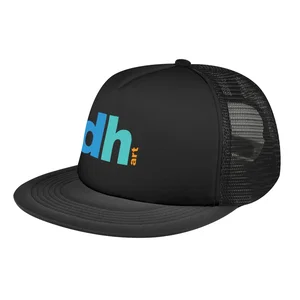
Yes, a trucker hat is usually structured. The front panel has a stiff backing so it stands up, while the back is mesh for airflow. That firm, tall front makes a trucker hat a strong base for a bold logo, which is why it is so popular for crews, events and giveaways. The same goes for a snapback, which is also usually structured.
Can You Make an Unstructured Hat Structured?
No, you cannot turn an unstructured hat into a structured one, because the backing is built into the cap when it is made. A structured cap has the stiff layer sewn in behind the front panels. An unstructured cap simply does not have one.
We do not recommend home stiffening tricks. They tend to leave the cap uneven or stiff in the wrong places and can damage the fabric. If you want a structured look, choose a structured cap from the start.
Which Hat Is Better for Embroidery?
A structured hat is better for large, bold or detailed embroidery, because the stiff front holds the fabric flat while it is stitched. An unstructured cap still takes embroidery well when the logo is compact and simple. Match the size of the design to the cap and both types will look good. If your logo is detailed and you want a soft cap, a woven or leatherette patch is a good middle path.
Do Structured Hats Fit Bigger Heads Better?
Not necessarily, because fit depends more on crown height and profile than on whether a cap is structured. A structured cap with a higher profile gives more room at the crown, which some people with larger heads find comfortable. A soft, unstructured cap can also feel roomy because it relaxes and adjusts. Most promotional caps have an adjustable closure so one size suits many wearers. For the full picture, read our hat size chart, which also explains what OS means on a size label.
Ready to put your logo on the right cap? Tell us your crowd and we will help you choose.
Shop Related Categories
Share this post with your team
Send it to a colleague or save it for later.
Related Articles
Hat Sizes: How to Measure Your Head, a Full Hat Size Chart and What OS Means
A plain-English guide to hat sizes: how to measure your head in one minute, a full hat size chart in inches and centimeters, what OS means on a size label, and how to size hats for a group.
Types of Pens: How to Pick the Right One for Every Job (With a Free Cheat Sheet)
A chooser, not an encyclopedia: which pen to buy or hand out for each job, how pen tips and inks differ, head-to-head verdicts, left-handed tips and a free printable pen picker.
T-Shirt Size Chart: How to Measure and How Many of Each Size to Order
A T-shirt size chart with real chest and length measurements for two blank tees, a two-minute way to measure a shirt, and a paper worksheet for how many of each size to order for a group.

Custom Keychain Ideas: Materials, Styles & Bulk Buying
Custom keychain ideas for bulk brand giveaways: compare metal, leather, acrylic and silicone, weigh engraving against printing, and learn the minimums, costs, and lead times for ordering branded keychains in volume.