
The History of Fanny Packs in the USA





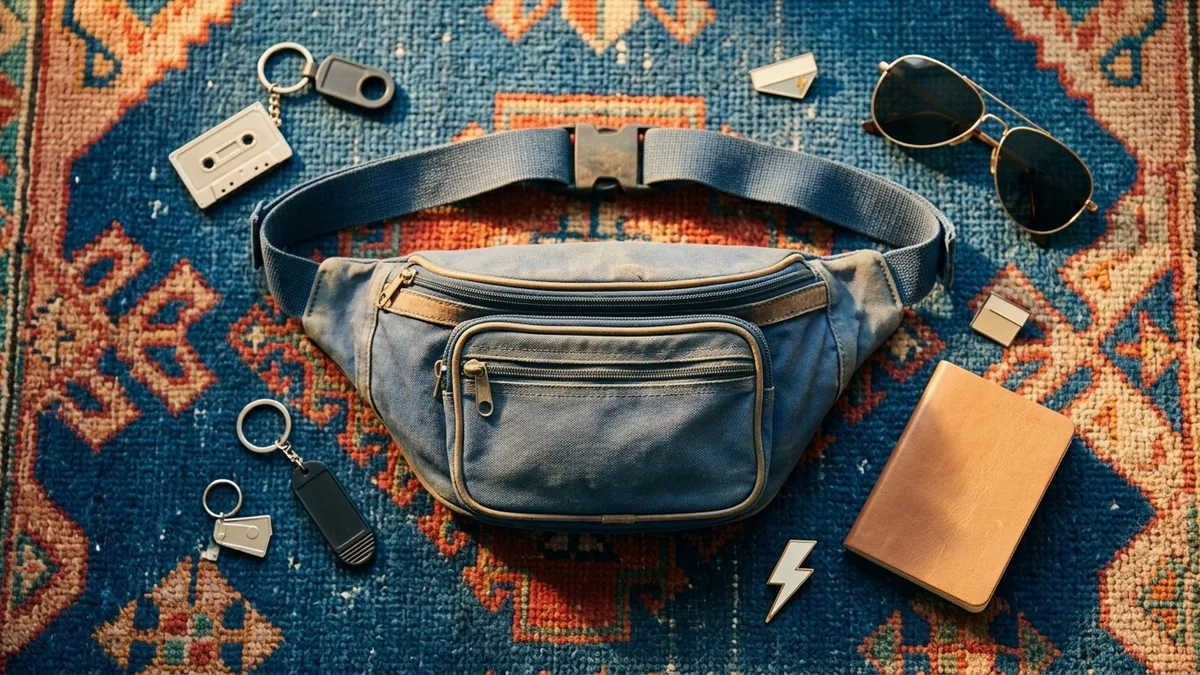
The fanny pack has traveled a long way through American culture: from ancient utility pouches to 1980s fashion statements, through years of ridicule, and back to everyday wear. That history also explains why custom fanny packs work so well as branded giveaways, a point we return to at Promotional Product Inc. in the final sections.
Shop Custom Fanny Packs
View all fanny packs →
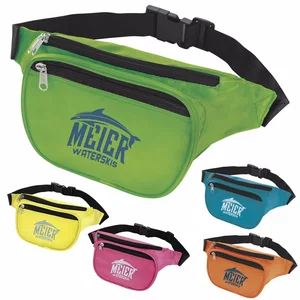
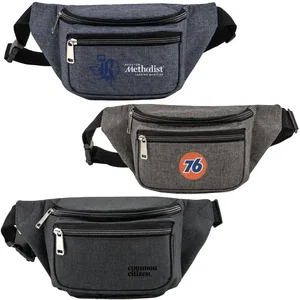
When Were Fanny Packs Invented?
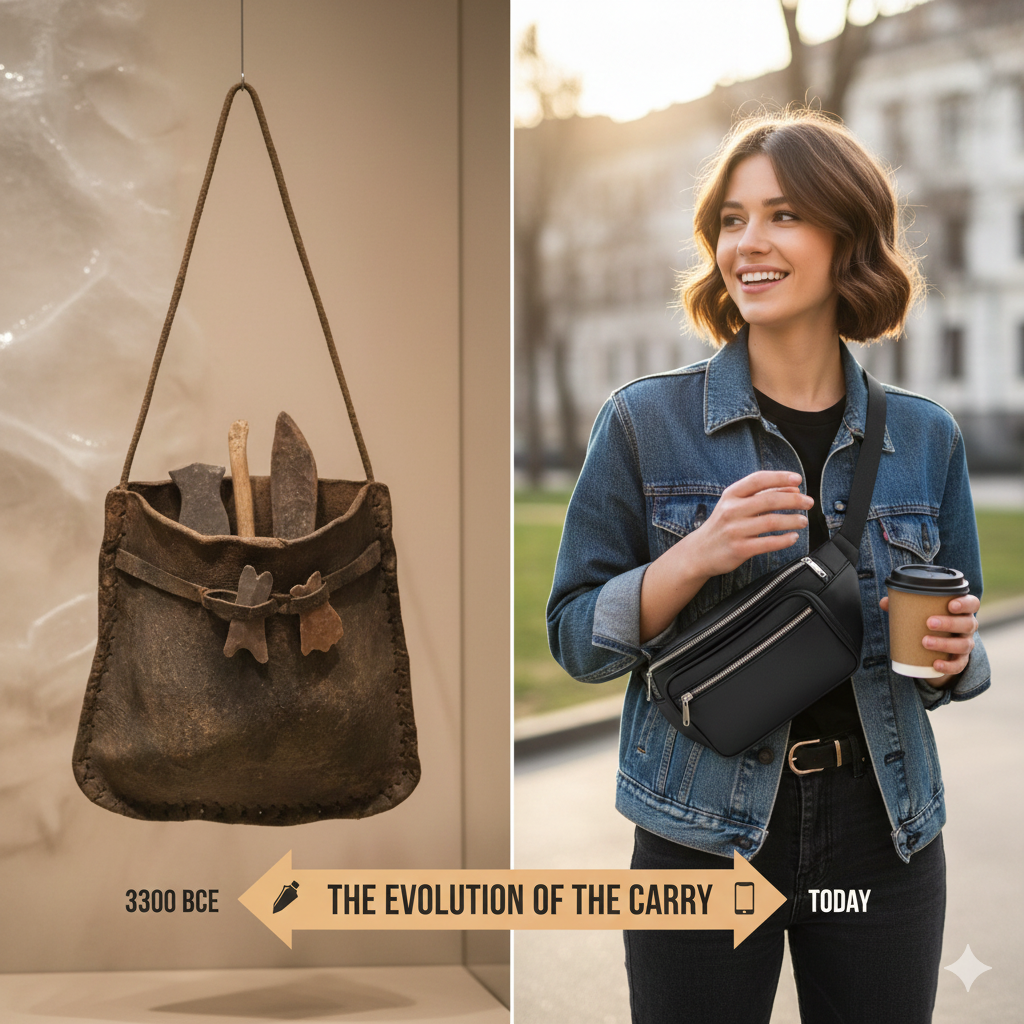
The short answer depends on what you mean by "invented." The concept of a belt-mounted pouch is ancient. Ötzi the Iceman wore one over 5,000 years ago (more on that below). The modern American fanny pack as a recognizable product dates to the mid-20th century, and its first documented U.S. appearance is 1954. It then evolved from a niche outdoor accessory into a cultural phenomenon over the following three decades.
Why Is a Fanny Pack Called a Fanny Pack?
The name is purely descriptive of where the pouch was first worn. Because "fanny" means something different in British English, the U.K. adopted "bum bag" instead, and the accessory picked up its own nickname in nearly every market it reached. Today many shoppers and brands sidestep the word entirely by calling it a "belt bag" or "waist bag," especially for fashion and luxury versions.
This comprehensive guide continues with the full timeline below: from ancient utility pouches to the modern belt-bag boom.
What Fanny Packs Are Called Around the World
The "fanny pack" label is uniquely American. Almost every market that adopted the waist pouch coined its own name, often a vivid one. Here is how the same accessory translates across the globe:
| Region | Local name | Literal translation |
|---|---|---|
| United States | Fanny pack | Pouch worn over the "fanny" (rear) |
| United Kingdom & Australia | Bum bag | Bag worn over the bum |
| France | Banane | "Banana" (named for its curved shape) |
| Spain | Riñonera | "Kidney" bag (sits over the kidneys) |
| Germany | Bauchtasche / Gürteltasche | "Belly bag" / "belt bag" |
| South Africa | Moon bag | Regional coinage (no literal translation) |
| Poland | Nerka | "Kidney" |
Sources for the local terms: Oxford and Collins English dictionaries (UK "bum bag"), Larousse (French banane), the Real Academia Española dictionary (Spanish riñonera), and Duden (German Bauchtasche).
Why Is It Called a Bum Bag in the UK?
The split is purely linguistic. American English softened "fanny" into a child-friendly word for the backside, so naming a bag after it raised no eyebrows. British English never lost the word's anatomical, off-colour sense, so "fanny pack" sounds shocking to UK ears, and "bum bag" became the polite, commercially viable alternative.
Etymology: Where the Word "Fanny" Actually Comes From
The origin of "fanny" is genuinely uncertain. Lexicographers trace the buttocks sense to roughly the 18th and 19th centuries, but its exact source is debated. One popular (though unproven) theory links it to Fanny Hill, the heroine of John Cleland's 1748 novel Memoirs of a Woman of Pleasure. What is clear is that the word drifted in opposite directions across the Atlantic: in American usage it became a tame term for the rear, while in British usage it kept, and sharpened, a vulgar anatomical meaning. That divergence is the entire reason the United States happily sells "fanny packs" while Britain deliberately chose "bum bag." When the accessory went luxury in the 2010s, designers sidestepped the problem altogether with the neutral "belt bag."
At-a-Glance Fanny Pack Timeline (3300 BCE to 2026)
- ~3300 BCE: Ötzi the Iceman dies carrying a leather pouch of flint tools; his 5,300-year-old remains were found in an Alpine glacier in 1991 (Mental Floss).
- 1954: Sports Illustrated runs an advertisement for a leather pouch for cross-country skiers (Mental Floss), the first documented U.S. appearance.
- 1962: Australian widow Melba Stone is widely (if unverifiably) credited with a kangaroo-pouch-inspired design.
- 1988: Adweek names the fanny pack the "Hottest Product of the Year" (MEL Magazine) at the peak of the 1980s craze.
- Mid-1990s: Overexposure and corporate giveaways turn the bag into a punchline, and it falls out of fashion.
- Mid-2010s onward: Louis Vuitton, Gucci, and Prada relaunch the style as the luxury "belt bag."
- 2018: Fanny packs account for nearly 25 percent of U.S. accessory sales growth in the first 10 months of the year, according to The NPD Group (TODAY).
- 2020s–2026: The belt bag is now a wardrobe norm across genders and a staple of festival, travel, and promotional-product lineups.
Ancient Roots: Fanny Packs Before America
The 5,000-Year History of Waist-Worn Pouches
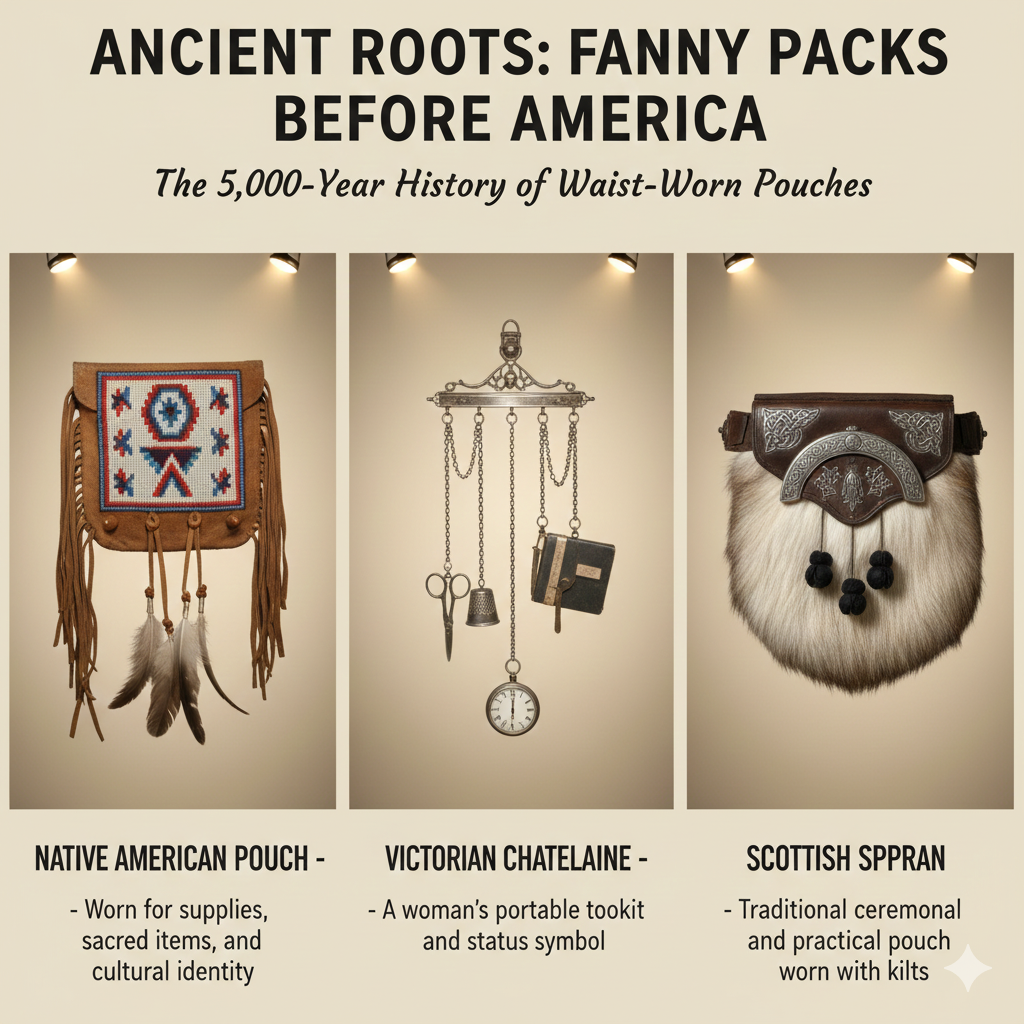
While fanny packs became synonymous with 1980s American culture, the concept of waist-worn storage dates back over five millennia. The earliest known example comes from Ötzi the Iceman, a 5,300-year-old mummy found preserved in a glacier in 1991, who carried a leather satchel holding a sharpened piece of bone and flint-stone tools (Mental Floss). Hands-free storage, in other words, is very old.
Ancient Egyptian hieroglyphs also depict pouches worn around the waist, demonstrating that early civilizations worldwide recognized the practicality of belt-mounted storage. These weren't fashion statements; they were survival tools that kept essential items accessible while leaving hands free for work, travel, or defense.
Native American and Cultural Traditions
In pre-colonial America, Native American tribes used buffalo pouches worn on belts instead of sewing pockets into clothing. These leather pouches served as both practical storage and cultural artifacts, often decorated with meaningful symbols and designs. Similarly, Scottish sporrans (the pouches worn with kilts) and various other cultural accessories worldwide share the same fundamental concept: secure, accessible, hands-free storage.
The Victorian and Edwardian eras brought chatelaines: elaborate devices that attached multiple useful objects to women's dresses like customized Swiss Army knives. Seamstresses carried stitching tools, nurses held medical equipment, and wealthy women displayed luxury status items such as watches and fans. These accessories demonstrated that waist-worn utility transcended gender and social class.
The Modern Fanny Pack Emerges in America
1954: The Sports Illustrated Debut
The modern fanny pack made its first documented American appearance in a 1954 Sports Illustrated advertisement. As quoted by MEL Magazine, the ad described a "lightweight leather 'fanny pack'" designed "to hold a cross-country skier's wax and lunch" and "also useful for cyclists, hikers, equestrians."
This early incarnation established the fanny pack's identity as a practical outdoor sports accessory, a reputation that would define it for the next several decades. The compact, hands-free design proved ideal for activities requiring mobility and quick access to essentials.
1962: The Kangaroo-Inspired Design
According to widespread reports, Australian widow Melba Stone created a fanny pack inspired by kangaroo pouches in 1962. A MEL Magazine writer found no verifiable evidence for the story and asked Glynis Traill-Nash, fashion editor of The Australian, who could not guarantee Stone never existed but said "I'm calling BS on this one," so treat it as folklore. Whether or not Stone's kangaroo-inspired design was the true genesis, the concept resonated with the hands-free storage needs of active individuals.
The name "fanny pack" itself derives from American slang for buttocks, as these bags were originally designed to be worn with the pouch positioned over the rear. (Interestingly, British English speakers prefer "bum bag," while the term takes on different meanings globally: from "banana bags" in France to "kidney bags" in Spain and Poland.)
If you're shopping the modern version today, our companion guide on how to wear a fanny pack walks through the waist, crossbody, and sling styles that came out of this history.
When Did Fanny Packs Become Popular?
The 1980s Explosion: Fanny Packs Dominate America
The Athleisure Revolution
The early 1980s saw the first wave of "athleisure" fashion, where gym and sports clothing entered mainstream everyday wear. Sweatpants, track suits, leg warmers, and bicycling sneakers made the transition from functional athletic gear to street fashion, and fanny packs rode this wave into ubiquity.
Fashion historian Jennifer Grayer Moore explains that this shift reflected changing American lifestyles. Fitness culture exploded during the 1980s, with aerobics classes, jogging, and health consciousness becoming central to middle-class identity. People needed a convenient way to carry essentials during these activities, and the lightweight nylon fanny pack fit the need.
1988: "Hottest Product of the Year"

In 1988, Adweek named the fanny pack the "Hottest Product of the Year" (MEL Magazine). This marked the peak of fanny pack cultural penetration in the United States.
High-end fashion houses joined the trend. Chanel advertisements featured supermodel Claudia Schiffer wearing fanny packs, while Gucci and Nike marketed both decorative and utilitarian versions. The fanny pack appeared on television shows like "Saved By the Bell," "90210," and "The Cosby Show," where hip young characters sported them as fashionable accessories.
Celebrities embraced the trend enthusiastically. Wrestlers like Hulk Hogan made fanny packs part of their signature looks, while The Rock's infamous fanny pack photo became a cultural touchstone (which he gamely recreated years later on Saturday Night Live).
Neon Ubiquity and Mass Market Saturation
By the late 1980s and early 1990s, fanny packs were everywhere in America, and almost exclusively in neon colors. Made from durable nylon and synthetic materials, these bags became affordable, accessible, and seemingly essential for:
- Tourists visiting theme parks and attractions
- Parents managing kids' supplies during family outings
- Students carrying supplies between classes
- Travelers securing valuables at airports and hotels
- Event attendees at concerts, festivals, and sporting events
The fanny pack's small size made it easy to carry essentials like car keys, lip gloss, gum, wallets, and sunglasses, without the bulk of a purse or backpack. You could keep valuables secure and visible while maintaining complete hands-free mobility.
The Licensing Boom
Fanny packs became popular licensed products because they were cheap to manufacture, genuinely useful, and provided excellent surface area for logos and branding. Companies like Kodak and Camel cigarettes distributed branded fanny packs widely. Entertainment properties from the era (The Simpsons, ALF, Game Boy, New Kids on the Block, and Teenage Mutant Ninja Turtles) all had fanny pack merchandise.
The same logic still applies: a fanny pack gives a logo a flat, visible panel that gets worn in public.
Why Did Fanny Packs Go Out of Style in the 1990s?
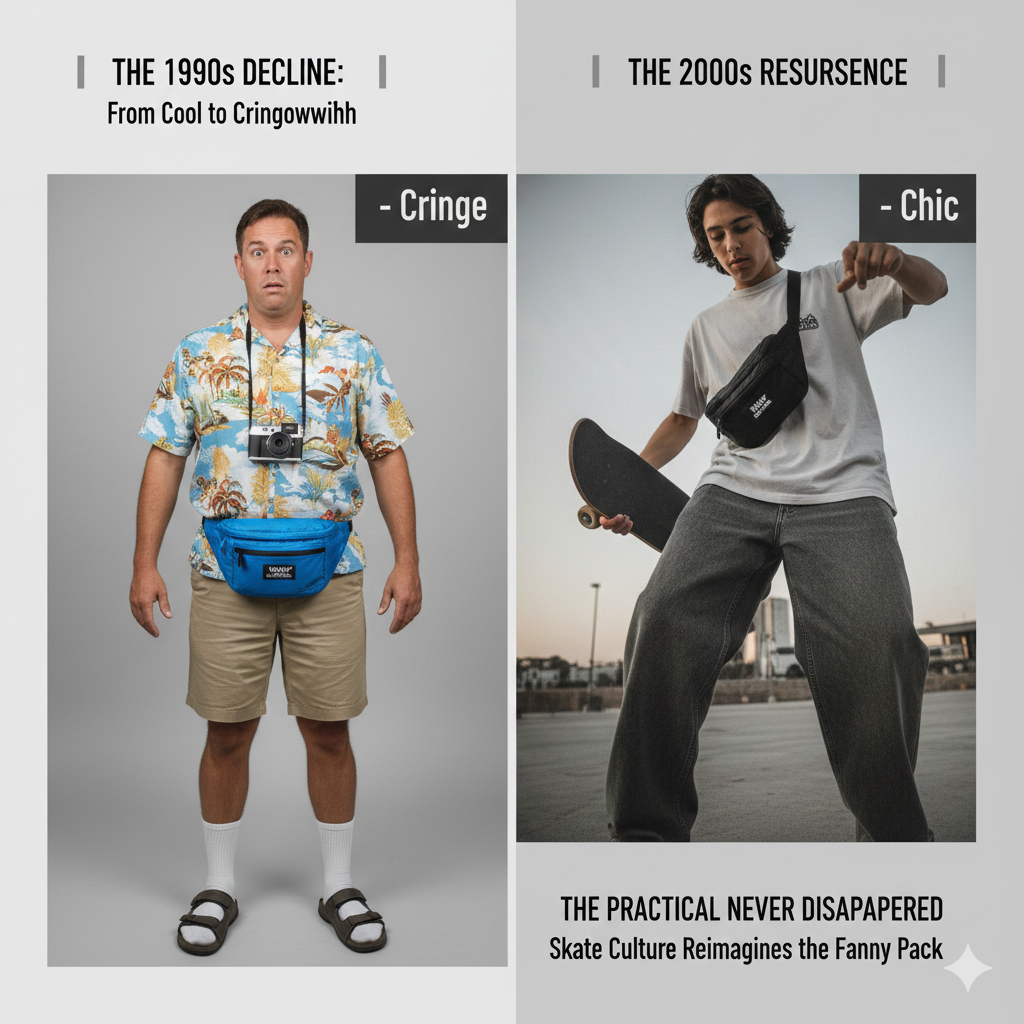
Fanny packs went out of style because overexposure, especially cheap logo-covered giveaways, turned them from a trend into a cliché.
Overexposure and Corporate Commodification
The very factors that made fanny packs ubiquitous in the 1980s contributed to their downfall in the 1990s. As fashion historian Jennifer Grayer Moore told MEL Magazine, cheap, logo-covered promotional versions from companies like Kodak and Camel helped bring the accessory down.
Marketing departments at sports arenas, beer companies, and corporations gave away branded fanny packs by the thousands. These mass-produced promotional items, while excellent for brand visibility, created market saturation. The fanny pack transitioned from trendy accessory to cliché corporate giveaway.
By the late 1990s and early 2000s, wearing a fanny pack invited mockery. The accessory became associated with unfashionable tourists, suburban dads, and outdated 1980s excess. Pop culture began treating fanny packs as punchlines rather than practical accessories.
The Practical Never Disappeared
Despite falling out of fashion, fanny packs never truly disappeared from American retail. Major retailers like Kmart continued stocking them because their core users (outdoor enthusiasts, travelers, and practical-minded consumers) recognized their genuine utility.
Skateboarders adapted the concept into "skater bags," essentially fanny packs worn slung across the shoulders. Influential streetwear brand Supreme produced these early in its rise to dominance, demonstrating that the hands-free storage concept remained valuable even when the traditional waist-worn style was unfashionable. The same hands-free logic also kept related carry styles (like our drawstring bags and compact bags and totes) popular at events throughout the decade.
The fundamental practicality never changed: fanny packs provided convenient, accessible, secure storage. They just needed time for the fashion cycle to turn.
When Did Fanny Packs Come Back in Style?
Fanny packs came back in the mid-2010s, when luxury houses relaunched them as "belt bags" and celebrities wore them.
High Fashion Leads the Comeback
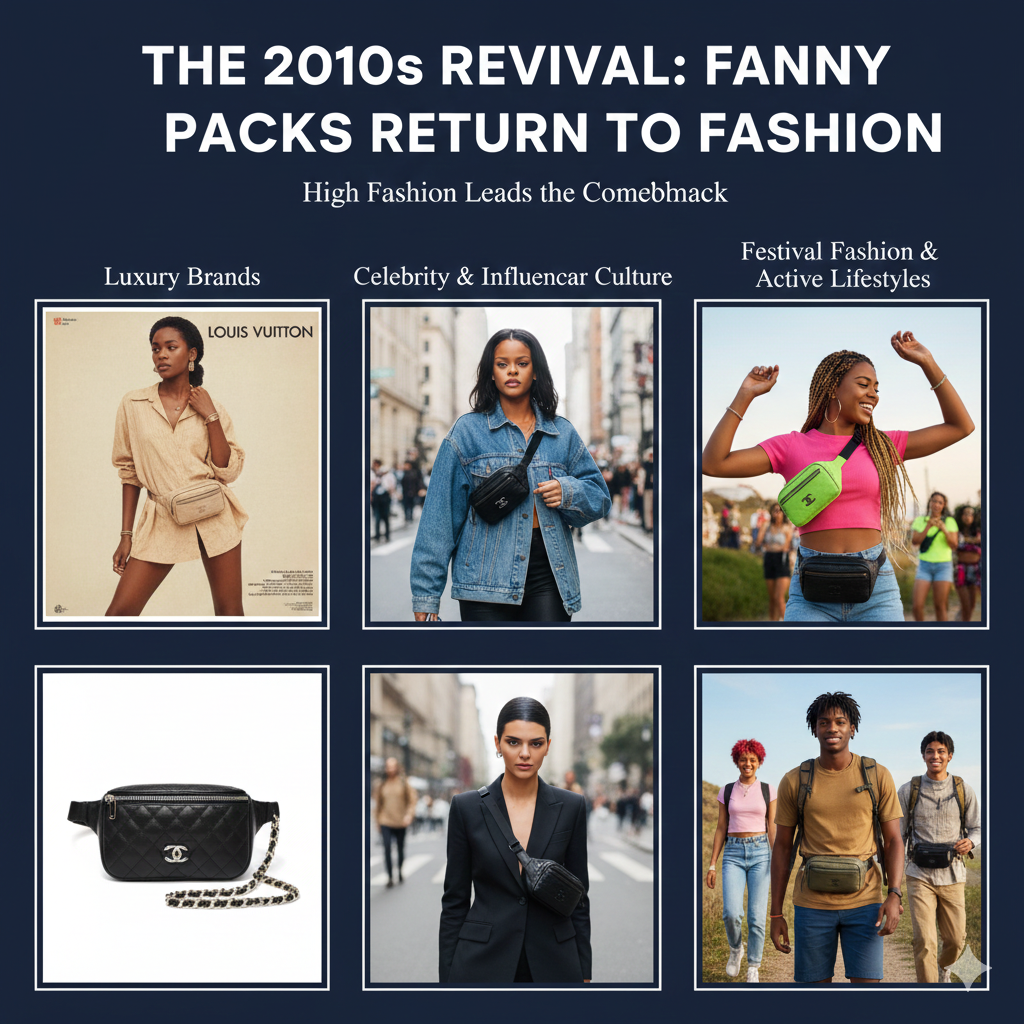
The fanny pack's resurrection began in high fashion circles during the mid-2010s. Luxury brands like Louis Vuitton, Gucci, Alexander Wang, and Prada reimagined the fanny pack as the "belt bag," a more sophisticated name that distanced the accessory from its 1990s baggage.
These high-end versions used materials like leather and suede with minimalist designs and luxury price tags. Louis Vuitton's mink fanny pack became a status symbol, while Chanel's quilted leather versions appealed to fashion-forward consumers seeking both style and function.
The rebranding succeeded brilliantly. By calling them "belt bags" or "waist bags" instead of "fanny packs," designers sidestepped the accessory's uncool reputation while capitalizing on its inherent practicality.
Celebrity Endorsement and Influencer Culture
Celebrities and fashion influencers embraced the revived fanny pack with enthusiasm. Kendall Jenner, Bella Hadid, Rihanna, and A$AP Rocky were photographed wearing fanny packs, which significantly raised their status as trendy accessories.
Instagram influencers featured fanny packs in everyday outfits, travel scenarios, and luxury fashion contexts. This social media visibility introduced the accessory to younger demographics, particularly Millennials and Gen Z, who had no negative associations with 1990s fanny pack culture.
The crossbody wearing style became popular, where the fanny pack strap crosses the torso with the pouch positioned on the hip or chest. This "cool explorer" aesthetic differentiated the modern fanny pack from the waist-worn "dorky dad" stereotype. The '90s waist-bag has been completely reinvented. See our modern fanny pack styling tips for the waist, hip, and crossbody looks people actually wear now.
Festival Fashion and Active Lifestyles
Music festivals played a crucial role in the fanny pack's American revival. Events like Coachella, Bonnaroo, and Lollapalooza attracted attendees who valued hands-free convenience for carrying essentials like phones, wallets, sunscreen, and water bottles during long festival days.
Festival fashion tends toward extravagant, attention-grabbing outfits where practicality meets self-expression, making fanny packs ideal accessories. The vibrant colors, patterns, and designs aligned perfectly with festival aesthetics while solving genuine logistical problems.
Fanny Pack vs Belt Bag vs Waist Bag vs Sling vs Bum Bag
These five terms cause endless confusion, but they all describe the same core item: a small zippered pouch on an adjustable strap. The differences are mostly branding and wear style, not construction:
- Fanny pack: the original American name; connotes the casual, waist-worn 1980s–90s version.
- Belt bag: a deliberate mid-2010s marketing rebrand by luxury houses to shed the "fanny pack" stigma; implies a more polished, fashion-forward piece.
- Waist bag: a neutral, descriptive term favoured by sportswear and outdoor brands.
- Sling bag: typically worn crossbody over one shoulder and across the chest rather than at the waist.
- Bum bag: the standard British and Australian term (see above).
In short, "belt bag" and "waist bag" are the polite, modern rebrands; "sling" signals crossbody wear; and "fanny pack" and "bum bag" are the same thing in two dialects. The "belt bag" relabel in particular was a calculated marketing move: same product, pricier positioning.
Fanny Packs in Today's American Market
How Big Was the Fanny Pack Comeback?
The comeback showed up clearly in sales data from The NPD Group:
- Fanny packs represented just one per cent of fashion accessories sales while generating nearly a quarter of the industry's growth in the first 10 months of 2018, according to the NPD Group (FashionNetwork).
- Fanny packs accounted for nearly 25 percent of accessory sales growth in the first 10 months of 2018, a period when overall fashion accessory sales grew 4 percent (TODAY).
In other words, a small category was doing an outsized share of the work.
Why Americans Love Modern Fanny Packs
Several factors drive continued fanny pack popularity in the United States:
- Hands-Free Convenience Modern life requires carrying more items than ever: smartphones, wireless earbuds, power banks, credit cards, keys, sanitizer. Fanny packs provide organized, accessible storage without occupying your hands or weighing down pockets.
- Security and Visibility Unlike backpacks, fanny packs keep belongings in front where you can see them, reducing theft risk. For travelers and urban dwellers concerned about pickpockets, this visibility provides peace of mind.
- Style Versatility Today's fanny packs range from sporty athletic designs to luxury fashion statements. Consumers can choose styles that match their personal aesthetics, whether minimalist leather for professional settings or bold patterns for casual wear.
- Unisex Appeal Unlike purses or traditional gendered accessories, fanny packs work for all genders. Men particularly appreciate having a socially acceptable way to carry essentials without resorting to cargo pants or uncomfortable overstuffed pockets.
- Activity-Specific Designs Manufacturers now produce specialized fanny packs for specific activities: running belts for marathoners, waterproof versions for beach-goers, RFID-blocking models for international travelers, and tactical designs for outdoor enthusiasts.
Material Innovation and Sustainability
Many buyers now look for lower-impact materials, and fanny pack makers offer options such as:
- Recycled materials including repurposed plastic bottles and reclaimed fabrics
- Organic cotton and hemp for environmentally conscious shoppers
- Vegan leather alternatives that eliminate animal products
- Durable construction designed to last for years rather than seasons

For businesses whose merchandise needs to match environmental commitments, eco-minded styles like the All-around Adaptive RPET Fanny Pack, made from recycled plastic bottles, and the Recycled rPET Fanny Pack put that material innovation to work for branded campaigns.
Fanny Packs as Promotional Products in America
Why Custom Fanny Packs Excel for Brand Marketing
The same qualities that make fanny packs popular with consumers make them exceptional promotional products:
- Extended Brand Exposure A well-made fanny pack gets worn repeatedly, so the logo keeps appearing in public long after the event.
- High Perceived Value Consumers appreciate receiving useful, practical items. A well-made fanny pack feels like a genuine gift rather than cheap swag, creating positive brand associations.
- Excellent Imprint Space The large, flat surface area accommodates prominent logos, messaging, and even full-color designs. Your brand becomes impossible to miss when recipients wear their fanny packs.
- Demographic Versatility Custom fanny packs appeal to diverse audiences (students, travelers, outdoor enthusiasts, festival attendees, sports fans, families, and professionals) making them suitable for virtually any target market.
Industry Applications for Branded Fanny Packs
Businesses across industries leverage custom fanny packs for marketing success:
- Travel and Tourism: Hotels, airlines, and travel agencies distribute branded fanny packs that recipients actually use during vacations, creating brand visibility in photos and tourist destinations worldwide.
- Educational Institutions: Universities provide custom fanny packs at orientation, campus events, and graduation, creating school spirit while offering students practical storage for campus life.
- Sports and Fitness: Gyms, athletic brands, and sporting events give away performance-focused fanny packs that align with active lifestyles and health-conscious values.
- Corporate Events: Companies use leather or recycled-fabric fanny packs as employee gifts, conference giveaways, and client appreciation items that demonstrate thoughtfulness beyond generic promotional products.
- Music Festivals and Entertainment: Event organizers create limited-edition custom fanny packs that become collectible souvenirs while serving practical purposes during the event.

Budget-conscious organizers planning large giveaways can read our breakdown of how to buy bulk promotional fanny packs with no hidden fees, while crowd-pleasing classics like the Branded Fanny Pack remain reliable workhorses for trade shows and festivals.
For teams weighing fanny packs against other carry-style swag, our guides to duffel and gym bags and full-size travel bags and luggage sets help match the format to the audience.
Frequently asked questions
Who Invented the Fanny Pack?
No single inventor is documented. Waist pouches are over 5,000 years old, and the modern fanny pack first appeared in a 1954 Sports Illustrated advertisement. Australian widow Melba Stone is often credited with a 1962 kangaroo-inspired version, but the claim was never patented and is disputed by fashion historians.
What's the Difference Between a Fanny Pack and a Bum Bag?
There is no physical difference. They are the identical accessory under two names. "Fanny pack" is the American term, while "bum bag" is standard in the United Kingdom and Australia, where "fanny" carries a vulgar meaning. Modern fashion brands frequently rebrand both as the "belt bag."
When Were Fanny Packs Most Popular?
Fanny packs were most popular in the late 1980s, and Adweek named them the "Hottest Product of the Year" in 1988. They slumped through the 1990s and 2000s before the 2010s belt-bag revival.
Are Fanny Packs Good Promotional Products?
Yes, because people wear them in public, which keeps a logo visible. They suit festivals, travel programs, campus events, and fitness brands, and recycled-material styles fit sustainability goals.
Are Fanny Packs Still in Style?
Yes. As of 2026 the fanny pack, now widely sold as the "belt bag," remains a mainstream, year-round accessory worn across genders for travel, festivals, and everyday errands. After luxury houses revived it in the 2010s, it shed its "dorky" reputation; our styling guide and care guide cover wearing and maintaining one.
Sources & References
- Mental Floss, "The Rise, Fall, and Resurgence of the Fanny Pack": the 1954 Sports Illustrated advertisement for a leather pouch and Ötzi's 5,300-year-old satchel.
- MEL Magazine, "The Cultural History of the Fanny Pack": Adweek's 1988 "Hottest Product of the Year," the wording of the 1954 ad, the Melba Stone story, and Jennifer Grayer Moore's commentary on the decline.
- TODAY and FashionNetwork: The NPD Group data on fanny packs' share of 2018 accessory sales and growth.
- Jennifer Grayer Moore, fashion historian and author of Fashion Fads Through American History.
Conclusion: From Ancient Utility to Modern Marketing Power
The fanny pack's journey through American culture (from practical outdoor accessory to fashion phenomenon, through years of ridicule, and back to must-have status) demonstrates the cyclical nature of trends and the enduring value of genuine utility. What began as a 5,000-year-old solution for hands-free storage has become an everyday accessory again. That resurgence is exactly why brands now reach for today's promotional fanny packs as giveaways.
For businesses choosing promotional products, custom fanny packs combine practical use with repeated brand exposure, broad appeal, and plenty of customization options. The 2018 sales data shows people were actively buying them, which is the whole point of a branded giveaway.
From planning a corporate event to launching a marketing campaign or seeking employee appreciation gifts, custom fanny packs combine fashion, function, and brand visibility. And once recipients start wearing them daily, a quick read on how to care for fanny packs helps your branded bags, and your brand impressions, last for years.
Ready to put your logo on a comeback accessory?
Ready to create custom branded fanny packs for your business? Contact our team at (888) 212-5501 or browse our selection of customizable fanny packs at PromotionalProductInc.com. We offer free design proofs, competitive pricing, and expert guidance to help you choose the right style for your marketing goals.

Shop Related Categories
Share this post with your team
Send it to a colleague or save it for later.
Related Articles

Hat Sizes: How to Measure Your Head, a Full Hat Size Chart and What OS Means
A plain-English guide to hat sizes: how to measure your head in one minute, a full hat size chart in inches and centimeters, what OS means on a size label, and how to size hats for a group.
Structured vs Unstructured Hats: The Difference, and Which Cap to Choose
A structured cap stands up on its own and an unstructured cap relaxes and lies flat. Here is how each looks, fits and takes a logo, with a one-minute chooser and a free printable.
Types of Pens: How to Pick the Right One for Every Job (With a Free Cheat Sheet)
A chooser, not an encyclopedia: which pen to buy or hand out for each job, how pen tips and inks differ, head-to-head verdicts, left-handed tips and a free printable pen picker.
T-Shirt Size Chart: How to Measure and How Many of Each Size to Order
A T-shirt size chart with real chest and length measurements for two blank tees, a two-minute way to measure a shirt, and a paper worksheet for how many of each size to order for a group.