
Domestic Violence Awareness Month: Dates, Purple & Help


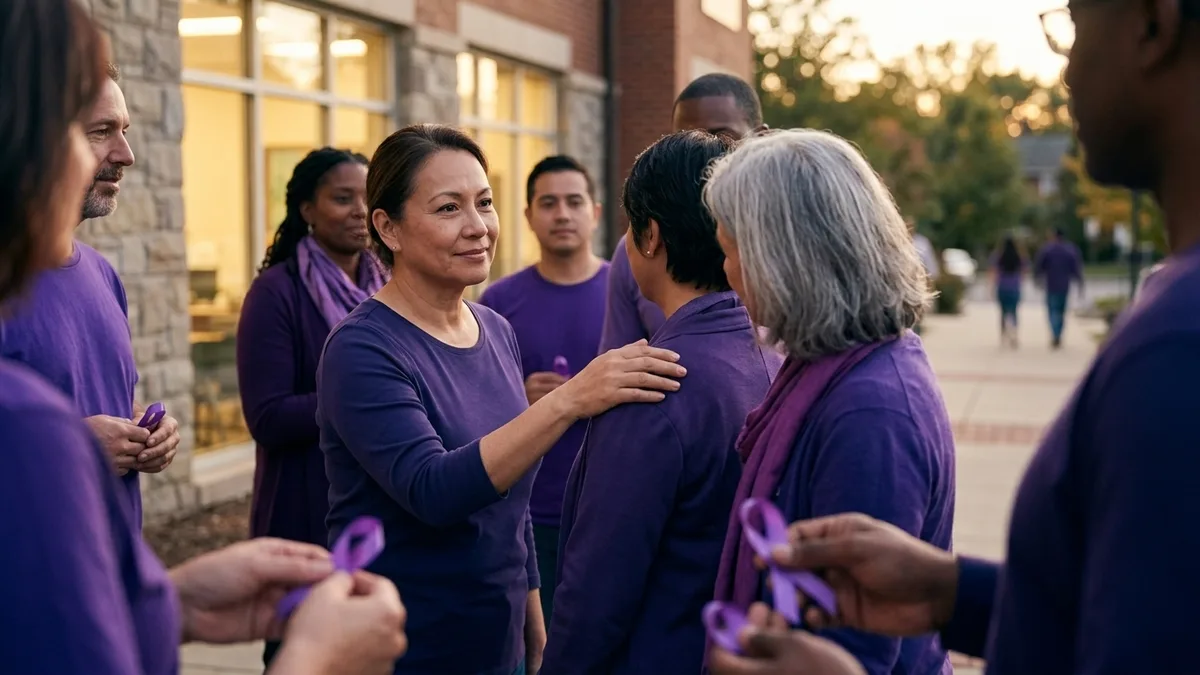
Domestic Violence Awareness Month (DVAM) is observed every October in the United States, and its color is purple. Each October, businesses, schools, nonprofits, and government agencies turn purple to honor survivors, remember those lost, and connect the advocates working to end intimate-partner violence.
For organizations planning a campaign, fundraiser, or workplace observance, this guide covers everything you need: the dates, the history behind the month, why the awareness color is purple, what Purple Thursday is, and practical ways to show support, with bulk custom products that turn supporters into a visible movement.
Custom Purple Awareness Wristbands
View all →




When Is Domestic Violence Awareness Month?
Domestic Violence Awareness Month takes place during the entire month of October each year. Because it shares the calendar with Breast Cancer Awareness Month, October carries two major awareness colors at once: purple for domestic violence and pink for breast cancer. Planning ahead matters. Both causes compete for media attention and supporter dollars in the same four weeks.
| Date | What it marks |
|---|---|
| October (full month) | National Domestic Violence Awareness Month |
| Third Thursday of October | Purple Thursday / Wear Purple Day |
| October (co-observance) | Breast Cancer Awareness Month: see our complete guide to pink awareness ribbons |
What Is the History of Domestic Violence Awareness Month?
The observance has clear roots. According to the National Domestic Violence Hotline, Domestic Violence Awareness Month was first observed in October 1981 as a national "Day of Unity." The day was organized by the National Coalition Against Domestic Violence (NCADV) to unite advocates across the country working to end violence against women and children.
That single day of solidarity grew into a week, and then into a nationally observed month. In 1989, the U.S. Congress passed Public Law 101-112, a joint resolution designating October 1989 as "National Domestic Violence Awareness Month," and Congress has continued to recognize October as DVAM in the years since.
- 1981: First "Day of Unity" held in October, organized by NCADV.
- Late 1980s: The Day of Unity grew into a week and then a full month of awareness activities.
- 1989: Congress passes Public Law 101-112, designating October as National Domestic Violence Awareness Month.
Understanding the scale of the issue is part of why the month exists. According to the CDC, citing its National Intimate Partner and Sexual Violence Survey (2023/2024), more than 1 in 3 women (nearly 43.5 million) and more than 1 in 6 men (20.7 million) in the U.S. experienced contact sexual violence, physical violence, and/or stalking by an intimate partner during their lifetimes. The same survey found that nearly 1 in 3 women and about 1 in 8 men experienced that violence and at least one related impact. Numbers like these are why DVAM remains a national priority, and why visible, community-wide support matters.
What Does the Purple Ribbon Mean?
The purple ribbon is how supporters signal solidarity with survivors. Purple was selected for the very first Day of Unity in October 1981, and it has carried the cause ever since. Our deeper dive into what the purple ribbon means traces the full range of causes it represents. The color was chosen to symbolize a set of values that still anchor the movement today:
| What purple represents | In the context of DVAM |
|---|---|
| Peace | A future free of intimate-partner violence |
| Courage | The bravery it takes for survivors to come forward |
| Survival | Honoring those who have lived through abuse |
| Honor | Remembering those whose lives were lost |
| Dedication | The ongoing work of advocates and allies |
Because purple also represents other causes throughout the year, context is everything. During October, a purple ribbon, wristband, or pin reads clearly as support for domestic violence awareness. Other cause colors carry their own crossover meanings: for instance, what the orange ribbon stands for spans several different movements. For the full picture of how colors map to causes, see our awareness ribbon colors guide.
What Is Purple Thursday (Wear Purple Day)?
Purple Thursday is the signature day of action within DVAM. Held on the third Thursday of October, it invites everyone (coworkers, students, congregations, entire towns) to wear purple as a simple, visible show of support for survivors.
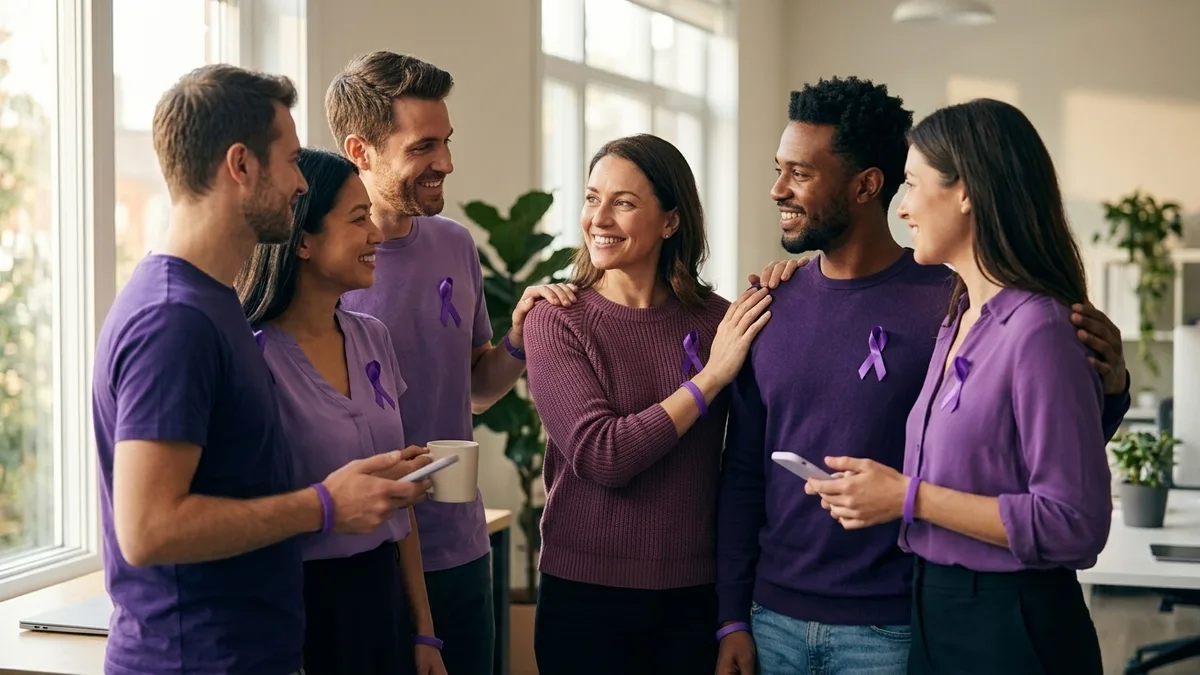
For organizations, Purple Thursday is the easiest possible entry point: there's no fundraising minimum and no complex logistics. Set a date around the third Thursday of October, make it easy to join by handing out purple awareness wristbands or pins so no one is left out, and capture and share the day, since a team photo in purple amplifies the message on social media and shows your community where you stand. A single email asking everyone to wear purple, paired with branded wristbands or t-shirts, can turn an ordinary workday into a meaningful, photo-worthy moment of solidarity.
Why Is the Domestic Violence Awareness Color Purple?
If you take away one thing for your campaign, make it this: the domestic violence awareness color is purple. Matching your materials to that official color is what makes a campaign instantly recognizable. When supporters see purple ribbons in October, the meaning is understood without a word of explanation.
For bulk buyers, that consistency is practical too. Ordering wristbands, shirts, pins, and custom purple ribbons in a single coordinated purple keeps your event looking unified, from a small office observance to a large community walk. October's other cause, breast cancer, owns pink; keep your purple distinct so the two don't blur on shared event days.
How Can Organizations Show Support?
Many organizations build a year-round calendar of cause campaigns: from April's autism awareness observance to October's purple push for domestic violence. There's a participation level for every budget and team size. Here are proven ideas for businesses, schools, and nonprofits:
- Run a Purple Thursday drive: get everyone in purple on the third Thursday and document it.
- Fundraise for a local shelter: sell purple wristbands or pins at cost-plus and donate the margin. (For a step-by-step playbook, see our custom mug fundraising strategy.)
- Host an awareness walk or 5K: outfit participants in matching purple t-shirts and ribbons.
- Educate, don't just decorate: pair products with hotline information and resources so the message reaches people who need help.
- Coordinate with co-October causes: many organizations run purple and pink side by side; our pink ribbon guide helps you plan both.
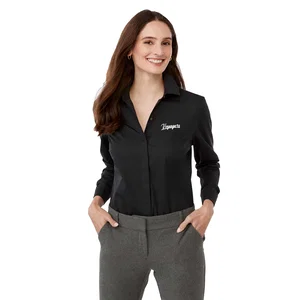
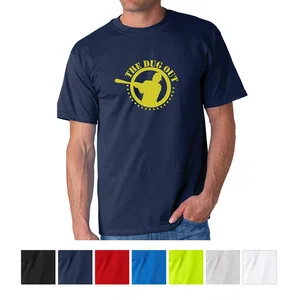
Awareness campaigns extend far beyond ribbons. Custom t-shirts, wristbands, pins, and tote bags in purple turn every supporter into a visible advocate and double as fundraising merchandise.
Custom Domestic Violence Awareness Shirts
View all →


Which Custom Awareness Products Work Best?
Because DVAM is built on visible solidarity, custom products do real work: they spread the message, unify your group, and fund the cause when sold as merchandise. The best part is that awareness items are inexpensive at volume, so a small budget still equips a large crowd, and you can order free samples to check the purple color and quality before committing to a bulk run.
| Product | Why it works for DVAM | Best for |
|---|---|---|
| Silicone wristbands | Low cost, high volume, easy to distribute | Walks, schools, giveaways |
| T-shirts & apparel | Maximum visibility; great for teams and walks | Events, 5Ks, staff days |
| Lapel pins & ribbons | Subtle, professional, keepsake-worthy | Offices, Purple Thursday |
| Tote bags | Reusable message carrier that gets seen for years | Resource fairs, donor gifts |
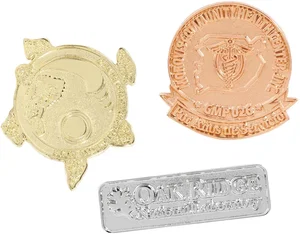
Add your organization's name, the hotline number, or your event date to any item so it does double duty as a keepsake and a resource. For more visible options, awareness lapel pins and ribbons keep the purple message professional in any workplace.
Purple Ribbon Lapel Pins
View all →


Frequently Asked Questions About Domestic Violence Awareness Month
What day is Domestic Violence Awareness Day?
The signature day of action is Purple Thursday, observed on the third Thursday of October, when supporters wear purple to stand with survivors. The broader observance, Domestic Violence Awareness Month, spans the entire month of October.
What day in October do you wear purple?
You wear purple on Purple Thursday, the third Thursday of October. Many organizations also encourage wearing purple throughout the month.
What is Go Purple Day?
"Go Purple Day" is a name some organizations use to encourage everyone to wear purple in support of domestic violence awareness during October. In practice it aligns with Purple Thursday (Wear Purple Day), the cause's main day for showing solidarity in purple.
What are the 11 domestic violence questions?
This refers to screening questions that trained advocates and clinicians use to assess danger and risk in an abusive relationship. Because these tools are sensitive and meant to be used with professional guidance, contact the National Domestic Violence Hotline (thehotline.org) for confidential help and proper screening rather than relying on a checklist alone.
When is Domestic Violence Awareness Month?
Domestic Violence Awareness Month is observed every October in the United States. It grew from the first Day of Unity in October 1981 and was designated nationally by Congress in 1989 through Public Law 101-112.
What color represents domestic violence awareness?
Purple is the official color of domestic violence awareness. It was chosen for the first Day of Unity in October 1981 to represent peace, courage, survival, honor, and dedication to ending violence.
Planning a Domestic Violence Awareness campaign or fundraiser?
Conclusion
Domestic Violence Awareness Month every October, and its purple ribbon, gives organizations a powerful, recognizable way to stand with survivors and fund the work of ending intimate-partner violence. Use the dates, history, and Purple Thursday details above to plan ahead, keep your purple consistent and distinct from October's pink, and turn that symbol into bulk custom products that rally your supporters and raise real money for the cause.
Sources: National Domestic Violence Hotline: DVAM history, NNEDV: Domestic Violence Awareness Month, Public Law 101-112 (1989), 103 Stat. 685: govinfo, Why Purple: allagainstabuse.org, Purple Thursday: doorwaysva.org, CDC: Intimate Partner Violence. If you or someone you know needs help, contact the National Domestic Violence Hotline at thehotline.org.
Shop Related Categories
Share this post with your team
Send it to a colleague or save it for later.
Related Articles

Office Holiday Party Ideas: A Planner's Guide With Games, Countdown and Free Printables (2026)
A planner's toolkit for the person who got handed the party: a format picker, an eight-week countdown, nine games with full rules, copy-ready awards, remote-team ideas and two free printables.

Trivia Team Names: 350+ Funny, Clever and Work-Safe Ideas (Plus a Build-Your-Own Formula)
More than 350 original trivia team names for bar night, the office and fundraisers, a 30-second formula for building your own, a mini kit for hosting, and two free printable score sheets.
Breast Cancer Awareness Quotes, Slogans and Sayings: 200+ for Shirts, Walks, Cards and Posts
More than 200 original breast cancer awareness quotes, slogans, sayings, captions and card messages, sorted by where you will use them, plus what to say to someone going through it and how to print a slogan well.

Football Quotes: Who Really Said the Famous Ones (Plus Game-Day Sayings)
Famous football quotes checked against the record, with the sources we could find, the lines nobody can trace, and original short sayings for rally towels, foam fingers, cups, shirts and signs.