
Blue Ribbon Meaning: What the Blue Ribbon Stands For
 Lauren MitchellSenior Content Creator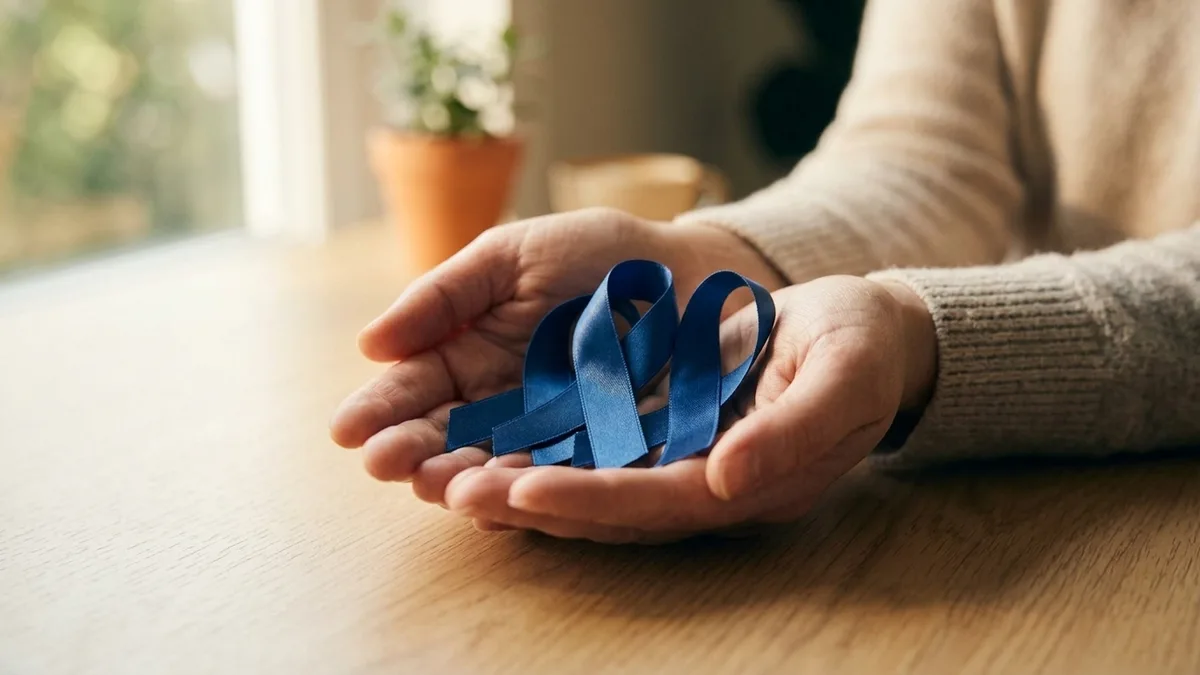
A blue ribbon is an awareness symbol for several different causes: most prominently child abuse prevention, colorectal cancer, prostate cancer, autism, and anti-bullying. The exact blue ribbon meaning usually depends on the shade of blue and the time of year, because no single organization owns the color.
Because so many causes share it, blue is one of the most context-dependent awareness ribbons. A dark or navy blue ribbon most often represents colorectal (colon) cancer, while a light blue ribbon usually stands for prostate cancer. Worn in April, blue commonly signals child abuse prevention or autism awareness; in October, it points to anti-bullying campaigns. This guide walks through every major meaning, and clears up the separate, non-medical sense of "blue ribbon" as a first prize and a blue-ribbon panel.
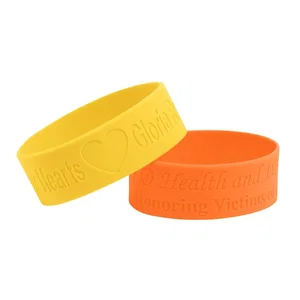
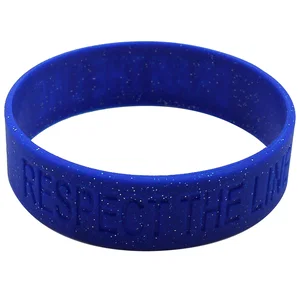
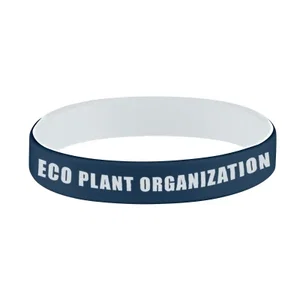
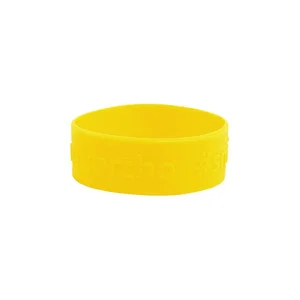
Custom Wristbands for Awareness Campaigns
View all →
What Does a Blue Ribbon Mean?
A blue ribbon means awareness and support for a cause, and the specific cause depends on the shade and the month. Unlike single-purpose symbols, blue is shared across child safety, two different cancers, autism, and bullying prevention. So the safest way to read one is by where and when it appears.
Here is the quick-reference version, by context:
| Where or when you see it | What it usually means |
|---|---|
| Dark or navy blue ribbon | Colorectal (colon) cancer awareness |
| Light blue ribbon | Prostate cancer awareness |
| Worn in April | Child Abuse Prevention Month and/or autism awareness |
| First Friday of March ("Dress in Blue Day") | Colorectal cancer awareness |
| September | Prostate Cancer Awareness Month |
| First Monday of October ("Blue Shirt Day") | Anti-bullying / National Bullying Prevention Month |
| On a contest entry, animal, or product | First prize, the "blue ribbon" winner |

If you are choosing the symbol for your own campaign, you can shop custom awareness ribbons printed with your cause and message. And for the full color-by-color chart, see our complete guide to awareness ribbon colors and months.
What Does a Blue Ribbon Mean for Child Abuse Prevention?
Child abuse prevention is the cause most often credited as the original meaning of the blue awareness ribbon. According to the CDC, each April (National Child Abuse Prevention Month), "communities throughout the United States will be holding blue ribbon campaigns to promote healthy families," organizing educational events and honoring people who support parents and children.
The blue ribbon makes child safety visible in a season built around it: wear blue in April to show support for Child Abuse Prevention Month, tie blue ribbons in public spaces, schools, and town centers to spark conversation, and pair the ribbon with a clear message ("Prevent Child Abuse," "Healthy Families") so passers-by understand the cause at a glance.
Because April also carries autism awareness (see below), printing the cause name on your ribbons or custom wristbands removes any guesswork.
What Does a Dark Blue Ribbon Mean?
Dark blue is the cancer most people mean when they ask "what does a blue ribbon mean for cancer?" It stands for colorectal, or colon, cancer. The Colorectal Cancer Alliance puts it plainly: "Blue is our color. It represents our nation of allies and all we do to end colorectal cancer within our lifetime." The Alliance marks Dress in Blue Day on the first Friday of March, the centerpiece of National Colorectal Cancer Awareness Month.
The day has a personal origin story. In 2006, Colorectal Cancer Alliance volunteer Anita Mitchell started Dress in Blue Day through her children's school after her own stage IV diagnosis, having also lost her father and a close friend to the disease. In 2009, the Alliance adopted and expanded the idea nationally, turning a single school event into a country-wide campaign. The Colorectal Cancer Alliance estimated that about 154,270 people would be diagnosed with colorectal cancer in 2025, which is why the blue ribbon's reach keeps growing.
The good news behind the ribbon is prevention. The CDC recommends regular colorectal cancer screening for everyone ages 45 to 75, because "screening tests can find polyps so they can be removed before turning into cancer." Wearing or handing out a dark blue ribbon during March is an easy way to remind people that this is one of the most preventable cancers when caught early.
What Does a Light Blue Ribbon Mean?
Light blue is the prostate cancer ribbon color. According to the Prostate Cancer Foundation, September is Prostate Cancer Awareness Month, and the scale of the cause is significant: about 1 in 8 men will be diagnosed with prostate cancer in his lifetime, and 313,000+ men will be diagnosed with prostate cancer this year in the U.S. The Foundation also notes that 1 in 6 Black men are diagnosed in their lifetime, making visible awareness especially important.
Light blue ribbons, pins, and apparel during September give men and families an easy prompt to talk about screening and risk. As with every awareness ribbon, pairing the symbol with the cause name keeps it from being confused with the dark blue colorectal ribbon.
How Do Light Blue, Dark Blue and Navy Ribbons Differ?
Blue is the one awareness color where the shade does real work. Lighter blues tend to signal prostate cancer and, during April, autism; darker navy blues most often mean colorectal cancer. Because organizations don't all use identical Pantones, this is a guide rather than a rulebook: the cause name or month is always the tiebreaker.
| Shade of blue | Best-known meaning | When it's most visible |
|---|---|---|
| Light / pale blue | Prostate cancer; autism awareness | September; April |
| Royal / medium blue | Anti-bullying; general awareness & support | October |
| Dark / navy blue | Colorectal (colon) cancer | March (Dress in Blue Day) |
A few practical takeaways come out of the shade guide. Match the shade to the cause when you order ribbons or merchandise: navy for colorectal, light blue for prostate. Don't rely on shade alone; print the cause and date so a navy and a light-blue ribbon are never mixed up. And keep in mind that mixed-shade events happen: April carries both child-safety blue and autism blue, so signage matters more than the exact tone.
Is Blue the Autism Awareness Color?
Blue became an autism awareness color through Light It Up Blue. As Autism Speaks explains, the Light It Up Blue movement is an invitation to wear blue throughout April, World Autism Month. Landmarks, businesses, and individuals "light it up blue" to keep a national conversation about autism going and to remind autistic people and their families that they are not alone. The United Nations General Assembly designated April 2 as World Autism Awareness Day in 2007.
It's worth noting that many autism organizations now emphasize acceptance over awareness, and some communities prefer the rainbow infinity symbol to a single color. So for an autism-specific campaign, follow the lead of the group you're supporting. For the dates and symbols in depth, see our guide to Autism Awareness Month.
Custom Pins for Awareness Events
View all →

Is the Anti-Bullying Ribbon Blue?
The anti-bullying ribbon is blue, and it has a clear day on the calendar. According to STOMP Out Bullying, the World Day of Bullying Prevention (Blue Shirt Day) falls on the first Monday of October, during National Bullying Prevention Month, when schools and communities create a "sea of blue." The organization explains it chose the color "because in many diverse cultures blue brings peace. The color conveys importance and confidence."
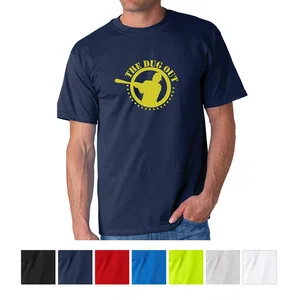
Blue anti-bullying campaigns lend themselves to school-wide participation. On Blue Shirt Day, students and staff wear blue custom t-shirts the first Monday of October, paired with the hashtags #BlueUp and #BeKind to make the day shareable online. Wristbands and pins keep the message visible all month, beyond that single day.
What Other Causes Does the Blue Ribbon Represent?
Blue is one of the busiest colors in the awareness world, so it helps to keep its best-established meanings in one place. Across the causes covered above, the blue ribbon stands for child abuse prevention (blue ribbon campaigns each April, its original cause), colorectal (colon) cancer (dark/navy blue, anchored by Dress in Blue Day in March), prostate cancer (light blue, observed in September), autism awareness (Light It Up Blue and World Autism Month in April), and anti-bullying (Blue Shirt Day on the first Monday of October).
Because so many efforts share the color, blue's broad symbolism (peace, trust, and calm) is part of why organizations keep choosing it. For the complete, color-by-color breakdown of which ribbon belongs to which cause, the awareness ribbon colors and months guide is the full chart.
What Does Blue Ribbon Mean as a Prize or Panel?
Not every blue ribbon is about a cause. The phrase has two long-standing, everyday meanings worth separating from the awareness symbol. Blue ribbon can mean first prize: at county fairs, livestock shows, baking contests, and school competitions, the blue ribbon (or rosette) is awarded to the winner, which is the sense behind "blue-ribbon winner" and labels like "blue ribbon" quality: best in class. It can also mean a blue-ribbon panel or commission: in politics and business, this is a specially selected group of experts and respected figures assembled to investigate a problem or recommend action, and when people ask what "blue ribbon" means in politics, this is it, a panel chosen for its credibility, not a cause ribbon.
So if you see "blue ribbon" attached to a contest, a product, or a government commission, it signals excellence or expertise, separate from the awareness ribbons described above.
How Does Blue Compare With Other Ribbon Colors?
Blue marks colorectal cancer, prostate cancer, child abuse prevention, autism and anti-bullying, while pink, yellow and orange each stand for a different set of causes.
Not sure blue is the right color for your cause? Here's how it compares with other most-searched ribbon colors, including what the green ribbon stands for, and see our complete guide to awareness ribbon colors and months for the full chart and calendar:
| Ribbon color | Best-known causes | Learn more |
|---|---|---|
| Blue | Colorectal cancer (dark), prostate cancer (light), child abuse prevention, autism, anti-bullying | This guide |
| Pink | Breast cancer awareness | Complete guide to pink awareness ribbons |
| Yellow | Military support, suicide prevention, childhood cancer | Complete guide to yellow awareness ribbons |
| Orange | Leukemia, kidney cancer, MS, gun-violence awareness | What the orange ribbon stands for |
One color can serve many causes, so pair your ribbon with a short message, event name, or date whenever possible. It removes the guesswork for everyone who sees it. Blue covers more ground than any other ribbon color, from navy to royal to a pale sky, and two campaigns using "blue" can look nothing alike. Our free color wheel shows where a shade sits and what sits beside it.
How Can You Show Support With a Blue Ribbon?
The simplest way is to wear the right shade of blue on the cause's day or month and pair it with the cause name.
Ready to put the symbol to work for your campaign or fundraiser? Here are the most effective ways to participate:
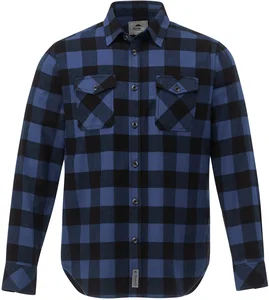
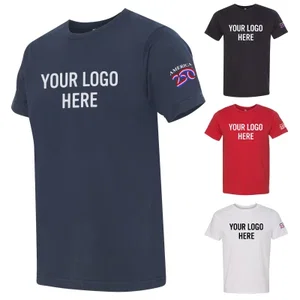
Wear it visibly: a blue ribbon pin, custom wristband, or branded lanyard sparks the "what does your blue ribbon mean?" conversations that drive awareness. Dress in blue on the day: Dress in Blue Day (colorectal cancer, March) and Blue Shirt Day (anti-bullying, October) are built around wearing blue, so outfit a whole team or classroom with matching custom t-shirts. Distribute ribbons at events by partnering with local nonprofits to hand out custom ribbons at walks, schools, and health fairs, with a card explaining the cause. And fundraise with branded merchandise: awareness groups routinely sell custom pins and everyday giveaways, from tote bags to tumblers, to fund research, education, and support services. For more ways to turn merchandise into donations, see our nonprofit fundraising ideas.
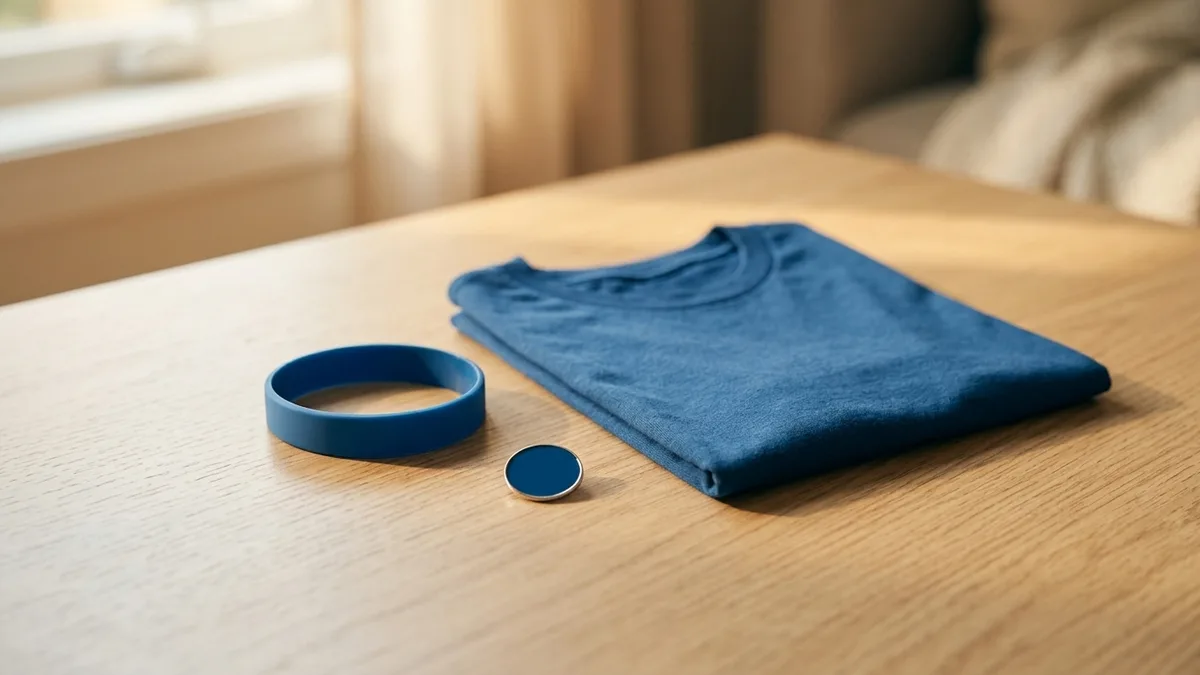
Buying tips for blue awareness merchandise: match the shade to the cause, using navy for colorectal cancer, light blue for prostate cancer, and royal blue for anti-bullying. Print the cause on the item: a blue ribbon plus three words ("Dress in Blue," "Prevent Child Abuse") doubles its clarity, so check our artwork guidelines before you upload a logo so the print stays crisp. Order for the calendar, since March (colorectal), April (child safety + autism), September (prostate), and October (anti-bullying) are peak distribution windows; order 3–4 weeks ahead. Not sure which blue is right? Order free samples first to confirm the exact shade before a bulk run. And choose wearables for events and everyday items for offices: pins and wristbands travel, while tumblers and tote bags anchor a workplace campaign.
If you're new to branded giveaways entirely, start with our primer on what promotional products are and how they work, then walk through how to order when you're ready to place your first run.
Custom T-Shirts for Dress-in-Blue Days
View all →

Frequently Asked Questions About Blue Ribbons
Why are people wearing a blue ribbon?
People wear a blue ribbon to support a specific cause: most often colorectal cancer (dark/navy blue), prostate cancer (light blue), child abuse prevention, autism awareness, or anti-bullying. The exact cause usually depends on the shade of blue and the month it appears.
What does it mean to get a blue ribbon?
Getting a blue ribbon traditionally means winning first prize. At fairs, contests, and competitions, the blue ribbon (or rosette) is awarded to the top entry, which is why "blue ribbon" is also used to describe best-in-class quality.
What does blue ribbon mean in politics?
In politics, "blue ribbon" usually refers to a blue-ribbon panel or commission: a specially selected group of highly qualified, respected experts convened to study an issue or recommend action. It signals credibility and expertise, not an awareness cause.
What are blue ribbons used for today?
Today, blue ribbons are used to raise awareness for child abuse prevention (April), colorectal cancer (March), prostate cancer (September), autism (April), and anti-bullying (October). The same phrase still also marks first-prize awards and blue-ribbon expert panels.
What does a blue ribbon mean for cancer?
For cancer, the blue ribbon represents two different diseases by shade: a dark or navy blue ribbon stands for colorectal (colon) cancer, and a light blue ribbon stands for prostate cancer. Blue is the official color of the colorectal cancer movement.
What does a light blue ribbon mean?
A light blue ribbon most often represents prostate cancer awareness, recognized each September. Light blue is also used for autism awareness during World Autism Month in April, so check the campaign or message for the exact cause.
What does a dark blue or navy blue ribbon mean?
A dark blue or navy blue ribbon represents colorectal (colon) cancer awareness. It's the color behind the Colorectal Cancer Alliance's Dress in Blue Day, held on the first Friday of March during National Colorectal Cancer Awareness Month.
What does a blue ribbon mean for child abuse prevention?
A blue ribbon is the original symbol of child abuse prevention. Each April, during National Child Abuse Prevention Month, communities across the United States hold blue ribbon campaigns to promote healthy families and protect children.
Is the blue ribbon used for autism awareness?
Yes. Blue is closely tied to autism awareness through Autism Speaks' Light It Up Blue campaign, with supporters wearing blue throughout April (World Autism Month) around World Autism Awareness Day on April 2. Many groups now emphasize acceptance and also use the infinity symbol.
What does a blue ribbon mean in health?
In health contexts, a blue ribbon most often signals colorectal cancer (dark blue) or prostate cancer (light blue) awareness, and it's also used for child abuse prevention and autism. Pairing the ribbon with the cause name avoids confusion between its many health meanings.
What does a blue ribbon mean at a funeral or for death?
A blue ribbon at a memorial or in remembrance generally expresses support and solidarity for the cause the person was connected to, for example, a colorectal or prostate cancer ribbon honoring someone lost to that disease. There is no single universal "death" meaning for blue; it follows the cause it represents.
Rally your community around a cause with custom blue ribbon gear
Conclusion
The blue awareness ribbon is one color with many meanings (child abuse prevention, colorectal cancer, prostate cancer, autism, and anti-bullying), separated mostly by shade and by the month you see it. Dark and navy blue lean toward colorectal cancer; light blue toward prostate cancer; and April and October carry their own blue campaigns for child safety, autism, and bullying prevention. Just remember that "blue ribbon" also means first prize and a blue-ribbon panel of experts, meanings that have nothing to do with awareness causes.
Dressing in blue for a March or October event, wearing a light blue pin in September, or handing out ribbons at a community fundraiser all come down to the same important step: pair the ribbon with the cause name and the right shade, so everyone who sees it knows exactly what it stands for.
Sources: CDC: Child Abuse Prevention Month · Colorectal Cancer Alliance: Dress in Blue Day · CDC: Colorectal Cancer Screening · Prostate Cancer Foundation: Awareness Month · Autism Speaks: Why Wear Blue · STOMP Out Bullying: World Day of Bullying Prevention · United Nations: World Autism Awareness Day
Shop Related Categories
Share this post with your team
Send it to a colleague or save it for later.
Related Articles

Office Holiday Party Ideas: A Planner's Guide With Games, Countdown and Free Printables (2026)
A planner's toolkit for the person who got handed the party: a format picker, an eight-week countdown, nine games with full rules, copy-ready awards, remote-team ideas and two free printables.

Trivia Team Names: 350+ Funny, Clever and Work-Safe Ideas (Plus a Build-Your-Own Formula)
More than 350 original trivia team names for bar night, the office and fundraisers, a 30-second formula for building your own, a mini kit for hosting, and two free printable score sheets.

Breast Cancer Awareness Quotes, Slogans and Sayings: 200+ for Shirts, Walks, Cards and Posts
More than 200 original breast cancer awareness quotes, slogans, sayings, captions and card messages, sorted by where you will use them, plus what to say to someone going through it and how to print a slogan well.

Football Quotes: Who Really Said the Famous Ones (Plus Game-Day Sayings)
Famous football quotes checked against the record, with the sources we could find, the lines nobody can trace, and original short sayings for rally towels, foam fingers, cups, shirts and signs.