
Nonprofit Fundraising Ideas: Proven Ways to Raise Money

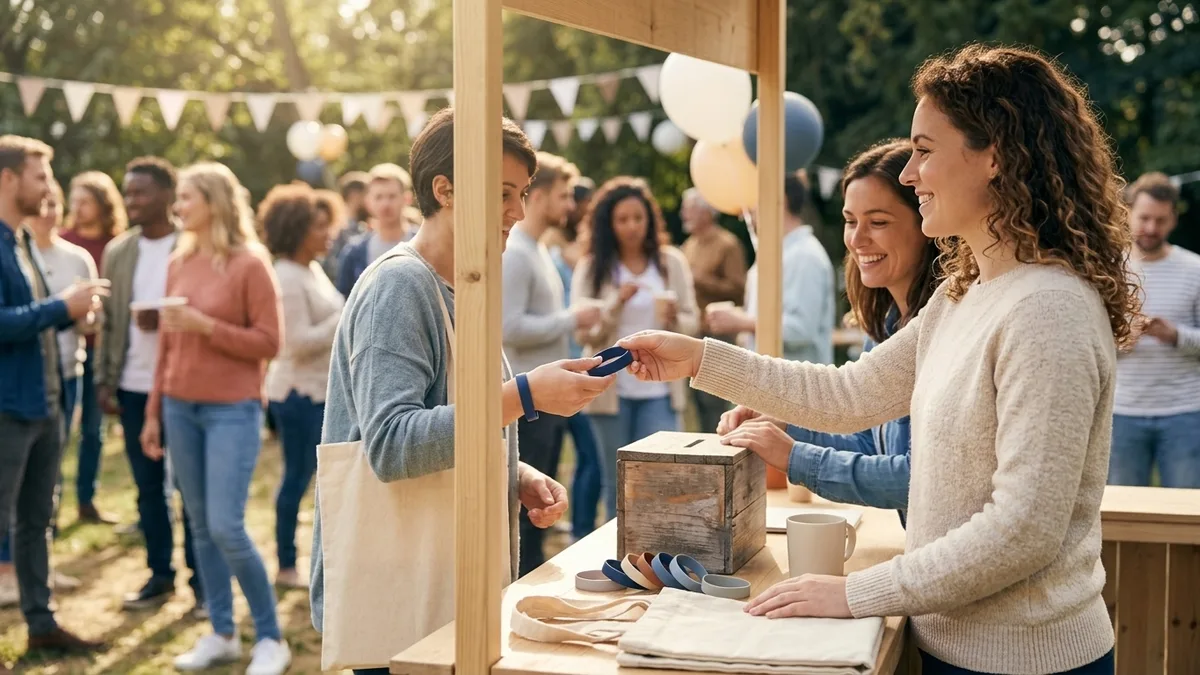
The best nonprofit fundraising ideas pair a profitable, low-effort campaign with a clear ask: think branded product sales, peer-to-peer events, and recurring online giving that supporters can act on in seconds. The right mix depends on your audience, your team's capacity, and how quickly you need the money.
To put the opportunity in perspective: total U.S. charitable giving reached $592.50 billion in 2024, a 6.3% increase in current dollars and a new high by that measure, according to Giving USA. Individuals alone gave $392.45 billion, about two-thirds of all giving, which makes everyday supporters, rather than grants and corporations, the engine of most nonprofit budgets.
This guide walks through fundraising ideas by type (most profitable, easy and low-cost, events, school and team, church and community, and virtual) and shows where custom fundraising products fit into each.
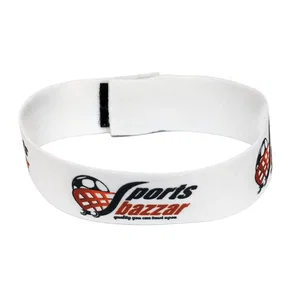
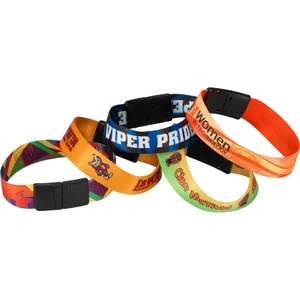
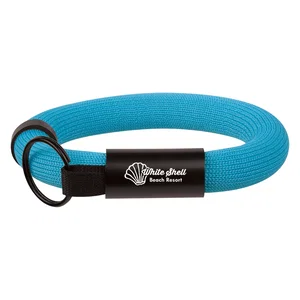
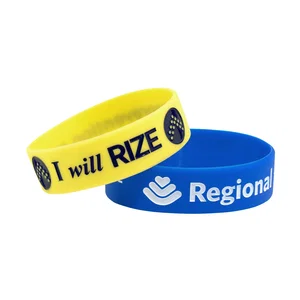
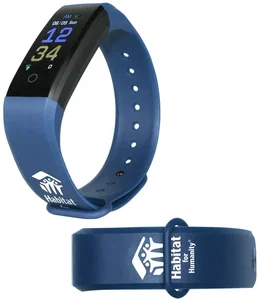
Custom Fundraising Wristbands for Your Cause
View all →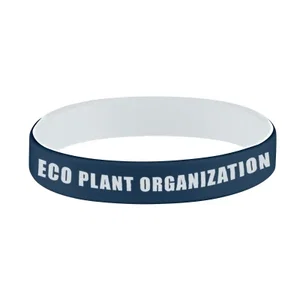
What Are the Best Nonprofit Fundraising Ideas?
There's no single "best" fundraiser. The right one depends on your goal, timeline, and team. Use the table below to match a fundraising idea to your situation, then read the section that fits.
| If you need… | Best fundraising idea | Why it works |
|---|---|---|
| Maximum profit | Major gifts + branded product sales | High margin; donors keep a tangible item |
| Money fast | Peer-to-peer / online appeal | Supporters share your link in hours |
| A low-cost option | T-shirt or wristband sale | Low upfront cost, sells at volume |
| Community turnout | An in-person event | Builds relationships and recurring donors |
| Year-round support | Monthly recurring giving | Predictable revenue, low admin |
What Are the Most Profitable Fundraisers for Nonprofits?
Profitability comes down to two levers: margin (revenue minus cost) and donor lifetime value (whether a giver comes back). The formats below score highest on both.
- Major gifts and recurring donors. Because individuals gave $392.45 billion in 2024, about two-thirds of all U.S. giving (Indiana University Lilly Family School of Philanthropy), cultivating individual donors and converting them to monthly giving is the single most profitable long-term play.
- Peer-to-peer campaigns. Supporters fundraise on your behalf, reaching their own networks at no acquisition cost to you.
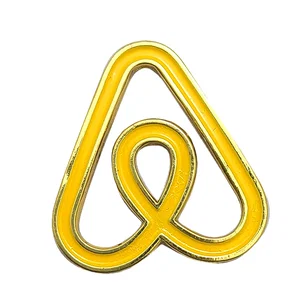
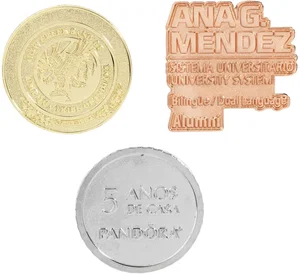
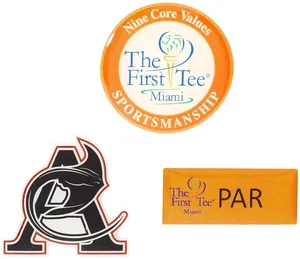
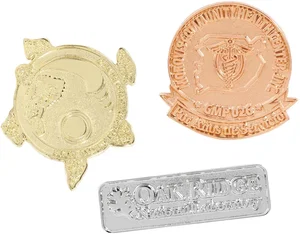
- Branded product fundraisers. Selling custom wristbands, pins, or tees at volume turns a low per-unit cost into reliable margin, and every item keeps your cause visible after the sale.
- Seasonal giving moments. GivingTuesday 2024 raised a record $3.6 billion in the U.S. (up 16% from 2023), with 36.1 million people taking action; total giving since GivingTuesday launched in 2012 now tops $18.5 billion (GivingTuesday). Anchoring a push to that date concentrates attention and matching gifts.

What Are Easy, Low-Cost Fundraising Ideas?
If your nonprofit is small or volunteer-run, start with low-cost, low-effort campaigns you can launch quickly:
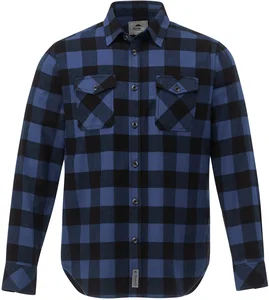
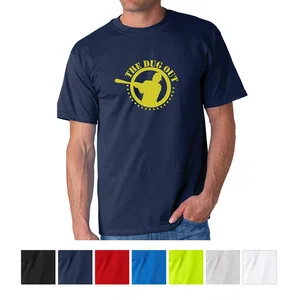
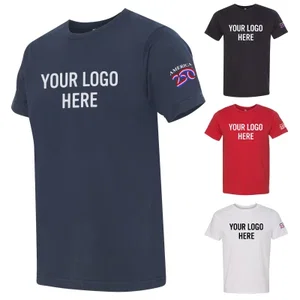
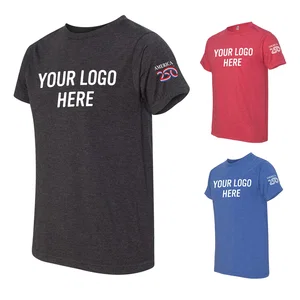
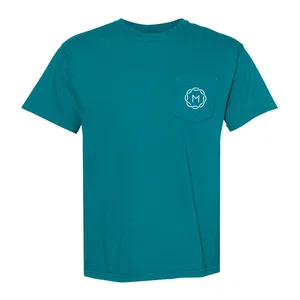
- Custom apparel sales. A pre-order t-shirt campaign carries no inventory risk. You collect orders, then print to demand. (Need inspiration for the design, see our custom t-shirt design ideas.)
- Wristband and pin drives. Inexpensive at volume, easy to sell at events, and a visible badge of support.
- Bake, craft, or yard sales. Classic, near-zero cost, and great for community engagement.
- A "round up" or suggested-donation ask. Add a simple donate button to your site and event materials.
- Donation drives with a tangible reward. Give every donor a branded keepsake. It lifts completion and turns givers into walking billboards.
Because low-cost fundraisers rely on volume, the per-unit price of your merchandise matters. Bulk-printed custom t-shirts and fundraising wristbands keep costs down so more of every dollar reaches your cause.
Custom Fundraising T-Shirts & Apparel
View all →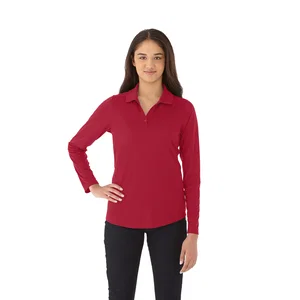
Which Fundraising Event Ideas Work Best?
Events build the relationships that turn one-time donors into recurring ones. The table below maps common event types to the audience they suit and the merchandise that supports them.
| Event type | Best for | Branded products that help |
|---|---|---|
| Walk / run / 5K | Health and cause campaigns | Event tees, wristbands, race lanyards |
| Gala or benefit dinner | Major-donor cultivation | Lapel pins, branded keepsakes |
| Silent or live auction | High-value fundraising | Tote bags, tumblers as gifts/prizes |
| Trivia or game night | Young-professional crowds | Team tees, keychains |
| Peer-to-peer challenge | Distributed networks | Wristbands supporters wear and share |
A few rules that lift event revenue:
- Add a digital ask everywhere. In the M+R Benchmarks 2024 study, mobile users drove 52% of nonprofit website traffic, but 78% of revenue came from desktop users, so make giving easy on both phones and laptops, not mobile alone.
- Reduce checkout friction. Offer one-tap digital wallets (PayPal, Apple Pay, Google Pay, and Venmo) alongside card entry on your main donation form. Fewer clicks means more completed gifts.
- Give attendees something to keep. Branded merch extends your reach long after the event ends.
If your cause has an official awareness color, match your event merchandise to it. Our awareness ribbon colors guide shows which color leading organizations use for each cause.
What Are Good School, Team and Club Fundraising Ideas?
Schools, sports teams, and clubs have a built-in advantage: an engaged community of students, parents, and fans. Lean into it with merchandise that people actually want to wear.
- Spirit-wear sales. Custom tees, hoodies, and tote bags branded with the school or team logo sell themselves to families.
- Fun runs and jog-a-thons. Low-cost, high-participation, and easy to pair with a pledge page.
- Product fundraisers. Wristbands, custom keychains, and custom lanyards are inexpensive per unit and sell well at games and events.
- Sponsor-a-player or sponsor-a-banner. Local businesses fund the team in exchange for logo placement.
For more on running a profitable, repeatable product campaign, see our custom mug fundraising strategy. The same playbook applies to tees, totes, and custom tumblers.
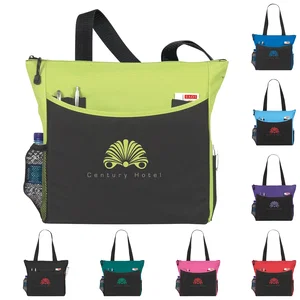
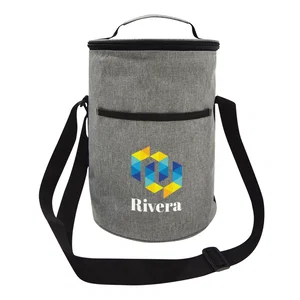
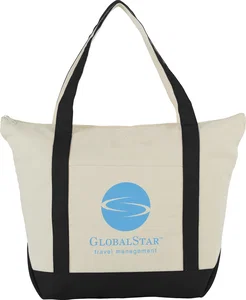
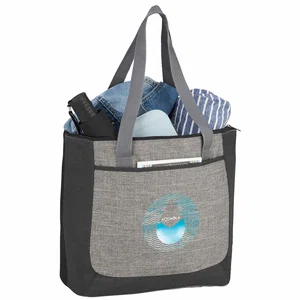
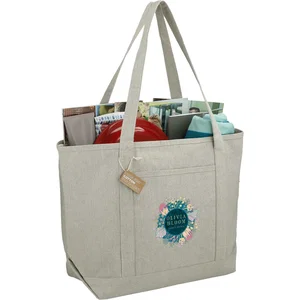
Custom Tote Bags for School & Team Fundraisers
View all →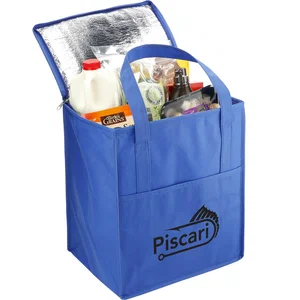

What Are Good Church and Community Fundraising Ideas?
Faith and community groups thrive on relationships and repeat participation. Effective ideas include:
- Community meals and bake sales. Low cost, high turnout, and a natural place to share your mission.
- Charity auctions and raffles. Donated items and branded prizes raise funds with little overhead.
- Branded apparel and tote sales. Mission-themed tees and tote bags fund the cause and build belonging.
- Recurring giving / tithing programs. Predictable monthly support is the most stable revenue a community group can build.
A practical reminder for 501(c)(3) groups: broad participation matters for more than morale. To stay classified as a public charity rather than a private foundation, an organization generally must pass an IRS public support test. Under the 509(a)(1) test, it must generally receive at least one-third of its support from contributions from the general public (or meet a 10 percent facts and circumstances test), measured over a five-year period, according to the IRS. Wide, small-dollar community fundraising helps you clear that bar.
What Are the Best Virtual and Online Fundraising Ideas?
Online fundraising scales your reach without scaling your costs, but only if the giving experience is smooth. Build your virtual program around these principles:
- Optimize for every device. In the M+R Benchmarks 2024 study, mobile users drove 52% of nonprofit website traffic, yet 78% of revenue came from desktop users. Design the donation page so it converts on both.
- Offer one-tap payment. Add digital wallets like PayPal, Apple Pay, Google Pay, and Venmo next to card entry so low-friction checkout lifts completion.
- Run peer-to-peer and social campaigns. Let supporters fundraise within their networks and share branded merch photos to spread the ask.
- Time a push to GivingTuesday. A single coordinated day brought in $3.6 billion in U.S. donations in 2024 (GivingTuesday). Concentrate your virtual energy where attention and matching gifts already are.
Which Branded Fundraising Products Sell Best?
Custom products are one of the few fundraising tools that pay twice: once when a supporter buys the item, and again every time they wear or carry it. Because they're inexpensive at volume, they fit nearly any of the ideas above: event merch, school spirit-wear, community sales, and online drop campaigns.
| Product | Best fundraising use | Why it sells |
|---|---|---|
| Custom wristbands | Walks, schools, awareness drives | Cheap at volume, visible badge of support |
| Custom t-shirts | Spirit wear, events, pre-orders | High perceived value, wearable promotion |
| Tote bags | Community and church sales | Reusable, durable feel, broad appeal |
| Lapel pins | Galas, donor recognition | Low cost, classy keepsake |
| Tumblers | Auctions, major-donor gifts | Higher-ticket, used daily for years |

Tip: order in bulk and print to your campaign goal so per-unit costs stay low and more of every dollar reaches your mission. Browse fundraising wristbands, custom lapel pins, and custom tote bags to build your kit. New to bulk merch? Request a few free samples to check quality before you commit, and our step-by-step ordering guide walks you through artwork, proofs, and turnaround.
Custom Lapel Pins for Donor Recognition
View all →
Frequently Asked Questions About Nonprofit Fundraising
What are the most profitable fundraisers for nonprofits?
The most profitable fundraisers combine high donor value with high margin: major-gift and recurring-giving programs, peer-to-peer campaigns, and branded product sales. Because individuals supplied about two-thirds of all U.S. giving in 2024 (Giving USA), donor-driven formats consistently out-earn one-off gimmicks.
What is the fastest way to raise money for a non-profit?
The fastest route is a digital appeal your supporters can share immediately: a peer-to-peer or social campaign pointed at a simple online donation page. Offering one-tap wallets like PayPal, Apple Pay, and Venmo reduces checkout friction so gifts complete in seconds.
What is the 80/20 rule in fundraising?
The 80/20 rule is a rule of thumb that most of a nonprofit's donation revenue comes from a small group of its donors, usually your major and recurring supporters. It's a reminder to invest heavily in cultivating and retaining top donors, rather than pouring all your effort into acquiring new ones.
How much will GoFundMe take from $10,000?
GoFundMe's fees vary by platform and region and change over time, so confirm the current rate on GoFundMe's official site before you launch. Whatever platform you choose, factor processing fees into your goal, and remember that selling branded products alongside donations can offset platform costs.
What is the 33% rule for nonprofits?
The "33% rule" is the IRS 509(a)(1) public support test: a public charity must generally receive at least one-third of its support from contributions from the general public, measured over a five-year period (or meet a 10 percent facts and circumstances test), according to the IRS. Passing it keeps a 501(c)(3) classified as a public charity rather than a private foundation, and broad, small-dollar fundraising helps you meet it.
How do small nonprofits raise money?
Small nonprofits raise money best with low-cost, high-participation ideas: product fundraisers (t-shirts, wristbands), community events, donation drives, and a simple recurring-giving option. Start with formats that need little upfront cash, then reinvest in cultivating the individual donors who make up the majority of giving.
Ready to launch a fundraiser that funds your cause?
Conclusion
Great nonprofit fundraising ideas share a common thread: they make giving easy and give supporters a reason to stay involved. Lean on the formats that match your timeline and team (profitable major-gift and recurring programs, easy product sales, community events, and friction-free online giving) and use branded merchandise to turn every supporter into a donor and an advocate. With individuals driving two-thirds of U.S. giving, the organizations that win are the ones that make participation simple, repeatable, and rewarding.
Sources: Giving USA 2025: total U.S. giving, Indiana University Lilly Family School of Philanthropy: individual giving share, GivingTuesday 2024 results, IRS: public charity support test (Form 990 Schedule A), M+R Benchmarks 2024. Platform fees and figures change over time. Confirm current details with each source.
Shop Related Categories
Related Articles

Football Quotes: Who Really Said the Famous Ones (Plus Game-Day Sayings)
Famous football quotes checked against the record, with the sources we could find, the lines nobody can trace, and original short sayings for rally towels, foam fingers, cups, shirts and signs.
Basketball Team Names: 150+ Original Ideas for Every Kind of Team
More than 150 original basketball team name ideas sorted by team type: funny, cool, youth, women's, co-ed, rec league, church and work teams, plus a checklist for choosing one your whole roster likes.

Friendsgiving Ideas: How to Plan, Host and Send Guests Home Happy (at Home or at Work)
A planner's guide to Friendsgiving for friends or coworkers: a potluck signup plan, what to assign each guest, easy games, a table-setup checklist, and take-home favors people actually keep.

Veterans Day Coloring Pages: Free Printable Sheets for Kids and Classrooms
These free Veterans Day coloring pages give kids and classrooms 12 original designs to print, from a thank-you flag and a red poppy to a word search, a fold-over card and a letter of thanks for a veteran.