
Custom T-Shirt Design Ideas: A Bulk Buyer's Guide

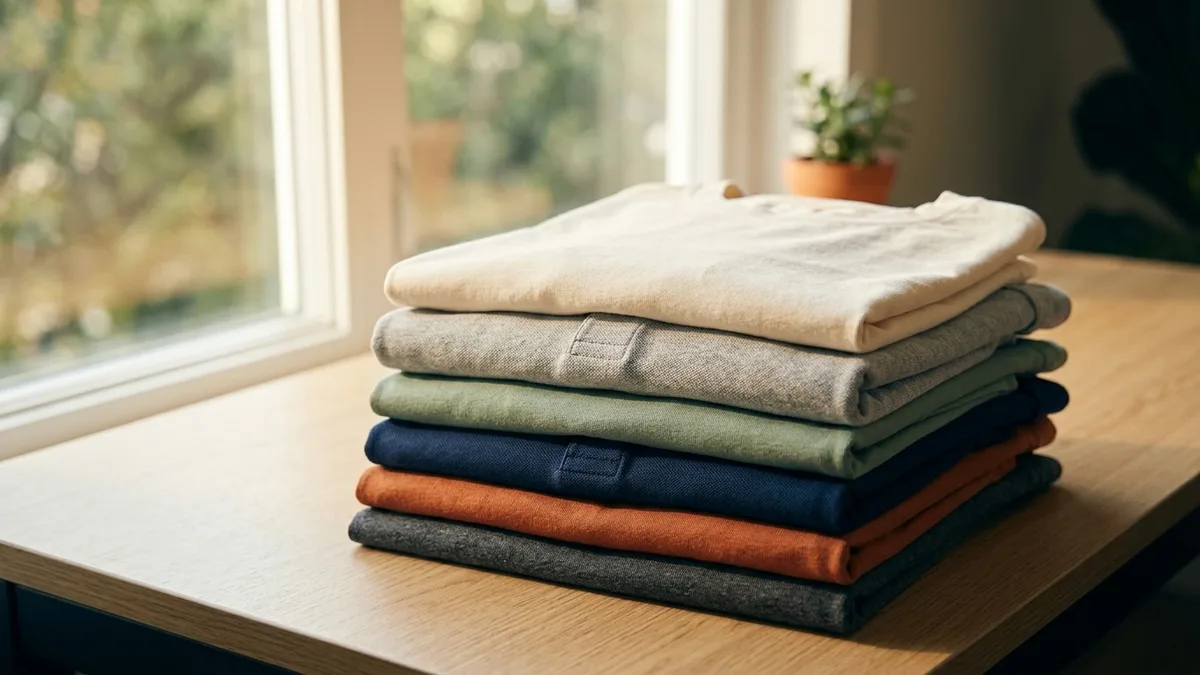
The best custom t-shirt design ideas start with one question: how will the shirt be used? A few simple, high-contrast custom t-shirt design ideas (a bold front graphic, a left-chest logo, a back-of-shirt event roster) almost always outperform a busy, photo-heavy design once you account for how the artwork actually prints on fabric and how it reads from across a room.
If you are ordering in bulk for a team, an event, a fundraiser, or a staff uniform, design and production are the same decision. The print method, the fabric, and the colors you choose all shape what your art can look like, and what it will cost per shirt. This guide walks through the design ideas that work for each use case, then the practical choices that turn a good concept into a clean, print-ready custom t-shirt order.
Shop Custom Apparel for Your Order
View all →
What Makes a Great Custom T-Shirt Design?
The strongest custom t-shirt design ideas share the same traits, whether they are for a softball team or a company booth. They have a single focal point, enough contrast that the art pops off the shirt color, and a layout that fits a standard print area. Designs fail when they try to do too much. Three competing graphics, a five-color gradient, and a paragraph of small text rarely survive contact with real fabric.
It helps to think like a printer before you think like a designer:
- Fewer colors, lower cost, cleaner result. Every extra ink color adds setup in screen printing and visual clutter everywhere. Two or three colors is a sweet spot.
- Contrast is everything. Light art on a dark shirt (or the reverse) reads from across a parking lot. Mid-tone art on a mid-tone shirt disappears.
- Design for one placement. Pick the hero spot (full-front, left-chest, or back) and commit to it instead of scattering art everywhere.
- Leave breathing room. A graphic that crowds the seams and collar looks cramped; standard print areas exist for a reason.
Nail those fundamentals and almost any concept will translate well to a bulk run. The sections below turn them into specific ideas for teams, events, and staff.
Choose Your Print Method: Screen Printing vs. DTG vs. Embroidery
Your print method is the first design decision, because it sets the rules for what your artwork can be. Here is how the three most common methods compare for a bulk order.
| Method | How it works | Best for | Color range | Watch-outs |
|---|---|---|---|---|
| Screen printing | Each ink color is burned to its own reusable screen and pressed onto the shirt | Large bulk runs with few colors | Limited per design; setup grows per color | Setup cost per color; not ideal for photo art |
| DTG (direct-to-garment) | Inkjet sprays the design directly into the fabric | Full-color art, gradients, low quantities | Unlimited, photo-quality | Performs best on high-cotton shirts |
| Embroidery | The design is stitched in thread, not printed | Left-chest logos on staff and corporate tees | Thread colors; no gradients | Fine detail and small text don't stitch well |
A few facts worth keeping straight as you choose:
- Screen printing is the most cost-effective method for large bulk runs, because each ink color lives on its own reusable screen and the per-shirt cost drops sharply as quantity rises. The trade-off: setup cost grows with every additional ink color, so it favors simpler, few-color designs at high volume. (screenprinting.com)
- DTG sprays the design directly into the fabric and reproduces unlimited colors and photo-quality gradients with no per-color setup, which makes it the better fit for full-color or low-quantity custom designs. It performs best on high-cotton-content shirts. (screenprinting.com)
- Embroidery stitches the design in thread for a polished, durable, dimensional look that's ideal for left-chest logos on staff and corporate tees, but it's best for simpler logos, because fine detail and small text don't reproduce well in stitches.
The short version: bold and bulk means screen printing, full-color or small batches means DTG, and a polished branded look means embroidery. Most of the design ideas below note which method they suit best. For sizing your logo correctly before you decide, our logo imprint size guide covers the placement math that applies to apparel too.

Pick the Right Fabric and Shirt Style for Your Design
The blank you choose changes how your design looks and lasts. Cotton t-shirt blanks are commonly described by fabric weight in ounces per square yard, and that number is a useful shorthand for feel, durability, and price.
| Fabric weight | Feel | Best use | Trade-off |
|---|---|---|---|
| ~4.0–4.5 oz | Lightweight, soft, fitted | Fashion/retail tees, warm-weather events | Less durable; thinner hand |
| ~5.0–6.0 oz | Midweight, everyday | Team, event, and staff tees | The balanced all-rounder |
| 6.0+ oz | Heavyweight, substantial | Upscale gifts, work tees, resale | Costs more per unit |
A few style notes that affect design:
- Cotton vs. blends. High-cotton shirts give DTG the brightest, sharpest result; cotton/poly blends resist shrinking and wrinkles and feel softer over time. If you're unsure which blank suits your run, request free samples to feel the weight and hand before you commit.
- Shirt color is part of the palette. A colored shirt is a background you don't have to print. Design around it instead of fighting it.
- Fit matters for the audience. Offer a unisex/standard cut plus a fitted option so a whole team or staff actually wears the shirt.
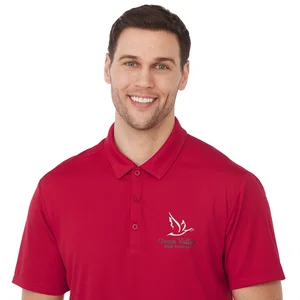
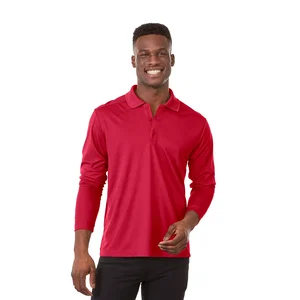
T-shirts are only one apparel format. If your group prefers a more polished look, the same design principles carry over to long-sleeve t-shirts and embroidered custom golf shirts for staff and leadership. Browse the full range in our promotional apparel category.
Color, Placement & Typography: Design Tips That Print Clean
Once the method and fabric are set, these are the design tips that separate a crisp custom tee from a muddy one. A typical adult front print area is around 12 inches wide; oversized or all-over prints require DTG or specialty processes, while standard jobs are sized to a left-chest mark (about 3.5–4 inches) or a full-front placement.
- Contrast first. Pick a shirt color and an ink color that fight for attention, never two shades of the same tone. Test your design on the actual shirt color, not on white.
- Cap the colors. For screen printing, every color is a separate screen and a separate cost. Two or three colors usually looks more intentional anyway.
- Big, bold type. Thin script and tiny text break up on textured fabric. Use heavier weights, generous spacing, and a minimum legible size.
- Pick a placement and own it. Left-chest for logos and staff tees; full-front for events and statements; full-back for rosters, sponsor lists, and slogans.
- Mind the edges. Keep critical art away from seams, collars, and pockets so nothing gets cut off or distorted.
- Design in vector. Vector art scales to any print size without losing quality: more on file prep in the ordering section below.
The throughline: the cleaner and simpler the design, the better it prints, the less it costs, and the longer it lasts. Restraint is a feature, not a limitation.
Design Ideas for Team & Group T-Shirts
Team and group tees are about unity and visibility. Everyone instantly belongs, and the design works from a distance. These ideas suit screen printing well, since team shirts usually share a few bold colors across a big run.
- Name-and-number backs. A large player name across the shoulders with a number below is the classic sports look, and it scales to clubs, classes, and crews.
- Big front mascot or monogram. One bold central graphic (mascot, team initials, or crest) in a single contrasting color reads from anywhere.
- Color-coded groups. Same design, different shirt colors per sub-team, grade, or department: instant visual sorting at an event.
- Slogan on the back. A short, punchy team motto across the back turns a plain tee into a statement piece.
- Roster tees. List every member's name in a creative layout (a number shape, a year, a mascot silhouette) for a keepsake everyone wants.
For a softball league, a school club, a corporate field day, or a family reunion, the formula is the same: one shared color, one bold idea, names where they matter. Order matching tees in bulk so the whole group looks coordinated for a fraction of the per-shirt cost.
Design Ideas for Event, Fundraiser & Trade-Show Tees
Event tees do double duty: they make staff and volunteers easy to spot, and they turn every attendee into a walking advertisement long after the event ends. Full-color event branding often suits DTG, while simpler one- or two-color cause shirts are well suited to high-volume screen printing.
- Front-and-center event branding. Event name, year-free tagline, and logo as the hero graphic. Make it unmistakable in photos and on social.
- Sponsor-stack backs. Reserve the back for a clean row of sponsor logos; it's a tangible thank-you and a selling point when you pitch sponsors.
- Cause-color fundraisers. Match the shirt or ink to your cause's color so the crowd reads as one movement. Our awareness ribbon colors guide maps colors to causes.
- Staff vs. attendee tees. Give volunteers a distinct shirt color or "STAFF" back print so guests know who to ask.
- Trade-show booth tees. A clean left-chest logo plus a back-of-shirt call to action ("Ask me about ___") turns your team into booth signage.
For a 5K, a gala, a school fundraiser, or a trade-show booth, design the shirt as a piece of the event's marketing, not an afterthought. The bulk order is also your cheapest impression-per-dollar of the whole campaign, and it pairs naturally with matching custom tote bags for attendee swag, a combo we break down in our custom tote bag ideas guide.
Design Ideas for Staff, Uniform & Branded Business Tees
Staff and uniform tees are the most-worn shirts you'll order, so the design has to be professional, consistent, and comfortable enough for an eight-hour shift. These ideas lean toward embroidery and small, clean prints rather than loud graphics.
- Left-chest logo, done right. A small, crisp logo (embroidered or screen-printed) is the workhorse of branded apparel, understated and instantly professional.
- Role on the back. Add "STAFF," "TEAM," or a department name across the shoulders so customers can identify your people at a glance.
- Brand-color shirts. Use your actual brand colors for the shirt itself; the logo does the rest. It looks intentional and ties into the rest of your collateral.
- Tagline under the logo. A short brand tagline or website beneath a left-chest logo doubles as quiet advertising.
- Tiered apparel. Tees for frontline staff, golf shirts for managers: same logo, stepped-up formality.
For retail floors, restaurants, service crews, and event staff, branded tees turn your team into a uniform, trustworthy presence, and a moving billboard. For other team-branded items that pair well with staff apparel, see our guide to the best custom notebooks and journals for teams.
Popular Custom T-Shirts
View all →

Ordering in Bulk: Artwork, Minimums & Getting Print-Ready
The difference between a smooth bulk order and a reprint usually comes down to artwork prep. Vector artwork (AI, EPS, or PDF), or high-resolution raster at 300 DPI at the final print size, is the standard requirement for clean, scalable decoration, and our artwork guidelines spell out exactly what to supply. Low-res web images pixelate the moment they're enlarged to print size.
| File type | Format | Why it works |
|---|---|---|
| Vector (preferred) | AI, EPS, PDF | Scales to any size with no quality loss; ideal for logos and type |
| High-res raster | PNG, TIFF at 300 DPI | Works for photo art and gradients when sized at print dimensions |
| Avoid | Low-res JPG/PNG from the web | Pixelates and blurs when enlarged to shirt size |
A pre-order checklist that prevents most surprises:
- Confirm the minimum. Bulk pricing kicks in at a minimum quantity; ask where the price breaks fall so you can right-size the order.
- Count your colors. Know how many ink colors your design uses. It drives screen-printing setup and cost.
- Lock the placement and size. Left-chest (~3.5–4 in) or full-front (~12 in wide); specify it so the proof matches your intent.
- Pick the right method for the art. Few colors and high volume → screen printing; full-color or small batch → DTG; polished logo → embroidery.
- Approve a proof on the real shirt color. Always review the digital proof against the actual garment color, not a white background.
Get those squared away and your bulk run comes back exactly how you pictured it; if you're new to bulk decoration, our how to order walkthrough covers each step from quote to delivery. When you're ready, our team can match your design to the right method, shirt, and quantity, and quote it with no hidden fees.
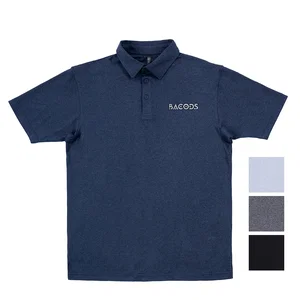
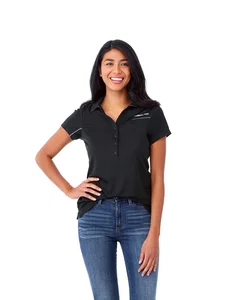
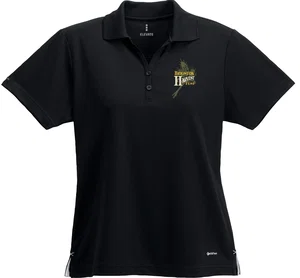
Branded Polos for Staff & Managers
View all →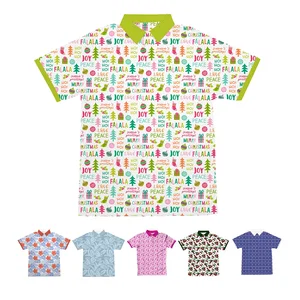
Frequently Asked Questions
How can I design my own t-shirts?
Start with a single, clear idea and a standard placement (left-chest or full-front), then build the art in vector format so it scales cleanly. Keep the color count low, use high contrast against the shirt color, and size everything to the print area before you order. Our team can also turn a rough concept or existing logo into a print-ready design.
How do I come up with t-shirt design ideas?
Work backward from the shirt's purpose. A team tee wants a bold name and number; an event tee wants the occasion branded front-and-center; a staff tee wants a clean left-chest logo. Pull your brand or cause colors, pick one focal graphic, and keep it simple. The best custom t-shirt design ideas are usually the most restrained ones.
What are the most popular custom t-shirt designs?
Perennial favorites include bold single-color front graphics, name-and-number team backs, left-chest logos with a back tagline, and event tees with sponsor logos on the reverse. Because these evergreen layouts read well and print cleanly in bulk, they consistently outperform busy, multi-graphic designs.
What is the best place to make custom t-shirts in bulk?
Choose a supplier that prints in bulk with no hidden fees, supports screen printing, DTG, and embroidery, sends a digital proof before printing, and helps you prep print-ready artwork. For B2B and bulk orders (teams, events, staff, and fundraisers), that combination matters more than a flashy online design tool.
What is the difference between screen printing and DTG?
Screen printing burns each ink color to its own reusable screen and gets cheaper per shirt as quantity rises, which makes it ideal for large, few-color runs. DTG sprays the design directly into the fabric and reproduces unlimited, photo-quality colors with no per-color setup, which makes it better for full-color or low-quantity designs.
How many colors can you print on a custom t-shirt?
With DTG, effectively unlimited. It handles full-color art and gradients with no per-color setup. With screen printing, the practical limit is driven by cost rather than capability: each additional color adds its own screen and setup, so most bulk designs stick to one to four colors to keep the price down.
What is the minimum order for custom t-shirts in bulk?
Minimums vary by supplier and print method, and bulk pricing improves at quantity price breaks. Screen printing in particular rewards larger runs because setup is spread across more shirts. Ask where the price breaks fall so you can size your order to the best per-shirt cost.
What file format do I need for a t-shirt design?
Vector files (AI, EPS, or PDF) are the gold standard because they scale to any print size with no quality loss. High-resolution raster at 300 DPI at the final print size works for photo art. Avoid low-resolution web images. They pixelate the moment they're enlarged to shirt size.
Ready to design your custom tees?
Bringing Your Custom T-Shirt Design to Life
The best custom t-shirt design ideas aren't about cramming in more. They're about matching one clear idea to the right print method, fabric, and placement, then ordering enough volume to make the per-shirt price work. Lead with the use case: bold name-and-number tees for teams, front-and-center branding for events, and clean left-chest logos for staff. Keep the art simple and high-contrast, supply print-ready vector files, and approve a proof on the real shirt color.
Do that, and a bulk order of custom tees becomes one of the highest-impact, lowest-cost branding moves you can make, for a season, an event, or a whole staff. When you're ready to turn a concept into shirts, our team is here to help you spec the design, method, and quantity and get a quote with no surprises.
Shop Related Categories
Related Articles
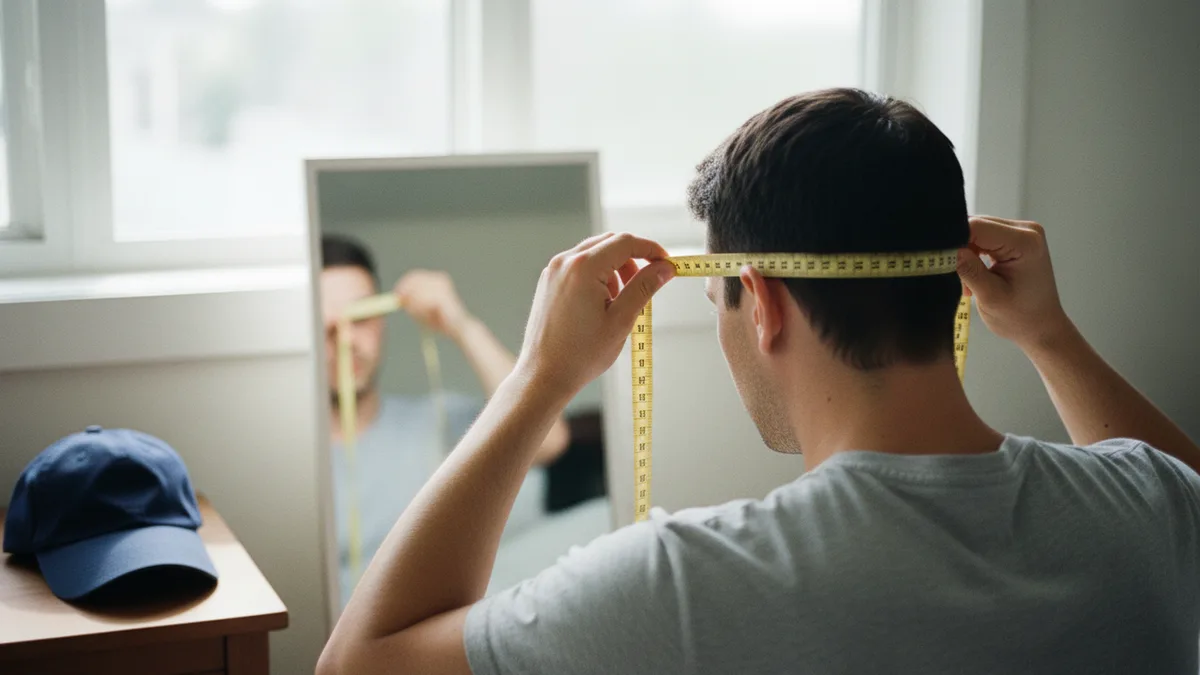
Hat Sizes: How to Measure Your Head, a Full Hat Size Chart and What OS Means
A plain-English guide to hat sizes: how to measure your head in one minute, a full hat size chart in inches and centimeters, what OS means on a size label, and how to size hats for a group.
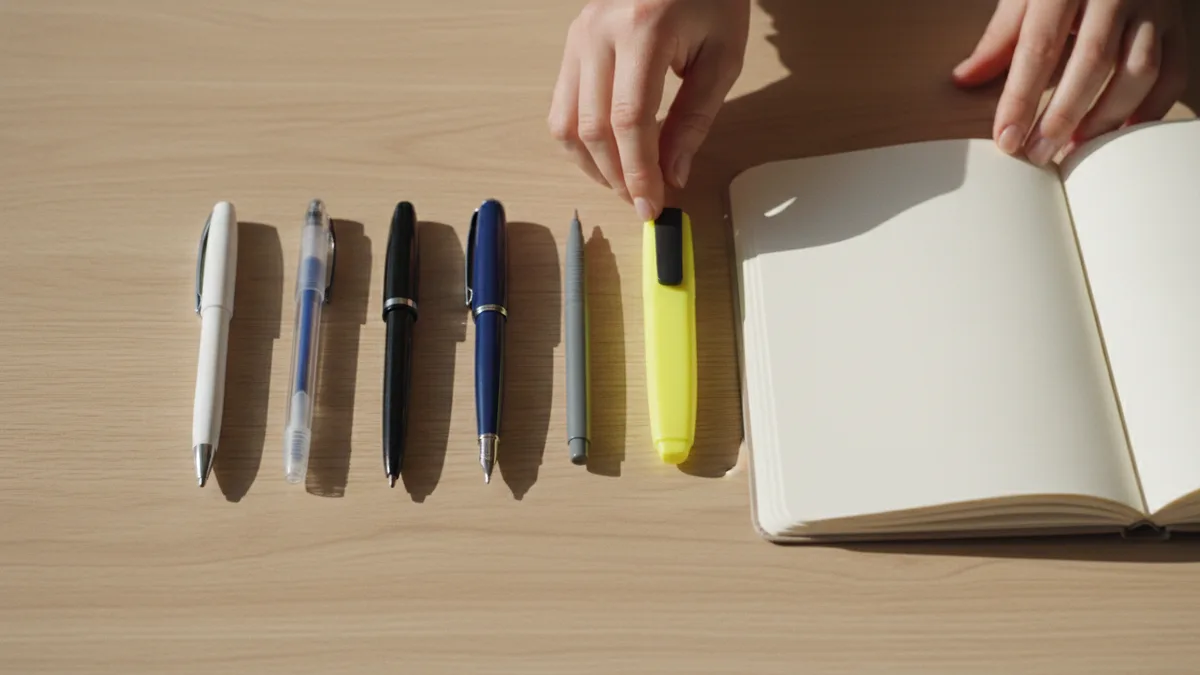
Types of Pens: How to Pick the Right One for Every Job (With a Free Cheat Sheet)
A chooser, not an encyclopedia: which pen to buy or hand out for each job, how pen tips and inks differ, head-to-head verdicts, left-handed tips and a free printable pen picker.
T-Shirt Size Chart: How to Measure and How Many of Each Size to Order
A T-shirt size chart with real chest and length measurements for two blank tees, a two-minute way to measure a shirt, and a paper worksheet for how many of each size to order for a group.
Custom Keychain Ideas: Materials, Styles & Bulk Buying
Custom keychain ideas for bulk brand giveaways: compare metal, leather, acrylic and silicone, weigh engraving against printing, and learn the minimums, costs, and lead times for ordering branded keychains in volume.