
Custom Tote Bag Ideas: Materials, Printing & Bulk Tips

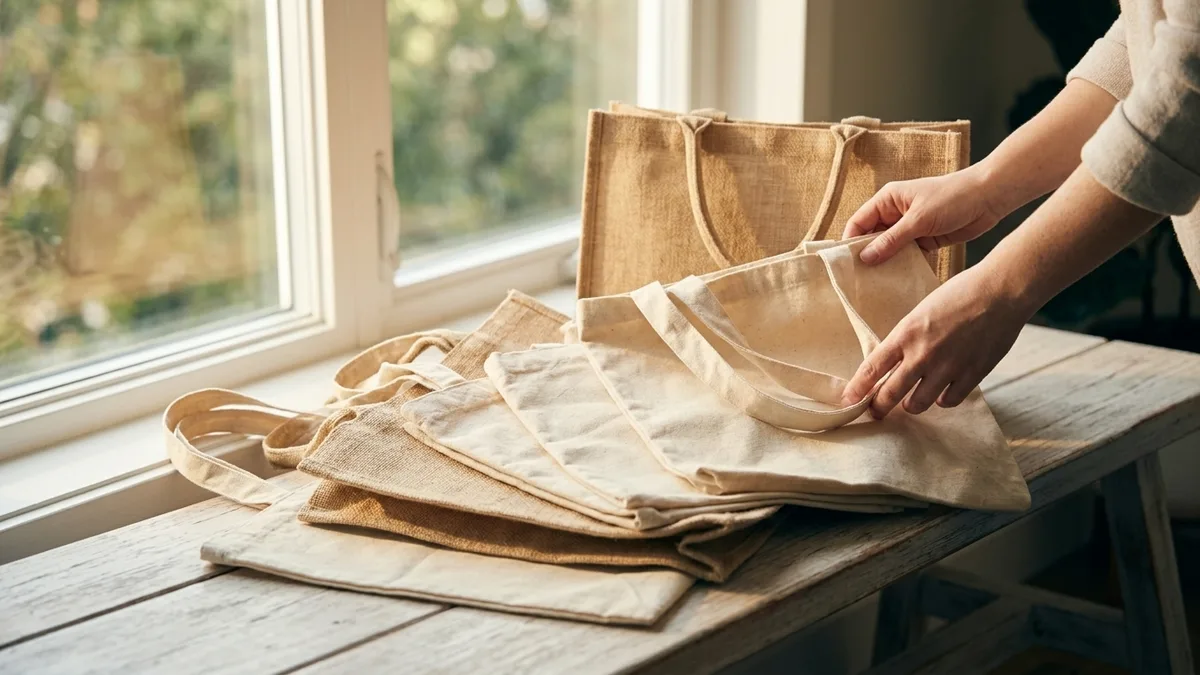
If you're hunting for custom tote bag ideas that actually move the needle for a brand, not a one-off craft project, start with the job the bag has to do, then work backward to material, size, and print. The best custom tote pairs the right fabric (cotton, canvas, non-woven, or jute) with a decoration method and size that match how recipients will actually use it: that one decision drives durability, cost per unit, and how clean your logo looks.
When buyers spec bulk promotional totes, the same pattern tends to hold: the totes that get reused for years are the ones matched to a real use case, while the ones that end up in a drawer were chosen on price alone. This guide walks the decision step by step: materials, sizes, printing, design, event use, sustainability, and how to order at volume without surprises.
Shop Popular Custom Totes
View all →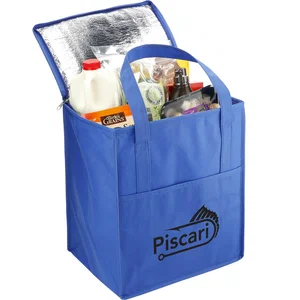

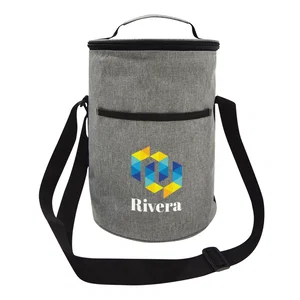
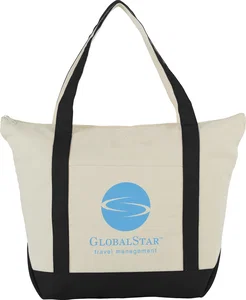
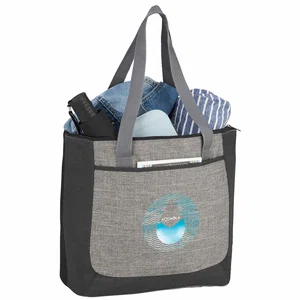
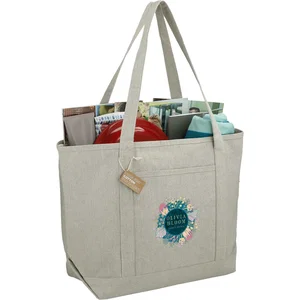
What Makes a Great Custom Tote Bag?
A tote is only "great" relative to its job. A conference giveaway, a retail shopper, an employee welcome kit, and a farmers-market resale bag all want different fabric and finishing. Before you fall in love with a design, answer three questions: How much weight will it carry? How long do you want it to last? And what's your budget per unit? Those answers narrow the field fast, and they keep you from over-spending on a throwaway or under-spending on something you wanted people to keep.
The good news is that totes are one of the most reused promotional products there is. Get the spec right and your logo rides along to the office, the gym, and the grocery store for years, which is exactly the kind of repeat exposure that makes custom logo tote bags such a durable advertising buy.
What Material Is Best for Custom Tote Bags?
The four materials worth knowing are cotton, canvas, non-woven polypropylene, and jute. Cotton and canvas are actually the same family, both are cotton fabric, but they're woven at very different weights, and weight is what you feel in the hand. Fabric weight is measured in ounces per square yard: lightweight cotton totes run roughly 5–6 oz, mid-weight around 8 oz, and heavy-duty canvas hits 10–12 oz or more. Heavier fabric means a more durable bag and a sturdier, more structured imprint surface.
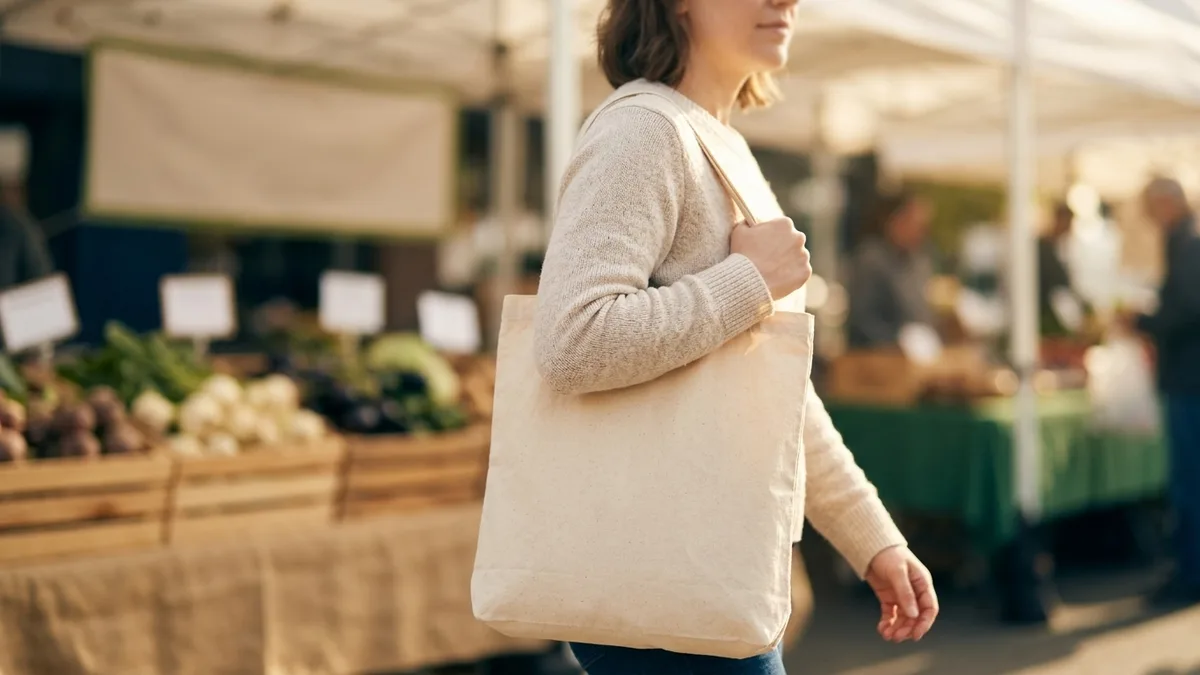
Cotton is also a natural, renewable, and biodegradable fiber, which is a genuine selling point when you're positioning a reusable bag against single-use plastic (Cotton Incorporated). Here's how the four stack up:
| Material | Typical weight | Feel & look | Best for | Relative cost |
|---|---|---|---|---|
| Cotton | ~5–8 oz/yd² | Soft, natural, everyday | Retail, giveaways, daily carry | $$ |
| Canvas | ~10–12 oz/yd²+ | Heavy, structured, upscale | Heavy loads, client gifts, resale | $$$ |
| Non-woven polypropylene | Measured in gsm | Lightweight, glossy, plasticky | High-volume cheap giveaways, grocery | $ |
| Jute / burlap | Heavy, coarse weave | Rustic, natural, eco aesthetic | Eco-positioned gifts, markets, gourmet | $$$ |
If you want a versatile default, lightweight cotton covers most giveaway briefs. If recipients will load the bag with books, bottles, or groceries, step up to heavyweight canvas tote bags. And if you simply need a lot of branded bags for the lowest possible cost, non-woven polypropylene is the high-volume workhorse.
What Are the Standard Custom Tote Bag Sizes?
Size is the spec buyers most often skip, then regret. Order a sleek flat tote and recipients can't fit a laptop; order an oversized carryall for a small sample and it looks half-empty. A tote is a large, typically unfastened bag with parallel handles (Tote bag, Wikipedia); a standard promotional tote is roughly 15 inches wide by 16 inches tall, mini and gift totes run smaller, around 6–8 inches, and grocery or shopper styles add a gusseted bottom to widen capacity. Use this as your starting map:
| Style | Approx. size | Gusset | Best use |
|---|---|---|---|
| Mini / gift tote | ~6–8" | Usually none | Small gifts, kids' items, product samples |
| Standard tote | ~15" × 16" | Flat or shallow | Everyday carry, events, books, swag |
| Grocery / shopper | Larger + wide base | Gusseted bottom | Groceries, retail, bulk carry |
| Boat / gusseted carryall | Large + deep base | Deep gusset | Beach, travel, heavy or bulky loads |
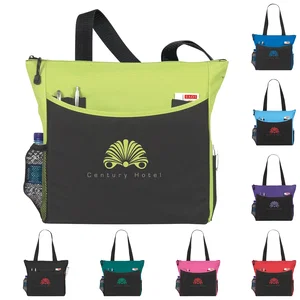
Two style details to decide alongside size: handle length (short handles for hand-carry, long handles to sling over a shoulder) and gusset (a flat tote lies slim; a gusseted bottom gives it a box-like base that stands up and holds more). For trade shows where attendees stuff the bag full of literature, a gusseted standard tote with shoulder-length handles is the sweet spot.
Screen Printing vs. Embroidery: How Are Custom Tote Bags Printed?
Your decoration method should follow your fabric and your run size. Screen printing uses one ink per screen, so preview how your logo reduces with our free one-color artwork tool before you commit to a method. Here's the practical breakdown:
| Method | Look | Best material | Best for |
|---|---|---|---|
| Screen printing | Bold, flat, opaque color | Cotton, canvas | Large bulk runs, 1–3 colors, lowest unit cost |
| Embroidery | Raised, textured, upscale | Heavier canvas | Upscale gifts, logos that should feel high-end |
| Heat / digital transfer | Full-color, photo-quality | Most fabrics | Complex art, gradients, short runs |
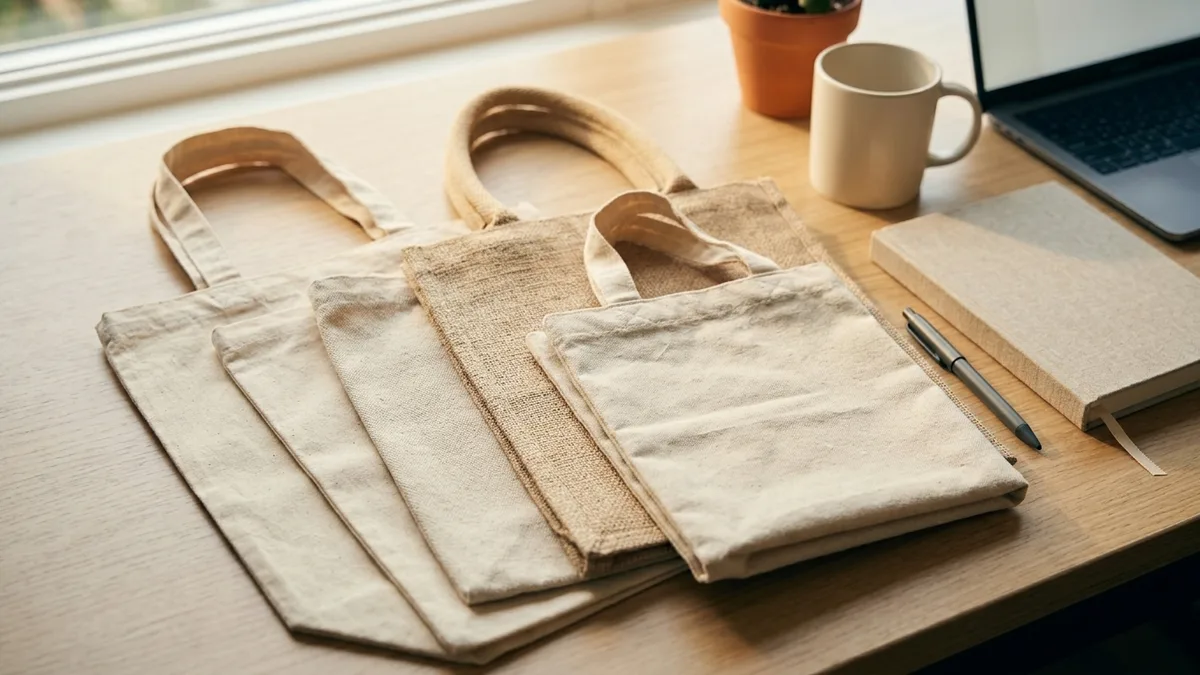
For most bulk orders, screen printing tote bags is the right call. It lays down crisp, bold color cheaply once you're past the setup, which is why it dominates high-volume giveaway runs. Reach for embroidery when the tote represents your brand at a top tier (client gifts, executive kits); the stitched, textured logo signals quality and survives years of washing on heavy canvas. Use heat or digital transfer when your artwork is full-color, photographic, or your run is small enough that screen-printing setup wouldn't pay off.
Custom Tote Bag Design Ideas That Get Reused
Design is where "ideas" usually means "restraint." The totes that get carried in public are the ones that look like a nice bag first and an ad second. A few layout ideas that consistently perform:
- Center the logo on the panel, or set it slightly above center so it isn't hidden by the bottom load. This is the safest, most legible placement.
- Limit to one or two brand colors. Screen printing is priced partly by color count, so a clean two-color mark saves money and looks sharper.
- Try an all-over or oversized print for a fashion-forward retail tote when you want the bag itself to be the statement.
- Add a small tagline or location ("Est.: your city") under the logo for a boutique, market, or event feel.
- Match the bag color to the fabric's strengths: natural cotton and jute read earthy and refined; bright non-woven totes pop for energetic event swag.
For multi-color or photographic concepts, lean on transfer printing; for a single bold mark at volume, a one- or two-color screen print on natural custom cotton totes is hard to beat on both cost and looks.
What Are Good Custom Tote Bag Ideas for Trade Shows and Events?
Trade show totes are one of the smartest swag plays because the bag advertises you the moment someone slings it on: every aisle they walk, your logo travels. To make trade show tote bags work hard:
- Size for the floor. A gusseted standard tote holds the brochures, samples, and badge holders attendees collect, so yours becomes the bag they actually use.
- Go high-contrast. A bold logo that reads from across the hall beats a subtle one nobody notices in motion.
- Tier your order. Budget cotton or non-woven for the broad crowd; heavy canvas for booth VIPs, partners, and sponsors.
- Make it genuinely useful so it leaves the venue and keeps working. A tote that's reused after the show outperforms a flyer every time.
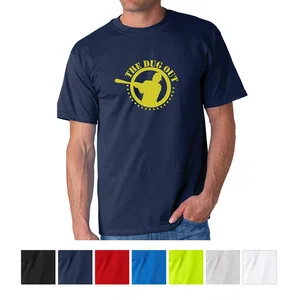
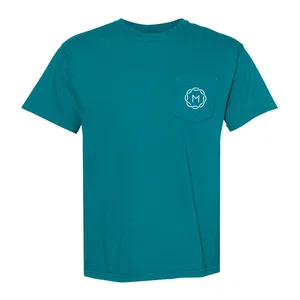
If you're weighing totes against other giveaway formats, our trade show swag guide puts bags in the wider context of what actually gets used and remembered, and the tax side of branded swag is worth a look before a big order. For the bag itself, a gusseted bulk promotional tote is the dependable choice. Totes also pair naturally with branded apparel in an event kit: many buyers bundle them with custom event tees, and our custom t-shirt design ideas cover how to keep the two pieces on-brand together.
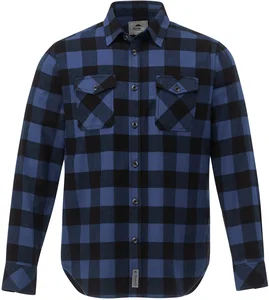
Pair Totes With Custom Tees
View all →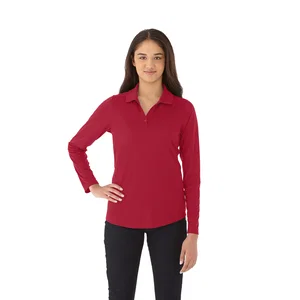

Are Reusable Tote Bags Actually Eco-Friendly?
"Eco-friendly" only holds up if the bag actually gets reused. The footprint of any reusable tote is amortized over its lifetime: a cotton or canvas tote earns its keep the more it displaces single-use bags, so the goal is a bag durable and likable enough to stay in weekly rotation (U.S. EPA, Recycling). That's a design directive, more than a marketing line. Pick a fabric weight and print that survive years of use, and the sustainability story takes care of itself.
A few eco-friendly tote bag ideas that hold up:
- Specify natural cotton or canvas: a renewable, biodegradable fiber gives you an honest sustainability message (Cotton Inc.).
- Choose jute or burlap when you want the eco look to be obvious at a glance, common for gourmet, market, and gift positioning.
- Make it durable on purpose: heavier fabric and a quality imprint mean more reuses per bag, which is the whole environmental point.
- Design for daily life so people genuinely want to carry it: the most sustainable tote is the one that doesn't sit in a closet.
The honest framing is reuse, not a fabricated "replaces 1,000 bags" stat. Spec a tote people love, and the reuse (and the impressions) follow.
How Do You Order Custom Tote Bags in Bulk?
Bulk ordering goes smoothly when you nail down the variables before art and quantity are locked. Our how-to-order walkthrough covers the proofing-to-delivery steps end to end. Run this checklist on any custom tote bags bulk order:
- Minimum order quantity (MOQ). Most promotional totes have a minimum; higher quantities lower the per-unit price, so know the breakpoints.
- Lead time. Build in time for proofing plus production and shipping. Rush options exist, but planning ahead is cheaper.
- Fabric weight. Confirm the ounces; a "cotton tote" can mean a flimsy 5 oz or a sturdy 8 oz, and recipients will notice the difference: request a free sample to feel the weight in hand before you commit.
- Imprint method, color count, and placement. These drive both cost and look. Lock the proof so the bag you receive matches the bag you approved.
- All-in unit cost. Get setup, decoration, and shipping rolled into one per-unit number so there are no surprises on the invoice.
A useful tactic is segmenting the order: heavyweight canvas tote bags for the audiences that matter most, and budget cotton or non-woven for broad-reach giveaways. Running both in a single campaign lets you cover both budgets. The same logic extends to a full kit. Drop a branded stainless steel tumbler into the canvas totes and the giveaway feels like a gift, not a freebie.
Add a Tumbler to Gift Kits
View all →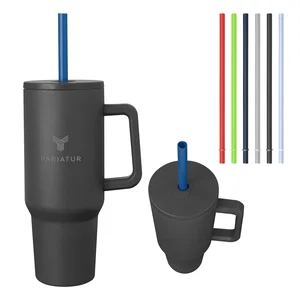

How Should You Brand Totes With Your Logo?
For B2B buyers, a tote is more than a giveaway. It's a brand surface that travels. To keep a custom logo tote bag on-brand:
- Supply vector art (or high-resolution files) so your logo prints crisp at any size. Our artwork guidelines spell out the file types and resolution that reproduce cleanly.
- Match your brand colors exactly: screen printing can hit specific ink colors, which keeps the tote consistent with the rest of your kit.
- Keep placement consistent across your branded line so the tote reads as part of a family, not a one-off.
- Choose the method that flatters your mark: bold flat logos screen-print beautifully; refined or detailed marks shine in embroidery on canvas.
Done well, every branded tote becomes a small, mobile billboard that reinforces recognition for years, which is exactly why promotional tote bags remain one of the highest-mileage items in a marketing kit.
Ready to brand your totes?
Frequently Asked Questions
What material is best for custom tote bags?
It depends on the use. Cotton is the versatile everyday choice for retail and giveaways, heavy canvas is best for upscale gifts and heavy-duty loads, non-woven polypropylene is the cheapest option for high-volume swag, and jute or burlap delivers a natural eco look. Cotton and canvas are the most popular for branded, reusable totes.
What is the standard size of a tote bag?
A standard promotional tote commonly measures about 15 inches wide by 16 inches tall. Mini or gift totes run smaller (around 6–8 inches), and grocery or shopper styles add a gusseted bottom for extra capacity. Choose the size by what recipients will carry.
What is the difference between cotton and canvas tote bags?
Both are cotton fabric. The difference is weight. Cotton totes are lighter (roughly 5–8 oz per square yard) for a soft, everyday feel, while canvas is woven heavier (10–12 oz or more) for a structured, heavy-duty bag. Canvas costs more but lasts longer and carries heavier loads.
How are custom tote bags printed, screen printing or embroidery?
Both, plus heat transfer. Screen printing is the most cost-effective for bold, large bulk logo runs. Embroidery adds an upscale, textured, durable mark that shines on heavier canvas. Heat or digital transfer handles full-color, photo-quality art and smaller runs. Screen printing is the volume default.
Are custom tote bags worth it for promotional giveaways?
Yes. Totes are among the most reused promotional products, which means repeat brand exposure. Because recipients carry them to work, the gym, and the store, a single branded tote generates impressions for years, giving it a strong cost-per-impression compared with disposable giveaways.
How many custom tote bags do I need to order (minimum order)?
Most promotional totes have a minimum order quantity, and the per-unit price drops as your quantity rises. Confirm the MOQ and the price breakpoints before you finalize, and decide your design and quantity up front so your quote reflects the bag you'll actually receive.
Are reusable tote bags actually eco-friendly?
Their benefit comes from repeated reuse: the more times a cotton or canvas tote replaces single-use bags, the better its footprint. Cotton is natural, renewable, and biodegradable, but the real win is choosing a durable, likable bag that stays in rotation for the long haul.
What is a non-woven tote bag and how is it different from canvas?
A non-woven tote is made from bonded polypropylene fibers (not a woven fabric), giving it a lightweight, slightly glossy feel at a very low cost. Canvas is woven cotton: heavier, sturdier, more upscale, and better for heavy loads and upscale branding. Non-woven is the budget pick for high-volume giveaways.
How much does it cost to customize tote bags in bulk?
Cost depends on fabric weight, decoration method, color count, and quantity, with per-unit price falling as volume rises. Ask for an all-in unit cost that bundles setup, decoration, and shipping so there are no surprises, and consider segmenting canvas and budget bags in one order.
What are good custom tote bag ideas for trade shows and events?
Pick a gusseted standard tote big enough to hold literature, print a bold high-contrast logo so it reads across the floor, and tier your order with heavy canvas for VIPs and budget bags for the crowd. A useful tote leaves the venue and keeps advertising long after the show.
Putting It All Together
The through-line for every one of these custom tote bag ideas is the same: spec the bag for the job, and it pays you back in reuse. Match the fabric to the load, the size to the contents, and the decoration to your run and your brand, and you end up with a tote people genuinely want to carry, which is where the impressions, the sustainability story, and the value all come from.
When you're ready, our team can help you match the exact fabric weight, imprint method, size, and quantity to your budget, and get you a quote with no surprises.
Shop Related Categories
Related Articles

Hat Sizes: How to Measure Your Head, a Full Hat Size Chart and What OS Means
A plain-English guide to hat sizes: how to measure your head in one minute, a full hat size chart in inches and centimeters, what OS means on a size label, and how to size hats for a group.
Types of Pens: How to Pick the Right One for Every Job (With a Free Cheat Sheet)
A chooser, not an encyclopedia: which pen to buy or hand out for each job, how pen tips and inks differ, head-to-head verdicts, left-handed tips and a free printable pen picker.
T-Shirt Size Chart: How to Measure and How Many of Each Size to Order
A T-shirt size chart with real chest and length measurements for two blank tees, a two-minute way to measure a shirt, and a paper worksheet for how many of each size to order for a group.

Custom Keychain Ideas: Materials, Styles & Bulk Buying
Custom keychain ideas for bulk brand giveaways: compare metal, leather, acrylic and silicone, weigh engraving against printing, and learn the minimums, costs, and lead times for ordering branded keychains in volume.