
Green Ribbon Meaning: What the Green Ribbon Stands For

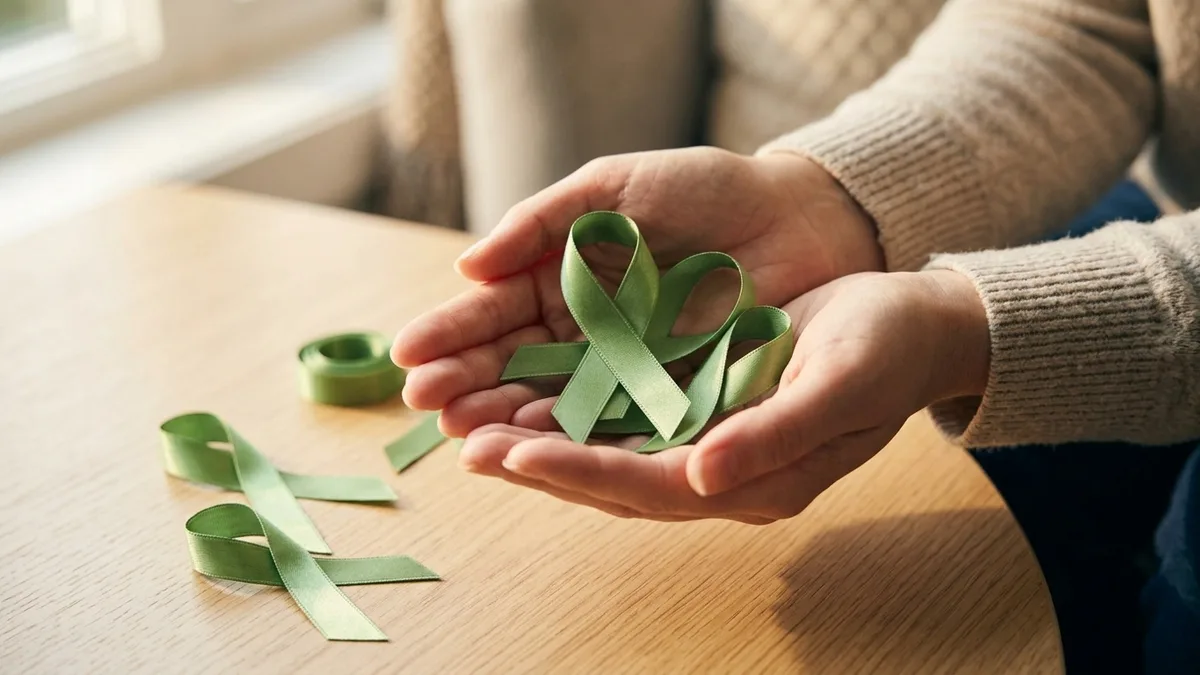
Looking up the green ribbon meaning? A green ribbon most often symbolizes mental health awareness. It is the international symbol of mental health support. The same color is also worn for organ, eye, and tissue donation, Lyme disease (shown in lime green), cerebral palsy, and kidney disease.
Because one color carries so many meanings, the exact message depends on context and shade. A green ribbon worn as a pin in spring may mark Lyme Disease Awareness Month or National Donate Life Month, while "Go Green for CP" turns the same color into a show of support for cerebral palsy in October. This guide walks through every major meaning of the green ribbon, explains how lime, dark, and light green differ, and clears up one common mix-up: kidney disease uses green, but kidney cancer uses orange.
Shop Green Awareness Wristbands
View all →
What Does a Green Ribbon Mean?
A green ribbon means support for mental health awareness above all: according to the Mental Health Foundation, "the green ribbon is the international symbol of mental health awareness." But green is a multi-cause color: it also stands for organ, eye, and tissue donation, cerebral palsy, kidney disease, and (in its lime-green shade) Lyme disease and lymphoma.
Here is the quick-reference version, by cause:
| Green ribbon cause | When it's most visible | Shade usually used |
|---|---|---|
| Mental health awareness | Year-round; observances vary | Green |
| Organ, eye & tissue donation | National Donate Life Month (April) | Green & blue |
| Lyme disease | Lyme Disease Awareness Month (May) | Lime green |
| Cerebral palsy | World Cerebral Palsy Day (October 6) | Green ("Go Green for CP") |
| Kidney disease | Year-round | Green |
| Lymphoma | Blood-cancer awareness | Lime green |

Green Ribbon for Mental Health Awareness
The green ribbon is the international symbol of mental health awareness, per the Mental Health Foundation. People wear it to show support for mental health, to start conversations that reduce stigma, or to remember someone they've lost.
The need is widespread. According to the CDC, about 23% (nearly 1 in 5) U.S. adults live with a mental health condition, and 6% (nearly 1 in 18) live with a serious mental health condition that significantly interferes with daily functioning. Wearing a green ribbon during Mental Health Awareness Month signals that you're a safe person to talk to and helps normalize asking for help.
Schools, workplaces, and nonprofits hand out green ribbons, custom silicone wristbands, and awareness pins at walks and campus events to keep the conversation going. (In the U.S., anyone in crisis can call or text 988, the Suicide & Crisis Lifeline.)
Green Ribbon for Organ, Eye & Tissue Donation
Green and blue are the official Donate Life colors for organ, eye, and tissue donation. The green ribbon (and the green-and-blue Donate Life symbol) represents the donors, recipients, and families who make transplantation possible.
The stakes are enormous. According to Donor Network West, a federally designated organ procurement organization, more than 100,000 people are on the U.S. national transplant waiting list, and 17 people die each day waiting for a transplant. Yet a single donor goes a remarkably long way:
- One organ donor can save up to 8 lives through transplantation.
- One donor can heal more than 75 people through tissue and cornea donation.
- Another name is added to the waiting list roughly every 8 minutes.
National Donate Life Month is observed every April, organized by Donate Life America, when green-and-blue ribbons, custom t-shirts, and registration drives appear at hospitals, campuses, and community events.
Lime Green Ribbon for Lyme Disease
A lime green ribbon represents Lyme disease. Lyme disease gets a dedicated awareness push every May, and the lime-green color was chosen to echo the green of the ticks that spread the infection.
Lyme disease is far more common than many people realize. According to the CDC, approximately 476,000 people are diagnosed and treated for Lyme disease each year in the United States, and over 89,000 cases were reported to the CDC by state health departments in 2023. The gap between those numbers is why awareness campaigns (and the lime green ribbon) matter: many cases never make it into formal surveillance.
In May, advocacy groups distribute lime green ribbons, wristbands, and tote bags at clinics, trailheads, and community fairs to promote tick-bite prevention and early detection.
Green Ribbon for Cerebral Palsy
Green is the awareness color for cerebral palsy (CP), rallied around the slogan "Go Green for CP." According to the CDC, cerebral palsy "is the most common motor disability in childhood." About 1 in 345 children in the United States have been identified with CP, per CDC Autism and Developmental Disabilities Monitoring (ADDM) Network estimates.
World Cerebral Palsy Day is observed every October 6, when landmarks light up green and supporters wear green ribbons, custom apparel, and wristbands. The green ribbon here is about visibility and inclusion, celebrating people living with CP and pushing for accessible schools, workplaces, and communities.
Green Ribbon for Kidney Disease
The green ribbon also represents kidney disease, worn by people who live with kidney disease, are on dialysis, have received a kidney transplant, or have donated a kidney. It is a frequent sight at dialysis centers, transplant anniversaries, and living-donor campaigns.
The condition is common and badly under-recognized. According to the CDC, more than 1 in 7 American adults (about 35.5 million people) have chronic kidney disease, and as many as 9 in 10 of them do not know they have it. That awareness gap is exactly what the green ribbon is meant to close.
One important distinction for campaign organizers:
- Kidney disease (and kidney transplant / living donation) uses the green ribbon.
- Kidney cancer uses the orange ribbon: see our orange ribbon meaning guide for that cause and its awareness month.
Pairing your ribbon with a short label ("Kidney Disease Awareness," "Living Donor") removes any doubt about which cause you're supporting.
What Cancer Is the Green Ribbon For?
Green is not one of the main cancer-awareness colors, but it does appear for a few specific cancers. The clearest is lymphoma, which, like Lyme disease, is represented by a lime green ribbon (the National Foundation for Cancer Research notes lime green raises awareness for non-Hodgkin lymphoma). Some organizations also adopt darker shades of green, such as emerald, for liver cancer, so always check the sponsoring organization for the exact cause and shade.
Two reminders to keep your colors straight:
- Lymphoma → lime green. (Leukemia, the other major blood cancer, uses orange.)
- Kidney cancer → orange, not green. Green is reserved for kidney disease.
When in doubt, the safest approach is to print the cancer name directly on the ribbon or item so no one has to guess.
Why Are People Wearing Green Ribbons Right Now?
When green ribbons suddenly appear on lapels, storefronts, or social media, it most often signals mental health awareness: the green ribbon's primary meaning. Because the color carries several causes, the calendar usually tells you which one:
- Worn in April: most likely National Donate Life Month (organ, eye & tissue donation).
- Worn in May: likely Lyme Disease Awareness Month (look for the lime-green shade) or Mental Health Awareness Month.
- Worn around October 6: World Cerebral Palsy Day, "Go Green for CP."
- Worn at vigils or after a public loss: mental health support and remembrance.
- At a dialysis center, hospital, or transplant event: kidney disease or organ donation.
If you're not sure, it's always fine to ask. Sparking that conversation is exactly what an awareness ribbon is designed to do.
Light Green vs. Dark Green vs. Lime Green Ribbons
Ribbon shades aren't officially regulated, so meanings overlap, but here's how the most common greens are generally used:
- Lime green: Lyme disease, lymphoma, and several muscular conditions such as muscular dystrophy. The bright, yellow-green shade is the giveaway.
- Green / kelly green: mental health awareness, cerebral palsy ("Go Green for CP"), and kidney disease.
- Dark / emerald green (often with blue): organ, eye, and tissue donation under the Donate Life banner; some groups also use emerald tones for liver cancer.
Because the same shade can serve multiple causes, the single most effective thing you can do is pair the ribbon with a short cause name or date. That one step removes the guesswork for everyone who sees it.
Green vs. Other Awareness Ribbon Colors
Not sure green is the right color for your cause? Here's how it compares with the other most-searched ribbon colors, and see our complete guide to awareness ribbon colors and months for the full chart and calendar:
| Ribbon color | Best-known causes | Learn more |
|---|---|---|
| Green | Mental health, organ donation, Lyme disease, cerebral palsy, kidney disease | This guide |
| Yellow | Military support, suicide prevention, childhood cancer | Complete guide to yellow awareness ribbons |
| Pink | Breast cancer awareness | Complete guide to pink awareness ribbons |
| Orange | Leukemia, kidney cancer, MS, gun-violence awareness | What the orange ribbon stands for |
One color can serve many causes, so pair your ribbon with a message, event name, or date whenever possible. It removes the guesswork for everyone who sees it.
How to Show Support with a Green Ribbon
Ready to put the symbol to work? Here are the most effective ways to participate, and the products awareness campaigns reach for most:
- Wear it visibly. A green ribbon pin, custom wristband, or branded lanyard sparks the "what does your green ribbon mean?" conversations that drive awareness.
- Distribute ribbons at events. Partner with local nonprofits to hand out custom ribbons at walks, clinics, and campus fairs, with a card naming the cause.
- Outfit a team or fundraiser. Custom t-shirts and cotton tote bags turn a Donate Life drive or "Go Green for CP" walk into a sea of green.
- Fundraise with branded merchandise. Awareness organizations routinely sell custom pins, branded keychains, and everyday giveaway items to fund research, education, and support services. Our nonprofit fundraising ideas round up more proven sellers.
Buying tips for green awareness merchandise:
- Match the shade to the cause. Lime green for Lyme disease and lymphoma; kelly green for mental health, CP, and kidney disease; green-and-blue for Donate Life.
- Print the cause on the item. A ribbon plus three words ("Mental Health Matters," "Go Green for CP," "Donate Life") doubles its clarity. Our artwork guidelines cover file setup and print-ready green tones.
- Order for the calendar. April (organ donation), May (Lyme disease + mental health), and early October (cerebral palsy) are peak distribution windows. Request free samples to check the shade, then start your order 3-4 weeks ahead.
- Choose wearables for events, stationary items for offices. Pins and wristbands travel; ribbons and desk items anchor a workplace campaign.
Shop Awareness Pins & Lapel Pins
View all →




Frequently Asked Questions About Green Ribbons
What does a green ribbon mean?
A green ribbon is the international symbol of mental health awareness. The same color also represents organ, eye, and tissue donation (with blue), Lyme disease (in lime green), cerebral palsy, and kidney disease. The specific cause usually depends on the shade, the month, and the context.
What does it mean if someone wears a green ribbon?
Most often, it means they support mental health awareness or are honoring someone affected by a mental health condition. Depending on the season, it may also signal support for organ donation (April), Lyme disease awareness (May), or cerebral palsy (around October 6).
Why are people wearing green ribbons today?
Sudden, widespread green-ribbon displays usually track mental health awareness or one of green's seasonal causes: National Donate Life Month in April, Lyme Disease Awareness Month in May, or World Cerebral Palsy Day on October 6. If it's unclear, it's perfectly fine to ask.
What conditions use a green ribbon?
Mental health conditions, kidney disease, and cerebral palsy all use a green ribbon, and organ, eye, and tissue donation uses green with blue. In its lime-green shade, the ribbon represents Lyme disease, lymphoma, and several muscular conditions.
What cancer is the green ribbon for?
Green isn't a primary cancer color, but lime green represents lymphoma, and some organizations use darker greens (such as emerald) for liver cancer. Note that kidney cancer uses orange, not green, and leukemia uses orange as well.
What does a light green ribbon mean versus a dark green ribbon?
Shades aren't strictly standardized, but lime (light) green typically marks Lyme disease and lymphoma, kelly green marks mental health, cerebral palsy, and kidney disease, and darker or emerald green (often with blue) marks organ, eye, and tissue donation.
Is the green ribbon for kidney disease?
Yes. The green ribbon represents kidney disease and is worn by people who have kidney disease, are on dialysis, have had a kidney transplant, or are living kidney donors. Kidney cancer, by contrast, uses the orange ribbon.
What does the green ribbon mean for mental health?
For mental health, the green ribbon is the international symbol of awareness and support. Wearing it signals that you stand with people living with mental health conditions, that you're a safe person to talk to, or that you're remembering someone you've lost.
Rallying your community around a cause?
Conclusion
The green awareness ribbon is one symbol with many meanings (mental health awareness first and foremost, plus organ, eye, and tissue donation, Lyme disease, cerebral palsy, and kidney disease), all united by a shared goal: making an invisible struggle visible.
Wear a green ribbon for a loved one's mental health, register as an organ donor in April, go green for cerebral palsy in October, or hand out lime-green ribbons at a May Lyme-awareness fair, and you're joining a movement built on one simple act: starting a conversation. Pair your ribbon with a clear cause name, and you'll never leave anyone guessing what your green stands for.
Sources: Mental Health Foundation: Green Ribbon; CDC: About Mental Health; CDC: Lyme Disease Data & Statistics; CDC: About Chronic Kidney Disease; CDC: Cerebral Palsy Data & Research; CDC ADDM Network: Cerebral Palsy Data (archive); Donor Network West: Organ Donation Facts & Statistics; National Foundation for Cancer Research: Cancer Ribbon Colors.
Shop Related Categories
Related Articles

Football Quotes: Who Really Said the Famous Ones (Plus Game-Day Sayings)
Famous football quotes checked against the record, with the sources we could find, the lines nobody can trace, and original short sayings for rally towels, foam fingers, cups, shirts and signs.

Basketball Team Names: 150+ Original Ideas for Every Kind of Team
More than 150 original basketball team name ideas sorted by team type: funny, cool, youth, women's, co-ed, rec league, church and work teams, plus a checklist for choosing one your whole roster likes.

Friendsgiving Ideas: How to Plan, Host and Send Guests Home Happy (at Home or at Work)
A planner's guide to Friendsgiving for friends or coworkers: a potluck signup plan, what to assign each guest, easy games, a table-setup checklist, and take-home favors people actually keep.

Veterans Day Coloring Pages: Free Printable Sheets for Kids and Classrooms
These free Veterans Day coloring pages give kids and classrooms 12 original designs to print, from a thank-you flag and a red poppy to a word search, a fold-over card and a letter of thanks for a veteran.