
The Complete Guide to Pink Awareness Ribbons


When you see someone wearing a pink ribbon, what immediately comes to mind? For most people, it's breast cancer awareness. But here's what many don't realize. The pink awareness ribbon represents far more than just one cause. From pregnancy and infant loss to male breast cancer and cosmetic safety advocacy, this internationally recognized symbol carries multiple powerful meanings.
In this blog post, we'll explore the complete pink ribbon meaning: from its grassroots origins with Charlotte Haley's peach ribbons to today's worldwide awareness campaigns. You'll discover why October turns pink each year, what the different shades represent (including hot pink for inflammatory breast cancer), and how screening and early detection have helped push breast cancer death rates down. Got questions like "what does a pink ribbon mean?", "what cancer is the pink ribbon for?", or "how can I support pink ribbon causes?" This resource answers them all while providing actionable ways to make a difference.
Have you ever wondered what does a pink ribbon mean when you see someone wearing one in October? Perhaps you've asked yourself what does the pink ribbon stand for beyond breast cancer, or what is the pink ribbon for exactly? You're definitely not alone. The pink awareness ribbon is one of the most recognized symbols worldwide, yet many people don't realize it represents multiple important causes.
The pink ribbon meaning has evolved significantly since its creation in the early 1990s. While most people immediately associate the pink ribbon with breast cancer awareness, this powerful symbol actually represents many different causes related to women's health, infant loss, and other medical conditions. What does a pink ribbon mean in different contexts? It depends on timing, additional colors, and the specific awareness campaign.
In this blog post, our team has made an effort to answer all your questions related to pink ribbon meaning: from what cancer does the pink ribbon represent to the many other vital causes this symbol supports. You'll find complete information here for honoring someone affected by breast cancer, supporting infant loss awareness, or simply understanding what the pink ribbon stands for when you see it displayed.
Shop Custom Awareness Wristbands
View all →

What does the pink ribbon mean?
The pink ribbon meaning represents awareness and support for multiple critical health causes. The pink ribbon is most universally recognized as the symbol for breast cancer awareness, but it also represents pregnancy and infant loss, male breast cancer, birth defects, women's health advocacy, and cosmetic safety awareness.
The American Cancer Society estimates that in 2026 about 321,910 new cases of invasive breast cancer will be diagnosed in US women, along with about 60,730 new cases of ductal carcinoma in situ (DCIS), and that about 42,140 women will die from breast cancer. These numbers highlight why pink ribbon campaigns remain essential for public education and research funding.
The color pink was specifically chosen because it captures attention while representing femininity, hope, compassion, and determination: qualities that embody the fight against breast cancer and related conditions. The National Breast Cancer Foundation reports that 1 in 8 women in the United States will be diagnosed with breast cancer in her lifetime, making awareness efforts crucial for early detection and improved survival rates.
Where did the pink ribbon come from?
The pink ribbon grew out of Charlotte Haley's handmade peach ribbons in 1991 and was turned pink by Self Magazine and Estée Lauder in 1992.
The pink ribbon has a fascinating grassroots origin story. In 1991, Charlotte Haley (a breast cancer survivor whose grandmother, sister, and mother all had breast cancer) began making peach-colored ribbons by hand. She attached them to cards asking people to wear the ribbon and press lawmakers to spend more of the national cancer budget on prevention.
Haley's activism caught the attention of Self Magazine and cosmetics giant Estée Lauder. When they approached her about using her peach ribbon, Haley declined, not wanting to commercialize her grassroots advocacy. For legal reasons, Self Magazine and Estée Lauder created a ribbon in a different color, pink, and distributed it during Breast Cancer Awareness Month in October 1992.
The pink ribbon quickly became the international symbol of breast cancer awareness. Susan G. Komen, which had used pink since its inception in 1982, later developed their distinctive "running ribbon" logo in 2007 to represent founder Nancy Brinker's promise to her dying sister Susan to end breast cancer forever.
What causes does the pink ribbon represent?
Is the pink ribbon for breast cancer?
Yes, the pink cancer ribbon is most widely recognized for breast cancer awareness. Breast cancer is the most common cancer diagnosed in American women, except for skin cancers, and the American Cancer Society puts it at about 1 in 3 new cancers in women each year.
October is Breast Cancer Awareness Month, when awareness events and fundraising campaigns peak nationwide. The National Breast Cancer Foundation reports that when breast cancer is caught in its earliest, localized stages, the 5-year relative survival rate is over 99%. That figure demonstrates why awareness campaigns save lives. Early detection through mammograms and self-exams dramatically improves outcomes.
The American Cancer Society reports that the breast cancer death rate fell 44% from 1989 through 2023, a drop it links to earlier detection through screening and better treatment. Organizations like Susan G. Komen, the National Breast Cancer Foundation, and the American Cancer Society use pink ribbons prominently in their campaigns, which fund research and support services.
However, significant disparities persist. According to the National Breast Cancer Foundation, Black women are 38% more likely to die from breast cancer than White women, and 1 in 5 Black women with breast cancer are diagnosed with triple-negative breast cancer, an aggressive type.
What does a pink and blue ribbon mean?
A pink and blue ribbon stands for pregnancy and infant loss awareness, and it is also used for male breast cancer.
The pink and blue ribbon represents one of the most heartbreaking causes: pregnancy and infant loss awareness. This includes miscarriage, stillbirth, neonatal death, SIDS (Sudden Infant Death Syndrome), and other infant-related losses that touch many families every year.
January is Birth Defects Awareness Month, when the pink and blue ribbon gains special prominence. According to the Centers for Disease Control and Prevention, 1 in 33 babies is born with a birth defect in the U.S. each year. These conditions can range from heart defects and cleft palate to spina bifida and Down syndrome.
October also holds special significance for infant loss awareness, particularly October 15, which is Pregnancy and Infant Loss Remembrance Day. The pink and blue ribbon honors grieving parents and raises awareness about the emotional and medical challenges surrounding pregnancy complications and infant mortality.
The combination of pink and blue carries deep emotional significance, representing both genders and acknowledging that infant loss affects entire families, beyond mothers alone. Organizations like the March of Dimes use this symbol to promote research into preventing premature births, birth defects, and infant mortality.
Can men get breast cancer?
Yes, men can get breast cancer too, though it's rare. The American Cancer Society estimates that fewer than 1% of breast cancers in the US occur in men, and that in 2026 about 2,670 men will be diagnosed with invasive breast cancer and about 530 men will die from it.
The pink and blue ribbon represents male breast cancer awareness, acknowledging that this disease doesn't discriminate by gender. Men are typically diagnosed at later stages because they're less likely to notice lumps in breast tissue and may not be aware they can develop breast cancer.
Male breast cancer often carries additional stigma because of the association between pink ribbons and femininity. The pink and blue ribbon helps normalize conversations about men's breast health while honoring male survivors and those lost to the disease.
What does a hot pink ribbon mean?
A hot pink ribbon stands for inflammatory breast cancer (IBC), a rare and aggressive form of the disease. According to the National Cancer Institute, 1% to 5% of all breast cancers in the United States are inflammatory breast cancer. Unlike typical breast cancers that present as lumps, IBC causes the breast to become red, swollen, and warm, often resembling an infection.
The hot pink ribbon represents inflammatory breast cancer awareness, distinguishing it from the standard pink ribbon for general breast cancer. Because IBC grows quickly and is often misdiagnosed initially as mastitis or another infection, awareness is critical for early recognition and treatment.
The Inflammatory Breast Cancer Research Foundation is dedicated solely to this aggressive cancer type, using the hot pink ribbon to educate healthcare providers and the public about IBC's unique symptoms and the urgent need for specialized research.
Does the pink ribbon stand for women's health and cosmetic safety?
Yes, the pink ribbon is also used for general women's health advocacy and for campaigns pushing for safer cosmetics.
Beyond specific diseases, the pink ribbon also symbolizes general women's health advocacy and cosmetic safety awareness. In 2002, Breast Cancer Action launched their "Think Before You Pink" campaign to combat "pinkwashing": when companies claim to care about breast cancer by promoting pink ribbon products while simultaneously using chemicals linked to cancer in their products.
The campaign particularly targeted cosmetics companies like Avon, Revlon, and Estée Lauder for using known or suspected carcinogens like parabens and phthalates in their products while profiting from breast cancer awareness campaigns. This aspect of pink ribbon activism emphasizes that awareness should lead to prevention, beyond treatment alone.
Organizations promoting cosmetic safety use the pink ribbon to advocate for stricter regulations, safer ingredients, and transparency in the beauty industry. They argue that truly supporting women's health means eliminating environmental and chemical contributors to breast cancer, beyond raising money after diagnoses occur.
What other causes use a pink ribbon?
The pink ribbon also represents eosinophilic diseases, breastfeeding support, and Paget's disease of bone:
- Eosinophilic diseases: Disorders that occur when the body produces too many eosinophils, cellular components in blood that can damage organs and tissues when present in excessive amounts.
- Breastfeeding support: Pink ribbons advocate for nursing mothers' rights, including workplace accommodations, public breastfeeding acceptance, and barrier removal for mothers who choose to breastfeed.
- Paget's disease of bone: A chronic disease that disrupts normal bone remodeling, causing bones to become abnormally shaped, weakened, and brittle.
When should you wear a pink ribbon?
The pink ribbon has several key awareness observances throughout the year:
- January: Birth Defects Awareness Month (pink and blue ribbon)
- October: Breast Cancer Awareness Month, Pregnancy and Infant Loss Remembrance Day (October 15)
- Year-round: Any time to support breast cancer survivors, honor those lost, or advocate for women's health
October is undoubtedly the most visible month for pink ribbons, with everything from NFL players wearing pink accessories to buildings illuminated in pink lighting. However, breast cancer doesn't take months off, and survivors and advocates wear pink ribbons throughout the year.
How can you support pink ribbon causes?
You can support pink ribbon causes by wearing ribbon items, giving to credible charities, joining events, getting screened, and sharing accurate information.
Should you wear pink ribbon products?
Yes, wearing a pink ribbon item is a simple way to show support and open a conversation.
During awareness months, wearing pink ribbon merchandise like pins, wristbands, or apparel shows solidarity and starts conversations. When someone asks about your ribbon, you have the opportunity to educate them about breast cancer screening, early detection, or infant loss support.
A simple pink ribbon pin can prompt a friend to schedule their overdue mammogram or encourage a grieving parent to seek support.
Where should you donate?
Donate to established organizations that publish clear financial reports.
Financial contributions support research, education, and direct services for those affected by breast cancer and related causes. However, it's crucial to donate wisely. Organizations like Susan G. Komen, the National Breast Cancer Foundation, and the Breast Cancer Research Foundation have strong track records of funding research and support services.
Before donating, research where your money goes. Some pink ribbon products donate only a tiny percentage to actual breast cancer causes, a practice known as "pinkwashing." Look for organizations that are transparent about their financials and research impact.
Which awareness walks and events can you join?
You can join walks such as Komen's Race for the Cure, Making Strides Against Breast Cancer, or a local fundraiser. These gatherings create community impact while raising substantial funds for research and support services.
These events also provide emotional support for survivors and families affected by breast cancer. The shared experience of walking together creates powerful connections and reminds participants they're not alone in their journey.
When should women get screened?
Women should ask their doctor when to start regular mammograms, based on their age and personal risk.
One of the most important ways to support breast cancer awareness is getting regular screenings. Women with higher risk factors (including family history, genetic mutations like BRCA1/BRCA2, or previous chest radiation) should discuss earlier or more frequent screening with their doctors.
Encourage the women in your life to get screened. According to the National Breast Cancer Foundation, women who receive regular screenings for breast cancer have a 26% lower breast cancer death rate than women who do not receive screenings. Early detection truly saves lives.
How can you share accurate information?
Share posts from medical and charity sources rather than unverified claims.
Use social media to spread awareness about breast cancer screening, early detection signs, and support resources. Share posts from reputable organizations using hashtags like #PinkRibbon, #BreastCancerAwareness, #EarlyDetectionSavesLives, and #ThinkBeforeYouPink.
Combat misinformation by sharing evidence-based information from medical sources. Help people understand what to look for, when to get screened, and where to find support if diagnosed.
What pink ribbon products work for awareness campaigns?
Pins, wristbands, ribbons, lanyards and printed handouts are the easiest pink ribbon items to hand out at events.
At Promotional Product Inc., we offer pink ribbon products designed to maximize awareness impact for breast cancer and related causes:
- Lapel pins and buttons: explore buttons and lapel pins that spark conversations and show support
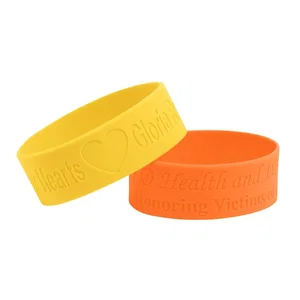
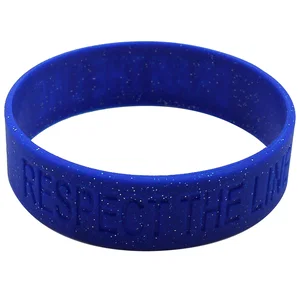
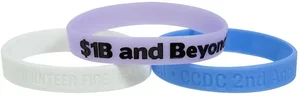
- Custom silicone wristbands: debossed and color-filled silicone wristbands provide extended visibility well beyond awareness months
- Awareness ribbons and lanyards: promotional ribbons and lanyards tie an entire event together
- Themed keepsakes: items like the Awareness Ribbon Retractable Badge Reel and Pink Ribbon Squeezies Stress Reliever keep awareness visible daily
- Educational handouts: the Breast Cancer Early Detection Bookmark turns giveaways into screening reminders
According to the Advertising Specialty Institute's 2024 Ad Impressions Study, promotional products are a low-cost way to keep a message in front of people, which suits awareness campaigns that need to be seen and remembered.
Planning a walk, fundraiser, or October campaign? Pairing pink awareness items with a clear early-detection message multiplies their impact. For broader campaign planning, see our guides on what promotional products are and how they work and promotional gift ideas for business.
Plan your pink ribbon awareness campaign
Frequently asked questions
Can I wear a pink ribbon if I haven't had breast cancer personally?
Yes, anyone can wear a pink ribbon to show support for those affected by breast cancer, honor survivors, remember loved ones lost, or advocate for research funding. You don't need a personal diagnosis to participate in awareness efforts. Many people wear them to support family members, friends, or colleagues going through treatment, or simply to promote early detection and education in their communities.
What's the difference between light pink and hot pink ribbons?
Light pink or standard pink ribbons represent general breast cancer awareness and are used during Breast Cancer Awareness Month. Hot pink ribbons specifically represent inflammatory breast cancer (IBC), a rare and aggressive form that requires specialized awareness because it presents differently than typical breast cancers, with redness, swelling, and warmth rather than lumps.
Where can I get financial help for breast cancer treatment?
Several charities offer financial help for treatment, medication, and related expenses. The American Cancer Society provides lodging assistance through Hope Lodge facilities and transportation help. The Patient Advocate Foundation offers co-pay relief programs. CancerCare provides financial assistance grants for treatment-related costs. The Pink Fund helps with non-medical expenses like rent and utilities during treatment. Local cancer centers often have social workers who can connect you with resources.
What's the appropriate way to support someone just diagnosed?
The best way to support someone just diagnosed is to offer practical help and listen. Avoid phrases like "everything happens for a reason" or "stay positive." These can feel dismissive. Instead, offer specific help: "Can I bring dinner Tuesday?" or "May I drive you to treatment Friday?" Listen without trying to fix things. Don't share stories about others who died from cancer. Respect their privacy if they're not ready to discuss details. Send cards or texts saying you're thinking of them without requiring responses during overwhelming times.
Do pink ribbons represent breast cancer awareness internationally?
While pink ribbons are recognized worldwide, some countries have different primary awareness symbols or colors. In the UK, Australia, and Canada, pink ribbons are standard. However, cultural approaches to discussing breast cancer vary significantly. Some cultures find public awareness campaigns inappropriate or uncomfortable. Despite these differences, October is observed as Breast Cancer Awareness Month in most developed countries with pink-focused campaigns.
Can men do breast self-exams, and what should they look for?
Yes, men should perform occasional breast self-checks, especially those with family history of breast cancer or BRCA mutations. Men should check for lumps under the nipple and areola, skin changes, nipple retraction, discharge, or swelling. Because male breast cancer is rare, lumps are often dismissed as benign by both patients and doctors, leading to later-stage diagnoses. Any persistent lump or change should be evaluated by a healthcare provider.
Why does the pink ribbon still matter?
The pink ribbon still matters because it keeps screening, research and support in the public eye.
The pink awareness ribbon stands as one of the most recognized health awareness symbols in the world, representing breast cancer awareness and numerous other vital women's health causes. Understanding what the pink ribbon represents empowers you to participate meaningfully in campaigns that have helped save lives through increased screening, earlier detection, and breakthrough treatments.
For how pink compares to every other cause color, see our complete guide to awareness ribbon colors and months.
The pink ribbon meaning encompasses much more than awareness. It represents tangible progress: the American Cancer Society reports a 44% fall in the breast cancer death rate from 1989 through 2023, helped by awareness efforts that encouraged mammograms, funded research, and taught women about early detection.
Yet significant challenges remain. Tens of thousands of American women still die from breast cancer each year, Black women still face a higher risk of dying from it, and infant loss still touches many families. These realities remind us why pink ribbon advocacy must continue with renewed commitment.
What does the pink ribbon stand for? It stands for mothers who survived breast cancer and watched their children grow up. It stands for fathers who fought male breast cancer against stigma and limited awareness. It stands for parents grieving infant losses while advocating for better research and support. It stands for activists demanding cosmetic safety and cancer prevention, beyond treatment alone. It stands for researchers working toward cures and survivors supporting newly diagnosed women through the scariest moments of their lives.
Your participation matters. Every pink ribbon worn, every dollar donated to credible organizations, every conversation started, every woman encouraged to get screened, and every social media post shared contributes to movements that transform lives. However you engage, honoring survivors, remembering loved ones lost, or advocating for those currently facing diagnosis, the pink ribbon represents hope, strength, and our collective determination to end breast cancer and support women's health.
Ready to make a difference? Explore our promotional ribbons, custom keychains, and other pink awareness items, and discover how promotional materials amplify awareness campaigns to maximize your impact during October and year-round. Looking for more ideas to rally your team or community? Our guide to boosting morale and retention with promotional products shows how the same items build connection inside your organization. Together, we can continue that progress and work toward a future where breast cancer no longer threatens the women we love.
Shop Related Categories
Related Articles

Football Quotes: Who Really Said the Famous Ones (Plus Game-Day Sayings)
Famous football quotes checked against the record, with the sources we could find, the lines nobody can trace, and original short sayings for rally towels, foam fingers, cups, shirts and signs.

Basketball Team Names: 150+ Original Ideas for Every Kind of Team
More than 150 original basketball team name ideas sorted by team type: funny, cool, youth, women's, co-ed, rec league, church and work teams, plus a checklist for choosing one your whole roster likes.

Friendsgiving Ideas: How to Plan, Host and Send Guests Home Happy (at Home or at Work)
A planner's guide to Friendsgiving for friends or coworkers: a potluck signup plan, what to assign each guest, easy games, a table-setup checklist, and take-home favors people actually keep.

Veterans Day Coloring Pages: Free Printable Sheets for Kids and Classrooms
These free Veterans Day coloring pages give kids and classrooms 12 original designs to print, from a thank-you flag and a red poppy to a word search, a fold-over card and a letter of thanks for a veteran.