
Breast Cancer Awareness Month: Dates, Pink Out & Ideas

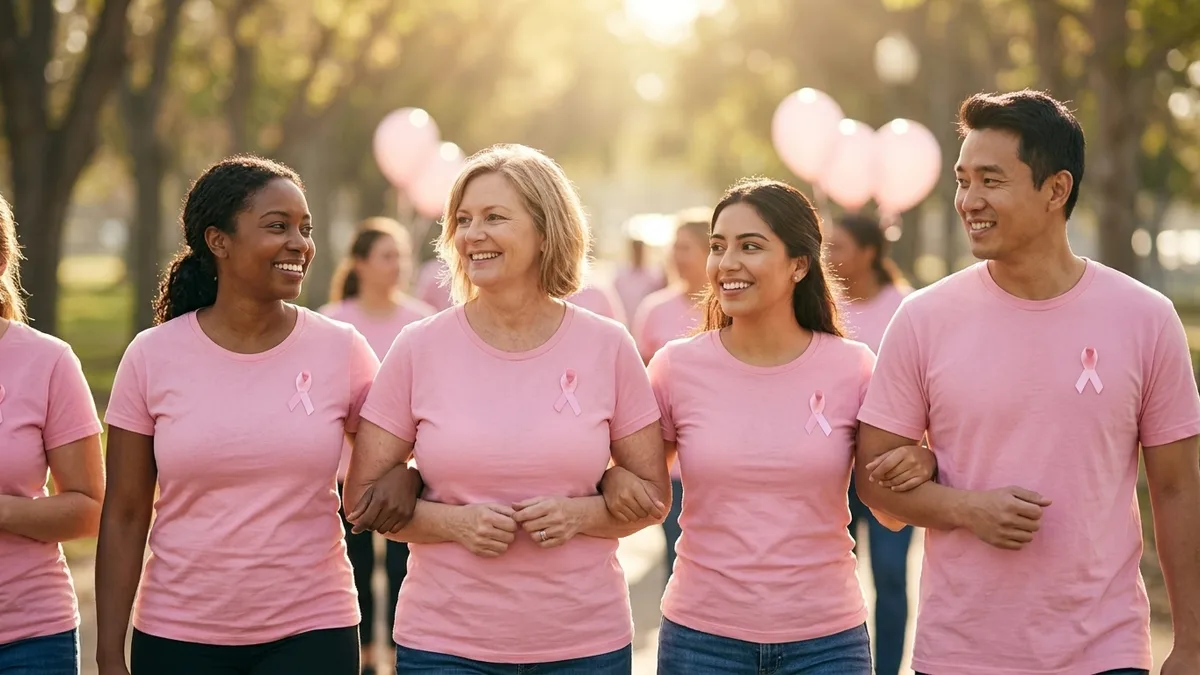
Breast Cancer Awareness Month is observed every October (October 1–31) in the United States: a movement held since 1985, marked by the pink ribbon, that rallies businesses, schools, and nonprofits to support screening, research, and patients. For organizations, it's the single biggest window of the year to run a pink campaign or fundraiser.
This guide is built for the people planning those campaigns. Below you'll find the key October dates, the history of why October, what Pink Out Day is, and practical workplace and fundraising ideas, plus the bulk products that turn a team into a movement. For the medical details on screening and risk, we link the CDC and WHO directly.
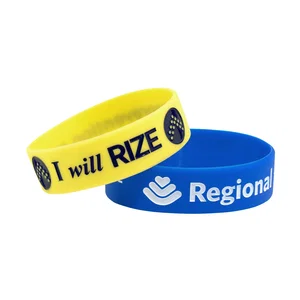
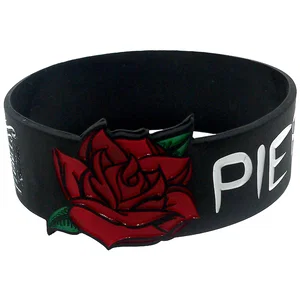
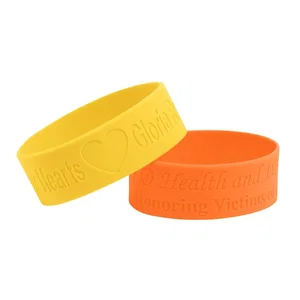
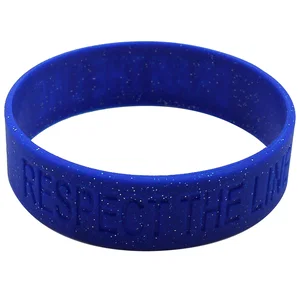
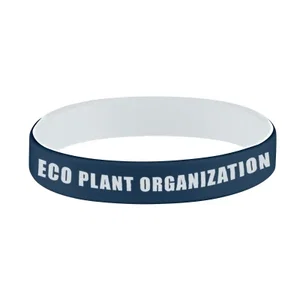
Pink Out Day Wristbands for Your Team
View all →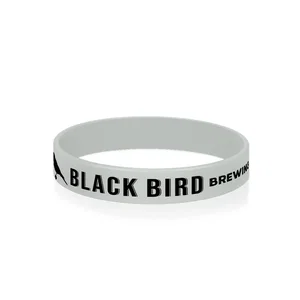
When Is Breast Cancer Awareness Month?
The month runs the full calendar of October every year, so the dates don't shift. But a couple of key moments inside it are worth planning your campaign around. Use the table below to time your activities.
| Date | What it marks |
|---|---|
| October 1–31 | Breast Cancer Awareness Month (United States) |
| Third Friday of October | National Mammography Day: schedule a screening mammogram |
| A chosen "Pink Out" day in October | Teams, schools, and stadiums wear pink together (see below) |
Because the month never moves, organizations can lock in artwork, order custom merchandise, and schedule a fundraiser the same way every year. Request free samples to confirm the right shade of pink, then place your bulk order in September so products arrive before the October 1 kickoff.
Why Is October Breast Cancer Awareness Month?
National Breast Cancer Awareness Month has been observed since 1985: it began that year as a week-long awareness campaign by the American Cancer Society in partnership with Imperial Chemical Industries (Breastcancer.org), and in that time the pink ribbon grew into a globally recognized emblem of solidarity. The "why October" answer is simply tradition and continuity: four decades of campaigns, walks, and pink-out events have made the month a fixed point on the calendar that the public, the media, and employers all recognize.
That recognition is exactly why October works so well for organizations. When your audience already associates the month, and the color pink, with the cause, a campaign needs far less explaining and far more participation.
The scale of the disease is what keeps the month relevant:
| Metric | Figure | Source |
|---|---|---|
| U.S. women lifetime risk | About 1 in 8 (~13%) | American Cancer Society |
| U.S. new breast cancers (2023) | 288,494 | CDC |
| U.S. breast cancer deaths (2024) | 43,402 | CDC |
| Global diagnoses (2024) | About 2.4 million women | WHO |
| Global deaths (2024) | About 694,000 | WHO |
Breast cancer is the second most common cancer among U.S. women and the second leading cause of cancer death (it is the leading cause of cancer death for non-Hispanic Black women and Hispanic women), per the CDC. Globally, the WHO reports an estimated 2.4 million women diagnosed with breast cancer in 2024, and the WHO's International Agency for Research on Cancer projects that by 2050 there will be 3.2 million new breast cancer cases and 1.1 million breast cancer-related deaths per year.
Pink Out Day & Ways to Participate
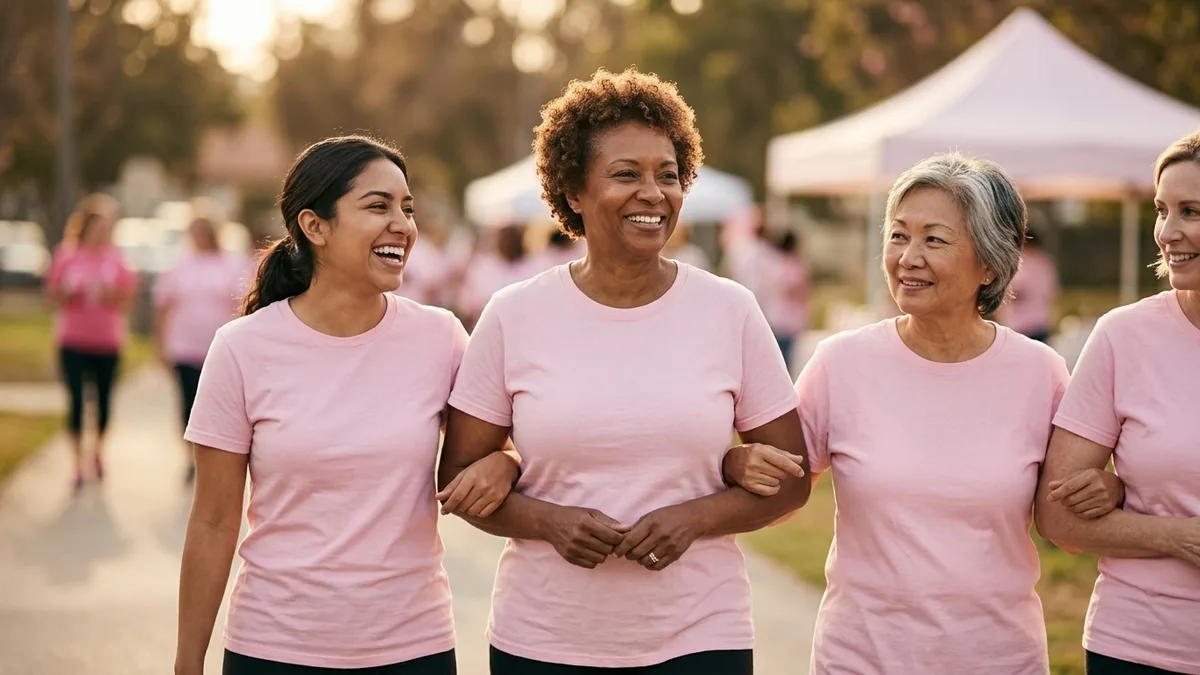
Pink Out Day isn't one fixed national date. It's a coordinated day your organization picks during October, when everyone wears pink at once. Schools, sports teams, and companies use it to turn individual support into a visible, photographable show of solidarity.
Simple ways for a group to participate during October:
- Host a Pink Out day: set one October date and supply matching pink t-shirts or wristbands so the whole team turns out together.
- Wear the pink ribbon: distribute pink lapel pins or custom awareness ribbons for staff, students, and volunteers to wear all month.
- Promote screening: share the National Mammography Day reminder (third Friday of October) and link your team to the CDC's screening guidance.
- Light it up pink: decorate the storefront, lobby, or campus, and add a pink-ribbon graphic to your social profiles for the month.
- Run a fundraiser: pair the Pink Out with a dress-down day, bake sale, or product sale (ideas below) so participation also raises money.
Breast Cancer Awareness Ideas for Work
Workplaces are one of the biggest engines of October activity because they reach a whole staff at once. The goal is to make participating easy and visible, and to give employees something to wear.
Ideas that work for businesses and teams:
- Pink Out dress-down day: employees donate a few dollars to wear pink (or jeans) and get a branded pink wristband or pin to mark the day.
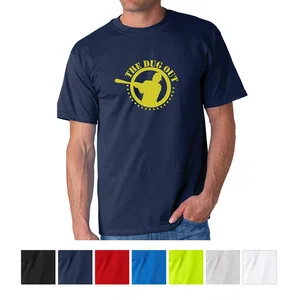
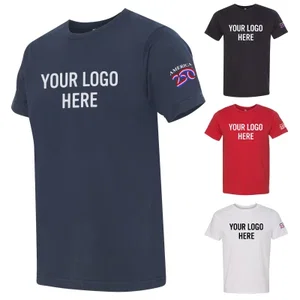
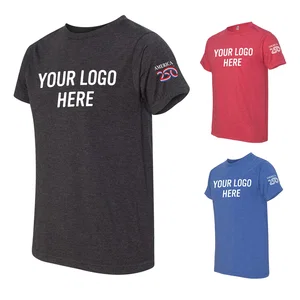
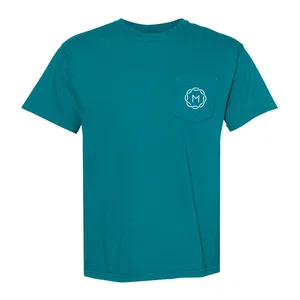
- Outfit the whole team: order custom pink t-shirts with your company logo and a pink ribbon so staff are walking ambassadors all month.
- Lunch-and-learn: host a short session on screening and self-exams, and share the CDC's mammogram guidance (skip medical opinions; point to the source).
- Awareness wall or pledge board: let staff add a name or message in support of someone affected.
- Match the total: the company matches whatever the team raises, doubling impact and boosting turnout.
For a deeper playbook on turning a workplace activity into real dollars, see our custom mug fundraising strategy. The same product-sale mechanics apply to any pink-merchandise campaign.
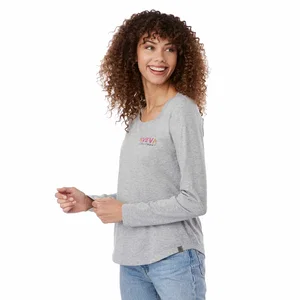
Custom Pink Awareness T-Shirts for Your Workplace
View all →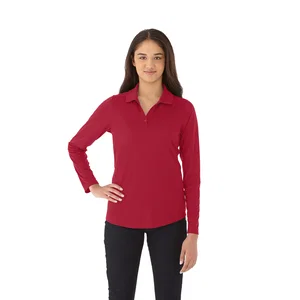

Breast Cancer Fundraising Ideas for Your Campaign
For schools, nonprofits, and community groups, the most reliable October fundraisers turn a low-cost bulk product into a donation. Buy in volume, sell for a few dollars more, and the margin becomes your contribution.
| Fundraiser | How it works | Pink product to sell |
|---|---|---|
| Pink walk / 5K | Charge registration; everyone gets a shirt | Custom t-shirts, wristbands |
| Product sale | Buy in bulk, sell at a markup, donate the margin | Tumblers, tote bags, pins |
| Pink Out dress-down | Pay-to-wear-pink day at work or school | Silicone wristbands, ribbons |
| Bake sale + merch table | Pair treats with branded keepsakes | Tote bags, keychains, pins |
A few tips to raise more:
- Add your event name and year to the product so it becomes a keepsake people keep, and a reminder to give again next October.
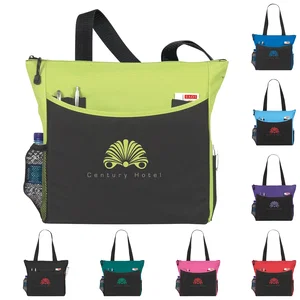
- Sell, don't just collect: supporters often feel better buying a custom tote than dropping cash in a jar, and they advertise the cause afterward.
- Order early and in bulk: per-unit cost drops sharply at volume, widening the margin you can donate.
- Name the beneficiary: tell supporters exactly which breast cancer organization receives the proceeds.
Pink Tote Bags for Fundraisers & Walks
View all →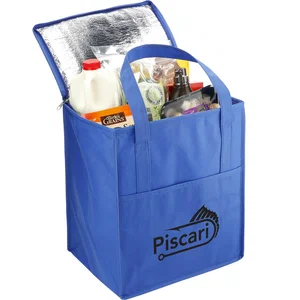

Breast Cancer Awareness Products & Promotional Items
Awareness campaigns go far beyond a single ribbon. The right pink products turn every supporter into a visible advocate and double as fundraising merchandise. Mix and match across categories so participants can pick how they show support.

Best-selling categories for an October campaign:
- Wristbands: the lowest-cost, highest-volume item, ideal for Pink Out days and dress-down fundraisers.
- Pins & ribbons: the classic pink-ribbon look for staff, volunteers, and donors to wear all month.
- T-shirts & apparel: outfit a whole team or walk in matching pink with your logo.
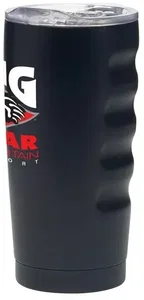
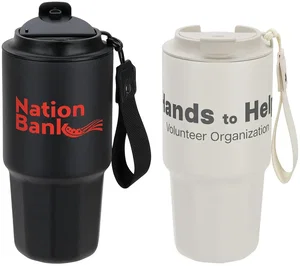
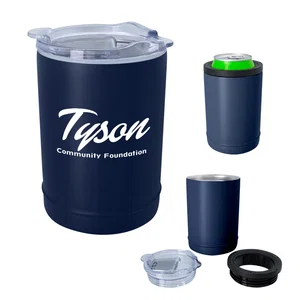
- Tote bags & tumblers: sturdier keepsakes that sell at a higher margin and keep advertising the cause long after October.
Pink Awareness Tumblers & Drinkware
View all →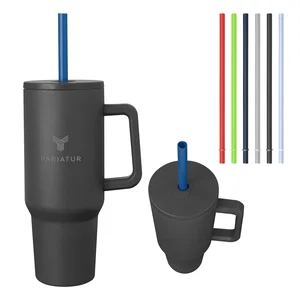
Frequently Asked Questions About Breast Cancer Awareness Month
When is Pink Day for breast cancer?
There's no single fixed national "Pink Day." A Pink Out is a day your organization, school, or team chooses during October to wear pink together. The one scheduled date to note is National Mammography Day, the third Friday of October.
Why is October a breast cancer month?
October has been National Breast Cancer Awareness Month since 1985, when the American Cancer Society and Imperial Chemical Industries launched it. Four decades of campaigns made the month a recognized, fixed point on the calendar for screening reminders, fundraising, and research support.
Why is October a pink month?
Because the pink ribbon is the internationally recognized symbol of breast cancer awareness. As the cause's emblem since the 1980s–90s, pink became shorthand for the month, which is why "Pink Out" events and pink merchandise dominate October.
What color ribbon is breast cancer awareness?
The breast cancer awareness ribbon is pink. For the full story behind the color (its meaning, history, and how to use it), see our complete guide to pink awareness ribbons.
What are the 3 C's of cancer?
This isn't a standard medical classification, and we don't give medical advice. For accurate information on breast cancer detection, risk, and screening, rely on authoritative sources like the CDC and WHO.
At what age should women get mammograms?
We don't offer medical guidance. Follow the authorities. The CDC notes that the U.S. Preventive Services Task Force recommends that women who are 40 to 74 years old and at average risk for breast cancer get a mammogram every 2 years. For your situation, see the CDC's screening guidance and talk to a doctor.
Planning a Pink Out or breast cancer fundraiser this October?
Conclusion
Breast Cancer Awareness Month gives every business, school, and nonprofit the same proven, recognizable window each October to show support: through Pink Out days, workplace activities, and fundraisers built around the pink ribbon. Lock in your October dates, order pink merchandise in September, and turn the month's built-in attention into participation and dollars for the cause.
Sources: CDC: Female Breast Cancer Stat Bite (U.S. cases & deaths), CDC: Breast Cancer Statistics, CDC: Breast Cancer Screening, American Cancer Society: How Common Is Breast Cancer? (1-in-8 lifetime risk), WHO: Breast Cancer Fact Sheet, IARC (WHO): Breast cancer cases and deaths projected to rise globally (2050 projection), Breastcancer.org: Breast Cancer Awareness Month (1985 founding). For the broader cause calendar, see our awareness ribbon colors guide, and for other causes, the orange ribbon meaning guide. Statistics reflect the cited sources; medical questions belong with a healthcare provider.
Shop Related Categories
Related Articles

Football Quotes: Who Really Said the Famous Ones (Plus Game-Day Sayings)
Famous football quotes checked against the record, with the sources we could find, the lines nobody can trace, and original short sayings for rally towels, foam fingers, cups, shirts and signs.
Basketball Team Names: 150+ Original Ideas for Every Kind of Team
More than 150 original basketball team name ideas sorted by team type: funny, cool, youth, women's, co-ed, rec league, church and work teams, plus a checklist for choosing one your whole roster likes.

Friendsgiving Ideas: How to Plan, Host and Send Guests Home Happy (at Home or at Work)
A planner's guide to Friendsgiving for friends or coworkers: a potluck signup plan, what to assign each guest, easy games, a table-setup checklist, and take-home favors people actually keep.

Veterans Day Coloring Pages: Free Printable Sheets for Kids and Classrooms
These free Veterans Day coloring pages give kids and classrooms 12 original designs to print, from a thank-you flag and a red poppy to a word search, a fold-over card and a letter of thanks for a veteran.