
Red Ribbon Meaning: What the Red Ribbon Stands For

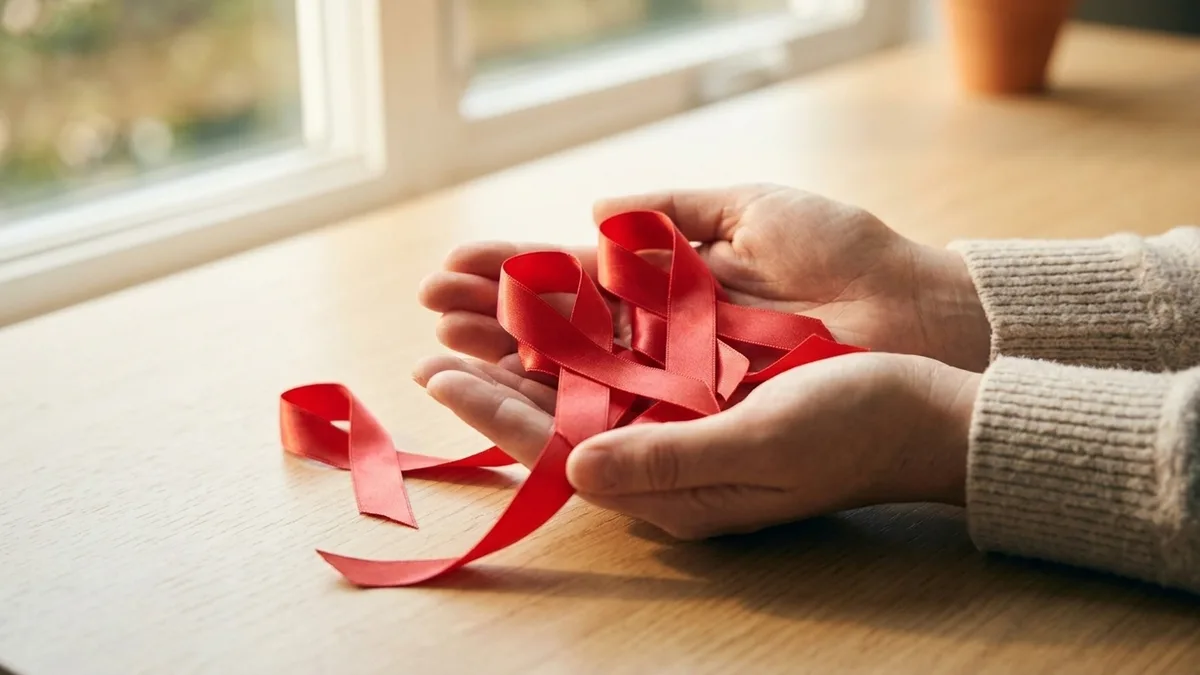
A red ribbon is best known as the international symbol of HIV and AIDS awareness. The same red ribbon also stands for several other major causes: it is the symbol of Red Ribbon Week (drug-use prevention), heart-disease awareness, impaired-driving prevention through MADD's "Tie One On for Safety" campaign, and stroke awareness.
Because one color serves many causes, the exact red ribbon meaning depends on context: the time of year, the event, and who is wearing it. A red ribbon pinned to a lapel on December 1 almost always means HIV/AIDS solidarity, while a red ribbon handed out at a school in late October is part of Red Ribbon Week's drug-free message. This guide walks through every major meaning, the dates each cause is observed, and how to tell which one a red ribbon represents.
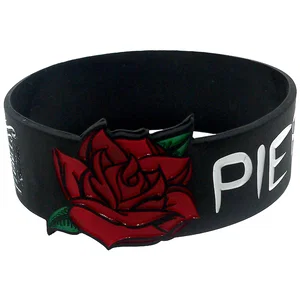
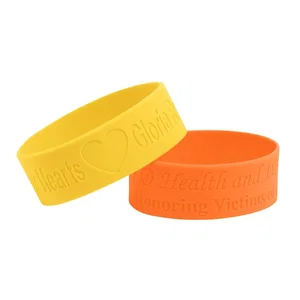
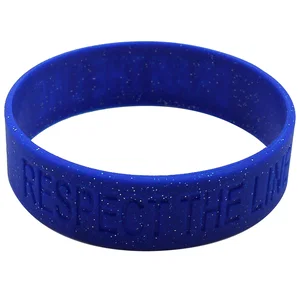
Drug-Free Wristbands for Red Ribbon Week
View all →

What Does a Red Ribbon Mean?
A red ribbon most often means support for people living with HIV and AIDS and remembrance of those lost to the disease. But the same color carries several other meanings, and the right one usually depends on when and where you see it.
Here is the quick-reference version, by context:
| Where / when you see it | What it usually means |
|---|---|
| On a lapel around December 1 | HIV/AIDS awareness on World AIDS Day |
| Handed out at schools in late October | Red Ribbon Week: a drug-free, drug-prevention message |
| Worn or displayed in February | Heart-disease awareness (American Heart Month / wearing red) |
| Tied to a car from November to January | MADD's "Tie One On for Safety" anti-impaired-driving reminder |
| Worn at a health walk or in May | Stroke awareness |

Red Ribbon for HIV & AIDS Awareness
The red ribbon and HIV/AIDS connection is the symbol's original and best-known meaning. In 1991, artists from the New York group Visual AIDS came together to design a visual symbol of compassion for people living with HIV and their caregivers. According to UNAIDS, the founders chose red for its "connection to blood and the idea of passion," which they described as not only anger, but love, like a valentine. Today the red ribbon is recognized worldwide as a symbol of solidarity and support for people living with HIV.
The ribbon is most visible each year on World AIDS Day, observed every December 1, according to the World Health Organization. On that day, people wear the red ribbon, organizations light landmarks in red, and communities hold memorial and awareness events.
Common ways the red ribbon is used for HIV/AIDS awareness include:
- Pins and ribbons worn on December 1 to mark World AIDS Day.
- Custom wristbands and lanyards distributed at clinics, campuses, and community health events.
- Memorial displays honoring those lost to AIDS-related illness.
- Year-round visibility by advocates and organizations supporting people living with HIV.
Red Ribbon Week: Drug & Substance-Abuse Prevention
In the United States, a red ribbon in late October usually has nothing to do with HIV. It is part of Red Ribbon Week, the country's largest and oldest drug-use-prevention campaign. According to the National Family Partnership, Red Ribbon Week takes place every year from October 23 through 31.
The campaign traces back to a specific tragedy. As the National Family Partnership explains, "Enrique (Kiki) Camarena was a Drug Enforcement Administration Agent who was tortured and killed in Mexico in 1985." In response to his murder, angered parents and young people in communities across the country began wearing red ribbons as a symbol of their commitment to raise awareness of the damage caused by drugs, and to promote a drug-free lifestyle. That grassroots response grew into the nationwide observance schools and communities still hold today.

Schools, police departments, and nonprofits run Red Ribbon Week with a familiar mix of activities:
- Wearing red ribbons pinned to shirts and backpacks all week.
- Spirit days: "Sock it to Drugs" (crazy socks), "Team Up Against Drugs" (jersey day), and similar themes.
- Pledge walls where students sign a commitment to stay drug-free.
- Handing out ribbons, wristbands, and stickers with the year's drug-prevention theme.
Red Ribbon for Heart Disease Awareness
Red is the natural color for the heart, so the red ribbon and heart-disease awareness go hand in hand. According to the CDC, "Heart disease is the leading cause of death in the United States," and about 1 out of every 5 deaths in the country is due to heart disease.
February is American Heart Month, and the American Heart Association's Go Red for Women movement marks National Wear Red Day each February, when people wear red to raise awareness of cardiovascular disease in women. During February you will see red ribbons, red dresses, and red apparel used to start conversations about heart health.
Red Ribbon for Anti-DUI & Impaired-Driving Awareness
From late fall through the new year, a red ribbon tied to a car door handle or antenna usually signals "Tie One On for Safety," Mothers Against Drunk Driving's longest-running designated-driver awareness campaign. According to MADD, the campaign runs from November 1 through January 1 and asks people to "visibly display a MADD ribbon on your vehicle to remind everyone to always designate a non-drinking driver."
The timing is deliberate: it covers the holiday stretch between Thanksgiving and New Year's Day, historically one of the most dangerous periods on the nation's roadways. The red ribbon turns every car on the road into a quiet, repeated reminder to plan a sober ride home.
Red Ribbon for Stroke Awareness
Because stroke is a cardiovascular event, red ribbons appear in stroke-awareness campaigns alongside heart-health messaging. The scale of the problem explains the push for visibility: according to the CDC, "Every year, more than 795,000 people in the United States have a stroke," and "Every 3 minutes and 14 seconds, someone dies of stroke in this country."
Stroke-awareness efforts focus on helping people recognize the warning signs fast and act quickly. Red ribbons, wristbands, and apparel are handed out at health fairs, hospital events, and awareness walks to keep the message in front of the public year-round.
Why Are People Wearing Red Ribbons Right Now?
When red ribbons appear all at once, the date is usually the biggest clue to which cause they represent. The same symbol serves several observances, so a quick look at the time of year almost always decodes it.
A few clues help you read a specific moment:
- Late October (the 23rd–31st): Red Ribbon Week: a school- and community-driven drug-prevention message.
- December 1: World AIDS Day: HIV/AIDS awareness, solidarity, and remembrance.
- February: American Heart Month and wearing red for cardiovascular-disease awareness.
- November through January: red ribbons on vehicles for MADD's "Tie One On for Safety."
If you are unsure, it is perfectly fine to ask. Starting that conversation is exactly what an awareness ribbon is designed to do.
Other Causes & the Red Ribbon Emoji
Beyond its five best-known meanings, the red awareness ribbon is occasionally used for additional causes, and people often reach for a ribbon emoji online to show support. A few things worth knowing:
- There is no dedicated "red ribbon" emoji. The closest is the "Reminder Ribbon" emoji, which renders in different colors across platforms; people pair it with text (for example, "World AIDS Day") to make the cause clear.
- Red vs. burgundy. Some causes use a darker burgundy ribbon rather than true red, so check the sponsoring organization if the shade looks off.
- Context still rules. Because red is shared across HIV/AIDS, drug prevention, heart disease, and more, the surrounding message or date is what pins down the meaning.
How Red Compares to Other Ribbon Colors
Not sure red is the right color for your cause? Here is how red lines up against the other most-searched ribbon colors, and see our complete guide to awareness ribbon colors and months for the full chart and calendar:
| Ribbon color | Best-known causes | Learn more |
|---|---|---|
| Red | HIV/AIDS, Red Ribbon Week, heart disease, anti-DUI, stroke | This guide |
| Pink | Breast cancer awareness | Complete guide to pink awareness ribbons |
| Yellow | Military support, suicide prevention, childhood cancer | Complete guide to yellow awareness ribbons |
| Orange | Leukemia, kidney cancer, MS, gun-violence awareness | What the orange ribbon stands for |
One color can serve many causes, so pair your ribbon with a short message, event name, or date whenever possible. It removes the guesswork for everyone who sees it. Red is the color that shifts most between a screen and a press, so a red that glows on your monitor can print muddy. Run yours through our free RGB to CMYK converter to see how far it moves before you approve a proof.
Shop Awareness Pins & Buttons
View all →


Red Ribbon Products & Awareness Merchandise
For a World AIDS Day campaign, a school Red Ribbon Week, or a heart-health drive, branded merchandise gives supporters an easy, repeated way to show solidarity and start conversations. The most effective formats include:
- Awareness wristbands. Affordable, comfortable, and worn for weeks. Custom silicone wristbands and promotional wristbands are the workhorse giveaway for school and community campaigns.
- Pins and ribbons. Custom pins and awareness ribbons printed with your cause and date are the classic lapel symbol for World AIDS Day and heart-health events.
- Apparel and tote bags. Custom t-shirts and tote bags turn participants into walking billboards at walks, runs, and Wear Red days.
- Everyday carry items. Lanyards and keychains keep the message visible long after the event ends.
Buying tips for awareness merchandise:
- Match the shade and the message. Order free samples to confirm the exact red, then follow our artwork guidelines and print the cause and date (for example, "World AIDS Day, Dec 1" or "Red Ribbon Week") so a red item reads unmistakably.
- Order for the calendar. Late October (Red Ribbon Week), December 1 (World AIDS Day), and February (heart health) are peak windows, so start your order several weeks ahead.
- Choose wearables for events, carry items for offices. Wristbands and pins travel; lanyards and keychains anchor a workplace campaign.
- Buy in bulk. Schools and nonprofits hand out hundreds of ribbons and wristbands per event, so per-unit pricing matters.
Custom Tees for Awareness Campaigns
View all →







Frequently Asked Questions About Red Ribbons
What does the red ribbon symbolize?
The red ribbon symbolizes awareness, support, and remembrance. It is best known as the international symbol of HIV and AIDS awareness, created in 1991 by the New York arts group Visual AIDS. The same red ribbon is also used for Red Ribbon Week (drug prevention), heart-disease awareness, impaired-driving prevention, and stroke awareness.
Why are people wearing red ribbons today?
Check the date. Around December 1, widespread red ribbons mark World AIDS Day. In late October (the 23rd–31st), they signal Red Ribbon Week's drug-free message. In February, red ties to heart-disease awareness, and from November through January, red ribbons on vehicles support MADD's "Tie One On for Safety."
What is the red ribbon for HIV/AIDS?
The red ribbon is the international symbol of solidarity with people living with HIV and AIDS. It was created in 1991 by Visual AIDS, and red was chosen for its connection to blood and the idea of passion: not anger, but love. It is worn most visibly on World AIDS Day, December 1.
What is the ribbon color for HIV?
The ribbon color for HIV and AIDS is red. According to UNAIDS, the red ribbon has become an international symbol of solidarity and support for people living with HIV, and it is the most recognized symbol of the global response to the epidemic.
What is Red Ribbon Week?
Red Ribbon Week is the largest drug-use-prevention campaign in the United States, coordinated by the National Family Partnership and held every year from October 23 through 31. It began in 1985 in memory of DEA Special Agent Enrique "Kiki" Camarena, and people wear red ribbons to promote a drug-free lifestyle.
Is October Red Ribbon Week?
Yes, Red Ribbon Week takes place in late October, specifically October 23 through 31 every year, according to the National Family Partnership. Many schools and communities run their activities during the school days that fall within that window.
Do schools still do Red Ribbon Week?
Yes. Red Ribbon Week remains a widely observed event in U.S. schools, where students wear red ribbons, sign drug-free pledges, and take part in themed spirit days throughout the week of October 23–31. It is still the nation's largest drug-use-prevention campaign.
What does a red ribbon mean at a funeral?
At a funeral or memorial, a red ribbon most often signals remembrance of someone lost to an HIV/AIDS-related illness, in keeping with the ribbon's original meaning. Because red is shared across several causes, the family or program usually notes which cause the ribbon honors.
What is the red awareness ribbon for?
The red awareness ribbon stands for multiple causes: HIV and AIDS awareness (its original meaning), Red Ribbon Week drug prevention, heart-disease awareness, impaired-driving prevention through MADD's "Tie One On for Safety," and stroke awareness. The exact meaning depends on the time of year and the context.
What type of cancer has a red ribbon?
Red is not a primary cancer-awareness color. Its strongest association is HIV/AIDS, not cancer. A few cancer causes use a darker burgundy ribbon (for example, multiple myeloma), so if a ribbon looks deep red, check the sponsoring organization to confirm the specific cause.
Rally your community around a cause with custom red ribbon gear
Conclusion
The red awareness ribbon is one symbol with several meanings (HIV/AIDS solidarity, a drug-free message during Red Ribbon Week, heart-disease awareness, impaired-driving prevention, and stroke awareness) united by a simple idea: visible support for people and causes that matter. The date and the context tell you which one a red ribbon represents.
From pinning one on for World AIDS Day to handing out ribbons during Red Ribbon Week to wearing red in February, understanding what the red ribbon means lets you use it well, and explain it to the next person who asks. For how red compares with every other cause color, see our complete guide to awareness ribbon colors and months.
Sources: UNAIDS: Red ribbon history · World Health Organization: World AIDS Day · National Family Partnership: Red Ribbon Week · CDC: About Heart Disease · American Heart Association: Go Red for Women · MADD: Tie One On for Safety · CDC: Stroke Facts
Shop Related Categories
Related Articles

Football Quotes: Who Really Said the Famous Ones (Plus Game-Day Sayings)
Famous football quotes checked against the record, with the sources we could find, the lines nobody can trace, and original short sayings for rally towels, foam fingers, cups, shirts and signs.

Basketball Team Names: 150+ Original Ideas for Every Kind of Team
More than 150 original basketball team name ideas sorted by team type: funny, cool, youth, women's, co-ed, rec league, church and work teams, plus a checklist for choosing one your whole roster likes.

Friendsgiving Ideas: How to Plan, Host and Send Guests Home Happy (at Home or at Work)
A planner's guide to Friendsgiving for friends or coworkers: a potluck signup plan, what to assign each guest, easy games, a table-setup checklist, and take-home favors people actually keep.

Veterans Day Coloring Pages: Free Printable Sheets for Kids and Classrooms
These free Veterans Day coloring pages give kids and classrooms 12 original designs to print, from a thank-you flag and a red poppy to a word search, a fold-over card and a letter of thanks for a veteran.