
What Is Recycled Polyester? RPET and Other Eco Materials

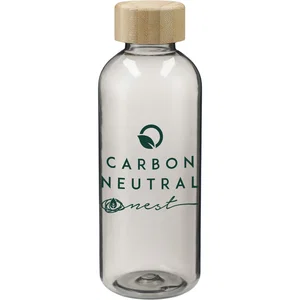
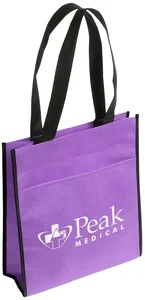
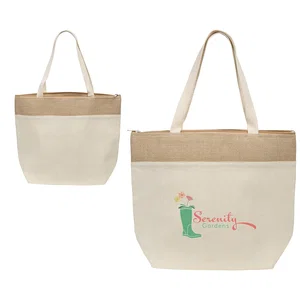

What is recycled polyester? It is polyester made from plastic that was used before, most often from plastic bottles, instead of from new petroleum. Shop for eco-friendly tote bags, pens or drinkware and you run into a wall of materials: RPET, non-woven polypropylene, wheat straw, recycled cotton, bamboo fiber. Listings use the words as if everyone already knows them.
This guide explains each one in plain English: what it is, what it is made from, how it holds up and what you can honestly say about it in your marketing. We start with the most common question, what is recycled polyester.
What Is Recycled Polyester?
Recycled polyester is polyester fabric or plastic made from material that has already been used once. Most of it comes from post-consumer plastic bottles. The bottles are collected, cleaned, melted or processed and spun into new fiber. Some recycled polyester also comes from factory scraps.
Polyester and bottle plastic are the same polymer. As Wikipedia's entry on PET puts it, textiles call it polyester while packaging calls it PET, and recycled PET goes into new bottles, polyester fibers for clothing and carpets, and fiberfill.
| Question | Answer |
|---|---|
| Where does it come from? | Mostly used PET bottles, sometimes factory scraps |
| How does it compare to new polyester? | It looks and feels similar. Recycling can change polymer properties, so ask for the item's specs. |
| Is it biodegradable? | No. It is still plastic |
| Where is it used? | Totes, backpacks, lanyards, fleece, drawstring bags |
Look for certification. The Global Recycled Standard, run by Textile Exchange, is a third-party standard that checks recycled content. Textile Exchange describes certification for products with at least 20% recycled content and a consumer label at 50%. If eco claims matter to your brand, ask whether an item is certified.
Source: U.S. EPA plastics data (2018); Textile Exchange
What Is RPET Material? (RPET Meaning)
RPET stands for recycled polyethylene terephthalate. PET is the clear plastic used for water and soda bottles. The R means it has been recycled.
RPET meaning in practice: RPET is the recycled plastic itself. Spun into fiber, it becomes recycled polyester, so an RPET tote bag and a recycled polyester tote bag usually mean the same thing. You will see it on totes, lanyards, backpacks, apparel blends and some drinkware parts.
Some listings say how many bottles went into an item. That is a helpful, specific claim, and it reads stronger than a vague "eco-friendly."
Quiz: Which Eco Claim Is Honest?
Five quick questions on eco materials and what you can say about them.
What Is Non-Woven Polypropylene?
Non-woven polypropylene is a fabric made from polypropylene plastic fibers that are bonded together instead of woven on a loom. Wikipedia's page on nonwoven fabric describes nonwovens as sheets of fibers bonded by chemical, mechanical, heat or solvent treatment, and notes that spunbond polypropylene is made in one continuous process.
What the finished fabric is like:
- Light, with a slightly papery feel
- Strong enough for groceries and event swag
- Low cost, which suits large giveaways
- Reusable many times
It is what most low-cost promotional tote bags are made of. The honest eco point is reuse: a tote used many times replaces single-use bags. Whether it can be recycled depends on your local program, so check before you promise it. Browse non-woven tote bags.
Woven vs Non-Woven Polypropylene
| Non-woven PP | Woven PP | |
|---|---|---|
| How it is made | Fibers bonded by heat | Flat strips woven together |
| Feel | Soft, papery | Stiffer, plastic-like |
| Often laminated? | Sometimes | Usually, for a glossy wipeable finish |
| Common uses | Event totes, giveaway bags | Heavy grocery and shopping totes |
| Cost | Lowest | Moderate |
Woven polypropylene totes often carry full-color laminated prints and hold more weight. See laminated tote bags.
Wheat Straw Plastic: What It Is and How It Compares
In promotional products, wheat straw plastic is usually wheat straw polypropylene: a blend of wheat straw fiber and polypropylene plastic. The straw is a farm leftover. The finished item has a natural, speckled look and shows up as pens, cups, lunch containers, cutlery and phone stands.
| Wheat straw plastic | What to know |
|---|---|
| Less new plastic | Part of the material is plant fiber |
| Uses farm waste | Straw gets a second use |
| Not fully biodegradable | The plastic part does not break down like plant material |
| Everyday durability | Fine for most everyday uses |
Be careful with "biodegradable" and "compostable." We could not find a source that supports a biodegradability claim for this blend, since polypropylene itself is a conventional plastic. Better words are "made with wheat straw fiber" or "contains plant fiber."
Is Wheat Straw Plastic Safe?
For a pen, phone stand or other non-food item, safety is not an issue. For cups, lunch containers and cutlery, ask the supplier for food-contact documentation for that exact item. We did not find independent testing that covers wheat straw and polypropylene blends in general, so do not assume one answer fits every product. Microwave and dishwasher advice also varies by item. Follow the care instructions on the product page.
Other Eco Materials You Will See on Promo Items
| Material | What it is | Good to know |
|---|---|---|
| Organic cotton | Cotton grown without synthetic pesticides | Soft and breathable; totes and apparel |
| Recycled cotton | Made from cotton scraps and old textiles | Mixed-fiber look |
| Jute | A strong natural plant fiber | Rustic look; see jute tote bags |
| Cork | Bark of the cork oak | Harvested without felling the tree, per Wikipedia; see cork products |
| Bamboo | A fast-growing plant | Pens, utensils, boards |
| Stainless steel | Reusable metal | Replaces many single-use cups |
| Seed paper | Paper with seeds in it | Can be planted |
| Soft touch | A rubbery coating | A finish, not an eco material |
For canvas and cotton in depth, read our guide to bulk canvas tote bags.
Making Honest Eco Claims About Your Items
Keep claims specific and true. The FTC's Green Guides say, in 16 CFR 260.4, that broad claims such as "eco-friendly" are hard to interpret and that marketers are unlikely to be able to back every reading of them. On recycled content, 16 CFR 260.13 says a partly recycled product should clearly state the percentage of recycled content by weight. On "biodegradable," 16 CFR 260.8 treats unqualified claims as deceptive for items that will not break down within a year of normal disposal.
| Better wording | Avoid unless the product is certified or tested |
|---|---|
| Made from recycled plastic bottles | Eco-friendly, green |
| Contains 60% recycled polyester (if true) | Biodegradable, compostable |
| Reusable tote | Zero waste |
| Made with wheat straw fiber | 100% sustainable |
Browse our eco-friendly promotional products and eco-friendly gift sets.
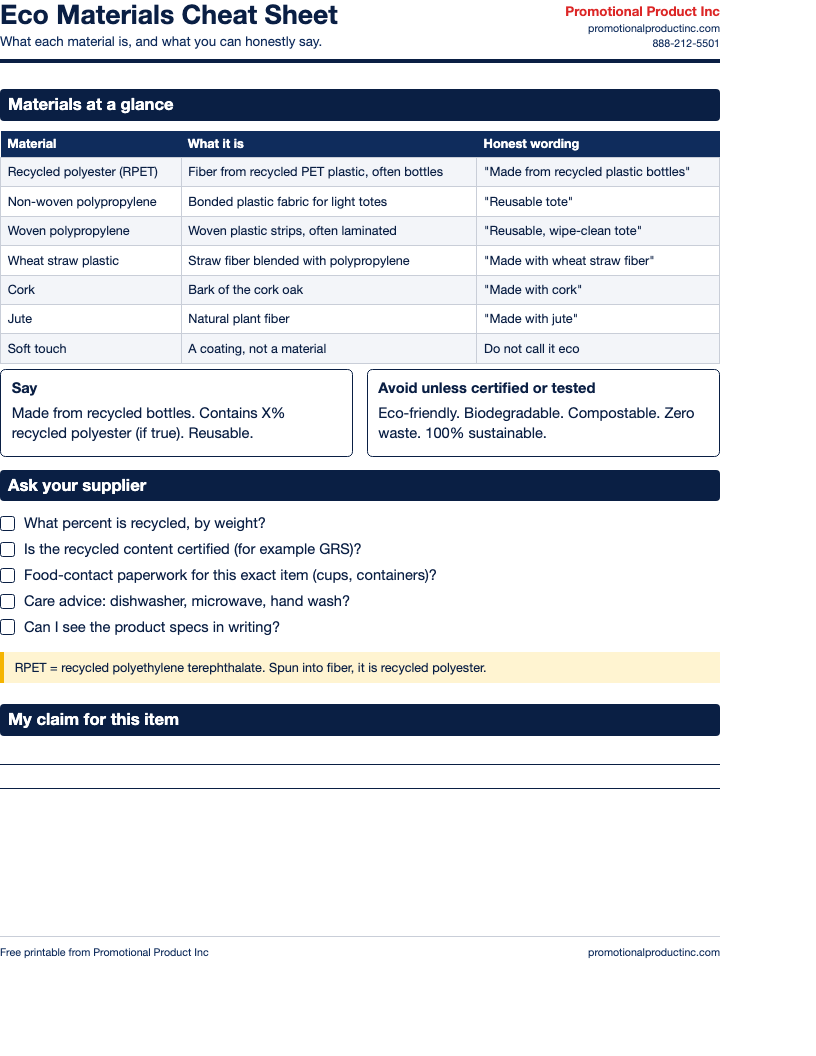
Free printable: Eco Materials Cheat Sheet
One page with what each material is, what you can honestly say about it, and a checklist for supplier questions.
Open the free PDF1 page, US Letter. Opens in a new tab to print or save.
Shop Related Categories
Want eco materials with your logo? Tell us the item and we will help you word it honestly.
Frequently Asked Questions About Eco Materials
What Does RPET Stand For?
RPET stands for recycled polyethylene terephthalate, which is recycled PET plastic, usually from bottles. When spun into fiber, it is sold as recycled polyester.
What Does RPET Mean on a Product?
RPET on a product means it is made at least in part from recycled plastic, often bottles. Look for the percentage or bottle count for a specific claim.
Is Recycled Polyester Good Quality?
Recycled polyester can look and feel much like new polyester, but quality depends on the maker and the item. Recycling can change the plastic's properties, so check the product specs.
Is Non-Woven Polypropylene Eco-Friendly?
Non-woven polypropylene is reusable, which makes it better than a single-use bag, but it is still plastic. Describe it as reusable rather than eco-friendly.
Is Wheat Straw Plastic Biodegradable?
Wheat straw plastic is not fully biodegradable when it is blended with polypropylene. The plastic part does not break down like plant material.
Is Wheat Straw Plastic Safe?
Wheat straw items are fine for non-food use, and food-contact items need documentation for that exact product. Ask the supplier for food-safety information before you promise it.
Share this post with your team
Send it to a colleague or save it for later.
Related Articles
Logo Placement on Shirts: Where, What Size and Which Method
Where the logo goes on a shirt, polo or hoodie, how big it should be, how to measure it, and when to pick screen printing or embroidery, with a size table and a free cheat sheet.
Promotional Products Glossary: What Is Screen Printing, Deboss vs Emboss, PMS and More
A plain-English A to Z glossary of promotional product terms: what screen printing is, deboss vs emboss, PMS colors, setup fees, proofs and artwork, with comparison tables, a quiz and a printable cheat sheet.
What Is a Tchotchke? Meaning, Pronunciation and Examples
What is a tchotchke? The meaning of the word, how to pronounce and spell it, where it comes from, and why marketers call small branded giveaways tchotchkes.

Hat Sizes: How to Measure Your Head, a Full Hat Size Chart and What OS Means
A plain-English guide to hat sizes: how to measure your head in one minute, a full hat size chart in inches and centimeters, what OS means on a size label, and how to size hats for a group.