
Promotional Products vs. Corporate Gifts vs. Branded Merchandise


Promotional products, branded merchandise, and corporate gifts all share one DNA — a company logo on a physical item — but they differ in audience, budget, and intent. Promotional products are low-cost, high-volume giveaways built for reach. Branded merchandise is the broad umbrella term for any logo'd item. Corporate gifts are higher-value, lower-volume pieces meant to deepen specific relationships. Get the distinction right and every dollar works harder. This guide untangles the three terms, shows where they overlap, and helps you match each one to a real goal.
Promotional products, branded merchandise, and corporate gifts: quick definitions
The terms get used interchangeably in everyday speech in everyday conversation, and that's fine in casual use — but when you're planning a budget, the differences are real. Here's how each one is generally understood in the industry:
- Promotional products are items handed out in large quantities to maximize visibility. Think pens, tote bags, stress balls, and koozies at a tradeshow booth. The goal is reach: get the logo into as many hands as possible at the lowest reasonable cost. Our full primer, What Are Promotional Products, digs deeper into how this category works.
- Branded merchandise (sometimes called "branded swag" or simply "merch") is the catch-all term for anything carrying your logo. A $0.40 pen and a $90 leather portfolio are both branded merchandise. Because it's an umbrella term, promotional products and corporate gifts both live underneath it.
- Corporate gifts are chosen with a specific recipient in mind and carry higher perceived value. A welcome box for a new hire, a holiday gift for a key client, or a recognition award for a top performer all fall here. The aim isn't mass exposure — it's appreciation and relationship-building.
The simplest mental model: branded merchandise is the parent category, and the other two are children that differ mainly by price point and intent.
Promotional products vs. corporate gifts: key differences
Once you understand intent, every other difference follows logically. Promotional products are optimized for cost-per-impression: how many people will see this logo, and how cheaply can I make that happen? Corporate gifts are optimized for impact-per-recipient: will this person feel genuinely valued?
Here's how the two compare across the factors that actually shape a purchase order:
| Factor | Promotional products | Corporate gifts |
|---|---|---|
| Primary goal | Mass brand exposure | Relationship & appreciation |
| Audience | Broad, often anonymous | Specific, named recipients |
| Typical quantity | Hundreds to thousands | Dozens to a few hundred |
| Cost per unit | Low | Mid to high |
| Packaging | Minimal | Often gift-boxed |
This is also where the search term "corporate gifts vs swag" comes from. "Swag" is informal shorthand for promotional products — the giveaways. So "corporate gifts vs swag" is really the same comparison as promotional products vs corporate gifts: targeted and premium on one side, broad and economical on the other. If your goal is to make someone feel special, you're shopping for gifts; if your goal is to be seen by as many people as possible, you're shopping for swag.
When to use promotional products vs. premium corporate gifts
The decision almost always comes down to one question: Do I care more about reach or about depth?
Reach for promotional products when:
- You're staffing a tradeshow booth and want every passerby to leave with your logo. Our Trade Show Swag guide covers what actually gets kept versus tossed.
- You're running a grassroots or community campaign where exposure across a wide audience matters more than any single relationship.
- You're seeding everyday-carry items — drinkware, totes and bags, and apparel — that travel into the world and earn impressions long after the event.
Reach for premium corporate gifts when:
- You're onboarding a new hire or celebrating a work anniversary. (We cover this in depth in Boost Employee Morale and Retention with Promotional Products.)
- You want to thank a top client or close a relationship at year-end with something gift-boxed and memorable — a curated gift set often does this better than a single item.
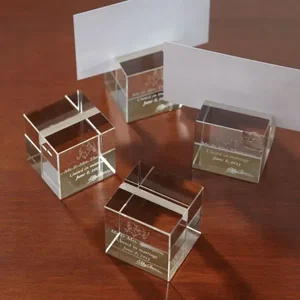
- You're recognizing standout performance and want a piece with lasting presence on someone's desk or shelf.
There's no rule against doing both. In fact, the strongest programs layer them: broad promo items to fill the funnel and a smaller tier of premium gifts for the people who move the needle.
Shop Corporate & Employee Gifts
View all →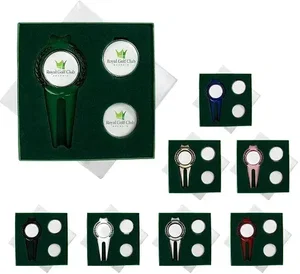

Budget and quantity differences
Promotional products win on cost per unit and total volume — you order more, each piece costs less, and you measure success by impressions. Corporate gifts cost more per unit and ship in smaller batches, and you measure success by relationship outcomes. Budgeting for the two categories works in opposite directions, and that's by design.
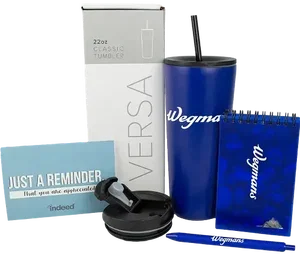
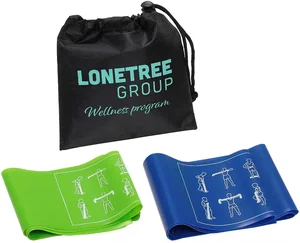
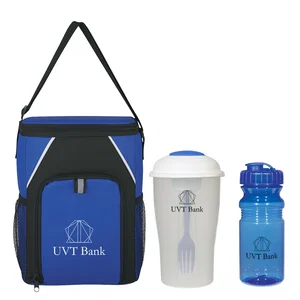
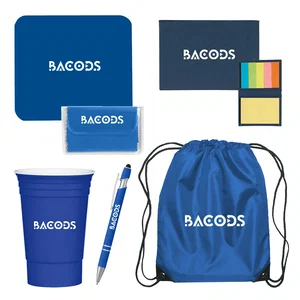
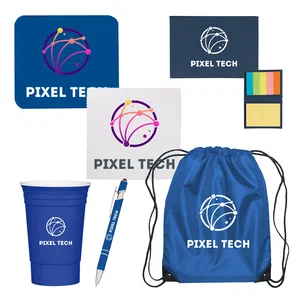
With promotional products, you're spreading a fixed budget across the largest possible audience. Per-unit prices drop sharply at higher quantities, so the math rewards ordering in bulk. The right success metric is cost per impression — a $0.50 item that gets seen for months can beat a far pricier one on pure exposure. Bundled options like a drinkware gift set or a tumbler gift box can sit in the middle — more substantial than a single giveaway, still reasonable at volume.
With corporate gifts, you're concentrating budget on a chosen few. The unit cost climbs because the item itself is nicer, the packaging is part of the experience, and presentation matters. Quantities are smaller, so the headline budget can be similar even though each recipient gets far more value. Here the metric isn't impressions — it's the relationship: did the client renew, did the employee feel recognized, did the partner stay engaged?
A useful planning habit: split your budget into two buckets before you shop. Decide how much goes to broad exposure and how much goes to targeted appreciation, then choose products to fit each bucket rather than trying to make one item do both jobs.
Branded merchandise: where it fits in
Branded merchandise is the umbrella term for any item that carries your logo. Both promotional products and corporate gifts are types of branded merchandise — so "branded merchandise vs promotional products" isn't really a versus at all; one contains the other. People often search "branded merchandise vs promotional products" expecting two distinct things, but the relationship is hierarchical, not opposing. Every promotional product is branded merchandise. Every corporate gift is branded merchandise. The umbrella just happens to be broad enough that it also covers internal merch (team apparel, company stores), retail-style merch (items people would actually buy), and event merch.
So when someone asks "what is branded merchandise," the honest answer is: it's the entire family of logo'd physical goods, from the cheapest giveaway to the most premium gift. The more useful question is which type of branded merchandise fits your goal — and that's exactly the promotional-vs-corporate-gift decision you've already worked through above. Higher-end branded items like an executive gift set or a custom award lean toward the corporate-gift end; everyday giveaways lean toward the promotional end.
Which one is right for your goal?
Use this quick decision shortcut:
- Goal: get seen by lots of people. → Promotional products. Order in volume, keep unit cost low, prioritize useful everyday items that travel.
- Goal: make specific people feel valued. → Corporate gifts. Spend more per recipient, add packaging, and tie the gift to a moment (onboarding, anniversary, renewal, win).
- Goal: a full program that does both. → Branded merchandise strategy. Define a broad-reach tier and a premium tier, and keep the visual branding consistent across both so the cheap pen and the executive gift set clearly belong to the same company.
One last principle worth repeating: quality beats quantity at every tier. A promotional item people are happy to keep outperforms a drawer of throwaways, and a thoughtful corporate gift outperforms an expensive but generic one. Whether you're buying 2,000 totes or 40 employee gift boxes, choose items the recipient will genuinely want to use — that's what turns spend into impressions, loyalty, and repeat relationships.
Not sure which mix is right for your goal? Get a free, no-pressure quote.
Shop Related Categories
Related Articles

Do Promotional Products Work? What the ROI Data Shows
Do promotional products actually work, or do they just end up in a drawer? We break down the recall, retention, and ROI data so you can decide where branded merch fits in your marketing budget.

The History of Promotional Products in America
From George Washington's campaign buttons to today's eco-friendly swag, branded giveaways have shaped American marketing for over two centuries. Here is how the promotional products industry began and why its classics still work.

Promotional Product Production Time: What Every Buyer Needs to Know Before Ordering
If you've ever placed an order for branded merchandise and wondered whether it would arrive before your event, you already understand why promotional product production time matters.

The Complete Guide to Pink Awareness Ribbons
When you see someone wearing a pink ribbon, what immediately comes to mind? For most people, it's breast cancer awareness. But here's what many don't realize—the pink awareness ribbon represents far more than just one cause.