
Do Promotional Products Work? What the ROI Data Shows


If you've ever wondered whether branded merch is a smart spend or money tossed into a swag bag, this guide is for you. We'll look at what the research actually says about recall, retention, and return on investment, how promotional products stack up against other advertising channels, and the specific conditions that separate a campaign that works from one that flops. The short version: promotional products work remarkably well, but only when you pick the right item and put it in the right hands.
Do Promotional Products Actually Work?
The core reason promotional products work is something traditional ads can't buy: physical presence over time. A radio spot lasts thirty seconds. A social ad gets a half-second glance before a thumb scrolls past. A branded water bottle, on the other hand, sits on someone's desk every workday for a year or more. Each glance is a free, repeated brand impression, and unlike a paid ad, you only pay once.
That dwell time also changes how people feel about the brand. Receiving a useful gift triggers a small sense of reciprocity and goodwill, which is why promotional products consistently score well on "favorability" and "likelihood to do business" measures in industry studies. If you're still getting your bearings on the category itself, our primer on what promotional products are and why they matter covers the fundamentals before you dig into the numbers here.
Promotional Product ROI vs. Other Advertising Channels
The fair way to compare advertising channels is not total spend but cost per impression, and this is where branded merch quietly wins. ASI's recurring Ad Impressions Study tracks how many impressions each product type generates and at what cost; bags and writing instruments routinely come out near the bottom of the cost-per-impression table, meaning they're among the cheapest ways to put a logo in front of a human eye.
Here's the conceptual difference, channel by channel:
| Channel | What you pay for | How long it lasts |
|---|---|---|
| Digital display ad | Each impression, repeatedly | Seconds, then gone |
| TV / radio spot | Airtime, per run | Seconds, then gone |
| Promotional product | The item, once | Months to years |
| Print ad | Placement, per issue | Days to weeks |
The asymmetry is the whole story. With paid media, every impression has a marginal cost. With a promotional product, you pay once and then collect impressions for free for as long as the item survives. That structural advantage is why branded merch holds up so well against channels with far bigger budgets, and why it pairs nicely with the rest of your mix rather than replacing it. For a sense of how merch fits alongside paid and owned media, see our breakdown of the difference between marketing and advertising.
How Long Do People Keep Promotional Products?
Retention is the hidden engine behind promotional ROI. An item that's thrown away the same day generates a single impression; an item kept for a year generates thousands. Industry surveys consistently find that the average branded item is held onto for several months, and the standouts, well-made bags, drinkware, and apparel, frequently last well beyond a year because they earn a permanent spot in someone's routine.
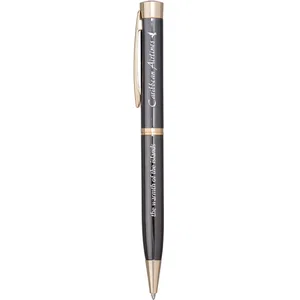
What gets kept comes down to two things: usefulness and quality. A flimsy pen that skips gets tossed; a smooth-writing metal pen gets pocketed and used daily. The lesson for buyers is to spend a little more per unit on fewer, better items rather than blanketing an audience with disposable filler. That single decision does more for your retention numbers, and therefore your ROI, than almost anything else.
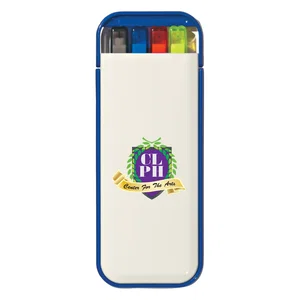
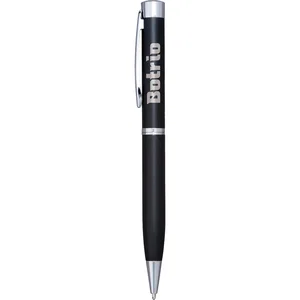
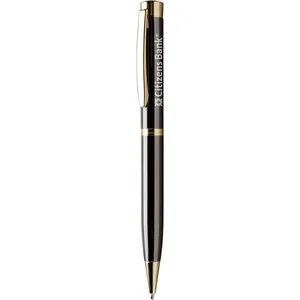
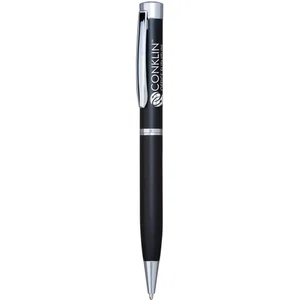
Shop Pens People Actually Keep
View all →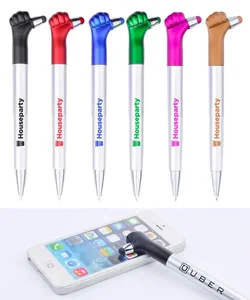
Which Promotional Products Get the Most Impressions Per Dollar?
The best impression-per-dollar performers all share a profile: low unit cost, high public visibility, and long useful life. That's why the same handful of categories show up at the top of ASI's impression rankings year after year.
- Bags and totes. A printed tote is essentially a mobile billboard that travels through grocery stores, offices, and gyms. High visibility plus a long lifespan makes it one of the best values in the catalog. Browse bags and totes to see the range.
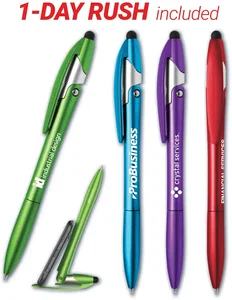
- Pens and writing instruments. Pens are cheap, get used constantly, and are routinely passed from person to person, multiplying impressions far beyond the original recipient. Explore promotional pens for everyday-carry options.
- Drinkware. A mug or tumbler that lives on a desk or in a car cup holder racks up dozens of daily impressions for months on end.
- Apparel. A branded shirt or cap is worn in public repeatedly, turning recipients into walking advertisements.
Notice the pattern: the winners aren't the flashiest or most expensive items, they're the practical ones people genuinely use. That insight should anchor every selection decision you make.
How to Measure the ROI of Your Promotional Campaign
Promotional products have a reputation for being hard to measure, but that's mostly a process problem, not a measurement problem. You can quantify the return with a few deliberate steps:
- Estimate impressions. Use industry impression benchmarks for the item type, multiplied by the number of units distributed, to get a realistic total-impression figure.
- Calculate cost-per-impression. Divide your all-in campaign cost (product, imprint, shipping) by total impressions. Compare that number against the CPI of your paid media; it usually wins by a wide margin.
- Make conversions trackable. Print a QR code, a vanity URL, or a unique promo code on the item so you can attribute leads and sales back to the giveaway.
- Survey recipients. A short pulse survey at an event or after a mailing tells you what was kept, used, and remembered, the leading indicators of long-term ROI.
Lead time matters here too, because a campaign you can't deliver on time can't perform. Our promotional product production time guide helps you plan backward from your event date so the data you collect reflects a campaign that actually launched on schedule.
When Promotional Products Don't Work (and How to Fix It)
Branded merch isn't magic, and pretending otherwise is how budgets get wasted. Here are the four most common failure modes and the fix for each.
- The item is useless. A novelty gadget that nobody touches generates one impression and a landfill entry. Fix: prioritize everyday utility, drinkware, bags, pens, tech accessories, over gimmicks.
- The quality is poor. A pen that skips or a mug that chips creates a negative association with your brand. Fix: order fewer, better units and request samples before committing to a bulk run.
- The item is off-brand or off-audience. A cheap stress ball mailed to enterprise buyers misses badly. Fix: match the item's perceived value and style to who's receiving it. Internal recipients are a great example, thoughtful corporate employee gifts only pay off when they actually feel like gifts, which is also how they boost employee morale and retention.
- It went to the wrong people. Mass-distributing to anyone who walks by dilutes both budget and brand. Fix: target distribution to qualified prospects, loyal customers, and employees, the audiences most likely to keep and use the item.
The throughline is intentionality. Promotional products reward the buyers who treat selection and targeting as marketing decisions rather than afterthoughts. Get those two things right and the ROI takes care of itself.
Ready to launch a campaign the data says will pay off?
The Bottom Line
So, do promotional products work? The evidence is hard to argue with: high recall, long retention, low cost-per-impression, and a goodwill bonus that paid ads can't replicate. The medium consistently earns its place in the marketing mix, often punching well above its budget.
The catch is that the averages hide a wide range. A useful, well-made item given to the right person is one of the best marketing dollars you'll ever spend. A cheap trinket handed to a stranger is one of the worst. Your job as a buyer is simple to state and worth doing carefully: choose items people will actually use, invest in quality, and put them in the right hands. Do that, and promotional products won't just work, they'll outwork most of your other channels.
Shop Related Categories
Related Articles

The History of Promotional Products in America
From George Washington's campaign buttons to today's eco-friendly swag, branded giveaways have shaped American marketing for over two centuries. Here is how the promotional products industry began and why its classics still work.
Promotional Products vs. Corporate Gifts vs. Branded Merchandise
Promotional products, branded merchandise, and corporate gifts overlap so much that buyers use the terms interchangeably — but choosing the right one changes your budget, quantity, and results.

Promotional Product Production Time: What Every Buyer Needs to Know Before Ordering
If you've ever placed an order for branded merchandise and wondered whether it would arrive before your event, you already understand why promotional product production time matters.

The Complete Guide to Pink Awareness Ribbons
When you see someone wearing a pink ribbon, what immediately comes to mind? For most people, it's breast cancer awareness. But here's what many don't realize—the pink awareness ribbon represents far more than just one cause.