
Orange Ribbon Meaning: What Does the Orange Ribbon Stand For?

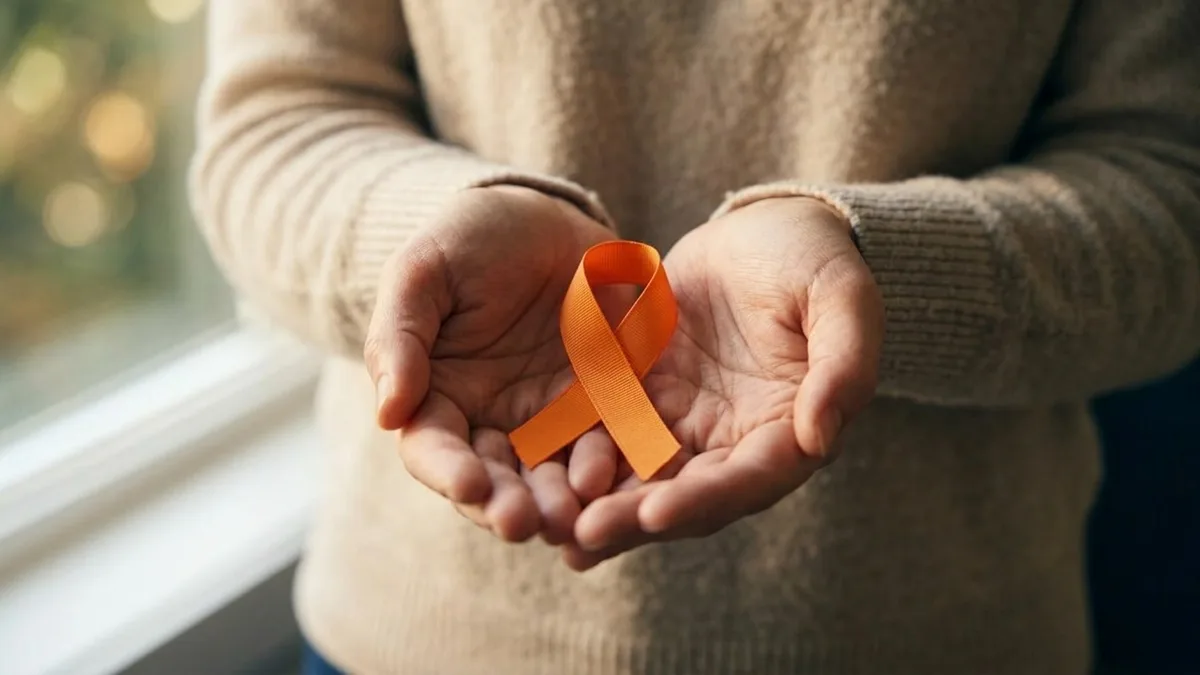
If you have seen someone wearing an orange ribbon, you may be wondering what it stands for. Unlike single-purpose symbols, the orange ribbon represents many causes at once—and the right meaning often depends on the month and the context. This guide explains what an orange ribbon means, which cancers and conditions it represents, and when each cause is recognized.
What Does the Orange Ribbon Mean?
The orange ribbon represents awareness and support for more than a dozen important causes. It is most commonly recognized for leukemia awareness, but it also symbolizes kidney disease, multiple sclerosis (MS), ADHD, hunger prevention, gun violence prevention, self-harm awareness, and cultural diversity.
According to the National Cancer Institute, approximately 66,890 people are diagnosed with leukemia annually in the United States, making orange ribbon campaigns essential for raising awareness and research funding. The Leukemia & Lymphoma Society reports that every three minutes, someone in the U.S. receives a blood-cancer diagnosis, which is why orange ribbon awareness continues to play a vital role in public education.
The color orange was chosen because it captures attention while representing energy, warmth, and determination—qualities that embody the fight against these conditions and the hope for better outcomes. If you want to display the symbol at an event, you can shop custom awareness ribbons printed with your cause and message.
What Cancer Is the Orange Ribbon For?
When people ask which cancer the orange ribbon represents, the answer is leukemia first. Leukemia is a blood cancer affecting bone marrow, and all four main types—acute lymphocytic leukemia (ALL), acute myeloid leukemia (AML), chronic lymphocytic leukemia (CLL), and chronic myeloid leukemia (CML)—share the orange awareness ribbon. There is no separate official color for AML; all leukemia subtypes use orange. The orange ribbon also represents kidney cancer, recognized each March.
What Causes Does the Orange Ribbon Represent?
Orange Ribbon for Leukemia Awareness
The orange cancer ribbon is most widely recognized for leukemia awareness. Leukemia affects blood cells and bone marrow, with four main types: acute lymphocytic leukemia (ALL), acute myeloid leukemia (AML), chronic lymphocytic leukemia (CLL), and chronic myeloid leukemia (CML).
September is Leukemia Awareness Month, when awareness events and fundraising efforts peak. The Leukemia & Lymphoma Society's Light The Night walks feature orange ribbons prominently. According to the National Cancer Institute, the five-year relative survival rate for leukemia is now roughly 67%, up substantially from past decades as awareness and research funding have grown.
Orange Ribbon for Kidney Disease
March is Kidney Cancer Awareness Month, when the orange ribbon represents kidney health and awareness. The American Cancer Society reports over 81,800 kidney-related diagnoses annually. Early detection significantly improves outcomes, with the National Cancer Institute documenting five-year survival rates exceeding 93% for localized cases.
The orange awareness ribbon helps educate people about kidney disease risk factors including obesity, smoking, and high blood pressure. Organizations like the Kidney Cancer Association use this symbol to promote screening and early intervention.
Orange Ribbon for Multiple Sclerosis (MS)
The orange ribbon represents multiple sclerosis awareness, especially during MS Awareness Week in March. Orange is the color for MS because it conveys energy and optimism for a community living with an unpredictable condition. According to the Multiple Sclerosis International Federation, MS affects approximately 2.8 million people worldwide. MS disrupts communication between the brain and body, causing symptoms that range from vision problems to mobility challenges.
The National MS Society supports research and connects people to care, and Walk MS events featuring orange ribbons raise funds for that work each spring.
Orange Ribbon for ADHD Awareness
October is ADHD Awareness Month, when the orange ribbon promotes understanding of Attention-Deficit/Hyperactivity Disorder. The CDC estimates that about 7 million U.S. children aged 3–17 (11.4%) have ever been diagnosed with ADHD, based on its most recent national data.
CHADD (Children and Adults with ADHD) uses the orange awareness ribbon to combat misconceptions and promote acceptance of neurodiversity. The symbol represents millions of children and adults living with ADHD while encouraging communities to provide appropriate support and resources.
Orange Ribbon for Hunger Prevention
The orange ribbon is internationally recognized as the symbol for hunger awareness and prevention. The orange color represents nourishment, as many orange-colored foods like carrots, oranges, and sweet potatoes are nutrient-rich and accessible.
September is Hunger Action Month, when Feeding America and other organizations mobilize communities. With roughly 47 million Americans—including about 14 million children—living in food-insecure households, the orange ribbon serves as a call to action for volunteering at food banks, donating to hunger relief programs, and advocating for food security policies.
Orange Ribbon for Gun Violence Prevention
June is Gun Violence Awareness Month, highlighted by Wear Orange Weekend the first weekend of June. The orange ribbon for gun violence prevention began after the 2013 death of 15-year-old Hadiya Pendleton in Chicago. Orange was her favorite color, and her friends wore it to honor her memory, starting a movement that now reaches millions.
Everytown for Gun Safety coordinates the annual Wear Orange campaign, which generates over 4.5 million social media impressions. Major landmarks illuminate orange during Wear Orange Weekend, creating nationwide visibility for this important cause.
Orange Ribbon for Self-Harm Awareness
March 1 is Self-Injury Awareness Day (SIAD), observed globally with orange ribbons. The National Alliance on Mental Illness reports that approximately 17% of young people have engaged in self-harm. The orange ribbon helps reduce stigma and encourages individuals struggling to seek help.
Orange Ribbon for Cultural Diversity
March 21 is the United Nations International Day for the Elimination of Racial Discrimination, celebrated with orange ribbons promoting cultural diversity and racial harmony. In Australia, this date coincides with Harmony Day, when people wear orange to celebrate multiculturalism and promote unity among different ethnic and cultural groups.
Additional Orange Ribbon Causes
The orange ribbon also represents:
- CRPS/RSD Awareness (November): Complex Regional Pain Syndrome and Reflex Sympathetic Dystrophy, chronic pain conditions. The RSDSA estimates CRPS affects 200,000 Americans annually.
- Motorcycle Safety: Promotes motorcycle safety awareness and honors riders injured or killed in accidents. The Motorcycle Safety Foundation documents that awareness campaigns have contributed to reduced fatalities.
- Agent Orange Exposure: For veterans exposed to Agent Orange during military service. The Department of Veterans Affairs estimates over 2.6 million veterans may have been exposed.
- Malnutrition Awareness: Highlights global malnutrition issues, particularly in developing countries where millions of children experience stunted growth from chronic undernutrition.
Shop Custom Awareness Ribbons
View all →
When Should You Wear an Orange Ribbon? (Orange Ribbon Months)
The orange ribbon has different awareness months throughout the year:
- March: MS Awareness Week, Kidney Cancer Awareness Month, Self-Injury Awareness Day (March 1), UN International Day for the Elimination of Racial Discrimination (March 21)
- June: Gun Violence Awareness Month (Wear Orange Weekend)
- September: Leukemia Awareness Month, Hunger Action Month
- October: ADHD Awareness Month
- November: CRPS/RSD Awareness Month
You can wear an orange ribbon year-round to support whichever cause is most meaningful to you personally.
5 Ways To Support Orange Ribbon Causes
- Wear Orange Ribbon Products: During awareness months, wearing orange ribbon merchandise—from buttons and lapel pins to silicone wristbands and custom apparel—shows solidarity and starts conversations. Visible awareness symbols give supporters an easy, repeated way to spark dialogue about a cause.
- Donate to Organizations: Financial contributions support research, education, and direct services. Organizations like the Leukemia & Lymphoma Society, National MS Society, Feeding America, and CHADD rely on donations to fund their programs.
- Volunteer Your Time: Volunteer at local food banks, participate in awareness walks, or support groups related to orange ribbon causes. Food banks report that volunteer hours enable distribution of multiple meals per volunteer hour.
- Share on Social Media: Use hashtags like #OrangeRibbon, #LeukemiaAwareness, #EndHunger, #MSAwareness, #ADHDAwareness, and #WearOrange to spread awareness on social media. Posts about awareness causes generate significantly more engagement than standard content.
- Participate in Awareness Events: Join walks, runs, or fundraising events like Light The Night for leukemia, Walk MS events, or Wear Orange Day activities. These events create community impact while raising funds for research and support services.
Orange Ribbon Awareness Products
At Promotional Product Inc., we offer orange ribbon products designed to maximize awareness impact:
- Pins and buttons that spark conversations, including the Awareness Ribbon Retractable Badge Reel
- Silicone wristbands like the 1/2" Debossed Silicone Wristband for extended visibility beyond awareness months
- Custom apparel and tote bags featuring orange awareness symbols
- Everyday carry items like the Awareness Ribbon Flexible Key Tag
- Promotional drinkware and event supplies that generate daily impressions
According to the Advertising Specialty Institute (ASI), promotional products generate impressions at a lower cost per impression than most traditional and digital advertising channels, which is why awareness campaigns rely on them. For a deeper dive, see why custom promotional products matter for small organizations and our roundup of promotional products for smaller teams and nonprofits. If your campaign centers on a fundraiser, our complete guide to promotional drinkware covers high-impression giveaways.
Frequently Asked Questions
What does an orange ribbon mean?
The orange ribbon is a universal awareness symbol representing multiple causes including leukemia, kidney disease, multiple sclerosis, ADHD, hunger prevention, gun violence prevention, self-harm awareness, CRPS/RSD, cultural diversity, and motorcycle safety. The specific meaning often depends on the time of year and context.
What cancer is orange ribbon for?
The orange cancer ribbon primarily represents leukemia and kidney conditions. Leukemia is the most widely recognized association, affecting approximately 66,890 Americans annually according to the National Cancer Institute.
Where did the orange ribbon tradition come from?
The orange ribbon tradition began in the 1970s and 1980s as organizations sought visible ways to raise awareness. The bright orange color was selected for its ability to attract attention and symbolize energy, warmth, and hope—qualities essential for awareness campaigns.
What is the primary cause for orange ribbons?
While orange ribbons represent many causes, leukemia awareness is most commonly recognized, particularly during September's Leukemia Awareness Month. However, MS awareness, kidney disease, ADHD, and hunger prevention are equally significant uses of this symbol.
Can I wear orange ribbons for multiple causes?
Yes! Many people wear orange ribbons to support multiple causes simultaneously. The symbol's versatility allows it to represent whichever cause is most meaningful to you. This multi-cause approach actually strengthens overall visibility for all awareness initiatives.
How effective are orange ribbon campaigns?
Orange ribbon campaigns raise visibility, drive donations, and start conversations during peak awareness months. National efforts like the Wear Orange movement for gun violence prevention generate millions of social media impressions each June, and awareness-month fundraising supports research and patient services for causes such as leukemia and MS.
What does orange ribbon mean for survivors?
For survivors, the orange ribbon represents triumph over adversity, strength through difficult treatment journeys, resilience, and connection to supportive communities. It provides a visible reminder of survival while honoring ongoing recovery challenges.
What organizations use orange ribbons?
Major organizations include Leukemia & Lymphoma Society, National Kidney Foundation, National MS Society, CHADD, Feeding America, Everytown for Gun Safety, and RSDSA.
What's the difference between orange and other colored ribbons?
Orange ribbons uniquely represent both medical conditions and social causes, unlike most single-purpose awareness symbols. Pink ribbons focus primarily on breast health, red ribbons represent HIV/AIDS, while orange ribbons span health conditions, mental health issues, and social causes. To compare colors, see our guides to pink awareness ribbons and yellow awareness ribbons.
How can businesses support orange ribbon causes?
Businesses can support through corporate gift and giving programs, employee volunteer initiatives, product fundraisers, workplace awareness campaigns, and matching donation programs. Branded orange ribbon items make it easy to align a workplace campaign with a chosen cause.
Rally your community around a cause with custom orange ribbon gear
Conclusion: The Power of the Orange Ribbon
The orange ribbon meaning encompasses over 20 vital causes affecting millions worldwide. Whether representing leukemia awareness, hunger prevention, gun violence prevention, or ADHD awareness, the orange ribbon serves as a powerful symbol that drives awareness, education, and action.
Understanding what the orange ribbon represents empowers you to participate meaningfully in causes that matter to your community. From supporting research and treatment advances to advocating for policy changes and community support programs, orange ribbon campaigns have demonstrated measurable impact: improved survival rates, shortened diagnosis times, increased donations, and millions of social media impressions spreading awareness.
The orange awareness ribbon proves that simple symbols create powerful movements. When you wear an orange ribbon, display it at events, or share it online, you're contributing to collective action that transforms lives. Whether you're honoring survivors, remembering loved ones lost, or advocating for those currently facing challenges, the orange ribbon represents hope, determination, and the power of community coming together for meaningful change.
Your participation matters—every orange ribbon worn, every donation made, every conversation started, and every social media post shared contributes to movements that save lives and improve outcomes for millions. What does the orange ribbon stand for? It stands for hope, action, awareness, and the collective determination to create a healthier, more compassionate world.
Ready to make a difference? Explore our collection of orange ribbon products and discover how promotional materials amplify awareness campaigns to maximize your impact during awareness months and year-round.
Shop Related Categories
Related Articles

Do Promotional Products Work? What the ROI Data Shows
Do promotional products actually work, or do they just end up in a drawer? We break down the recall, retention, and ROI data so you can decide where branded merch fits in your marketing budget.

The History of Promotional Products in America
From George Washington's campaign buttons to today's eco-friendly swag, branded giveaways have shaped American marketing for over two centuries. Here is how the promotional products industry began and why its classics still work.

Promotional Products vs. Corporate Gifts vs. Branded Merchandise
Promotional products, branded merchandise, and corporate gifts overlap so much that buyers use the terms interchangeably — but choosing the right one changes your budget, quantity, and results.

Promotional Product Production Time: What Every Buyer Needs to Know Before Ordering
If you've ever placed an order for branded merchandise and wondered whether it would arrive before your event, you already understand why promotional product production time matters.