
How to Launch a Mug Fundraiser That Outperforms Candy Sales Every Time

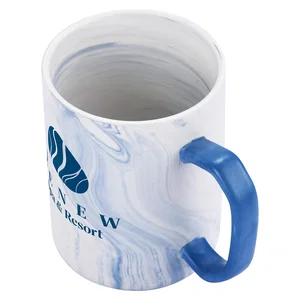
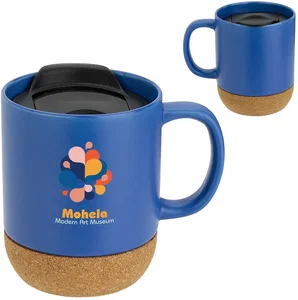
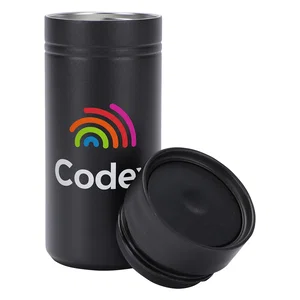


Tired of fundraising efforts that barely sweeten your bottom line? This guide shows why a coffee mug fundraiser can outperform a candy sale: supporters get something they use every day, and your group gets a product with room for a healthy markup and months of visibility. Here is how schools and nonprofits plan, price and run a mug sale with custom mugs, step by step.
Shop Custom Mugs for Your Fundraiser
View all custom mugs →
Why do mugs beat candy for fundraising?
Mugs beat candy because a supporter keeps and uses a mug long after a candy bar is eaten, so your price can reflect lasting value.
Traditional fundraising products like candy bars and cookie dough feel tired. They deliver modest profits and are quickly forgotten, and as one fundraising guide points out, candy profit is only realized if the candy actually sells. Reusable drinkware, in contrast, is one of the most popular promotional categories. The same logic that makes branded mugs a smart promotional gift for business also makes them ideal for fundraising. (For a deeper dive on the category itself, see our promotional drinkware guide.)
According to ASI's 2023 Ad Impressions Study, a piece of branded drinkware earns 3,162 impressions over its lifetime, and 63% of consumers would keep and use it for at least one year.
Demand is strong on the industry side too. ASI's 2024 Counselor State of the Industry report, announced on PR Newswire in September 2024, found that drinkware accounted for nearly 11% of total promotional products industry sales, second only to T-shirts. ASI later reported that the promotional products industry achieved record sales in 2024. That combination of consumer demand and industry growth makes mugs a natural fit for fundraising.

What is a coffee mug fundraiser?
A coffee mug fundraiser is a campaign where your school, team or nonprofit sells branded drinkware instead of candy and keeps the difference between cost and selling price.
Custom mug fundraising means selling personalized drinkware (mugs, tumblers, travel cups or gift sets) printed with your school's mascot or your nonprofit's logo. Supporters buy the items because they are useful, not merely because they are donating. In plain language, each mug repeatedly reminds the user (and everyone who sees it) about your mission.

Why do mugs deliver higher profit margins?
Mugs deliver better margins because their perceived value sits well above what they cost in bulk, and the per-piece cost falls as your order grows.
Favorable production economics: Ceramic and stainless-steel mugs bought in bulk cost far less than what supporters expect to pay for a branded mug at retail. Popular retail brands of tumblers are well known, so supporters recognize their value, and even basic travel mugs carry a useful-gift price in people's minds.
Volume discounts: Promotional Product Inc. offers price breaks as quantities increase, so a larger order lowers your cost per mug and widens your margin. Candy, by contrast, is priced at a set amount per bar that supporters already know.
Sustained brand exposure: Unlike consumables that are gone in a day, mugs stay on desks and kitchen shelves. ASI's study found drinkware earns thousands of impressions over its lifetime, and that most consumers keep it for at least a year. That built-in advertising value is part of what supporters are paying for.
Consumer preference: People actually want drinkware. Knowing your product is something supporters will use, not just tolerate, makes your campaign easier to sell.

How do you calculate total cost, including setup fees, for custom mugs?
Add the unit cost for your whole order, the one-time setup fee, payment processor fees and shipping, then divide by the number of mugs.
Use this simple formula so a one-time fee never erodes your margin:
Total cost = (unit price × quantity) + setup fee + processing fees + shipping. Then per-mug cost = total cost ÷ quantity.
Subtract the per-mug cost from your selling price to get profit per mug, then multiply by the number you expect to sell. Because the setup fee does not change with quantity, ordering more units always lowers your per-piece cost. Ask for a written quote that lists the setup fee separately. Promotional Product Inc. quotes setup fees up front and offers free proofs, so there are no surprises when you reconcile the campaign.
How much can you earn from a mug fundraiser?
What you earn depends on three things you control: the mug you choose, how many you order and the price you set.
Every organization's results will vary, but these order sizes show how the approach changes as you grow.
Smaller starter orders
- Typical products: ceramic or basic travel mugs at an easy price point
- Margin: the setup fee is spread over fewer mugs, so margin per piece is lower
- Best for: first-time fundraisers or smaller groups testing demand before scaling
Medium-sized campaigns
- Typical products: larger travel mugs with upgraded features
- Margin: volume price breaks start to widen the gap between cost and price
- Best for: schools, churches or community organizations looking for stronger returns with manageable order volumes
Large-scale drives
- Typical products: insulated tumblers in the style of well-known retail brands
- Margin: the setup fee almost disappears per unit, and higher-value items support a higher price
- Best for: established campaigns with wide supporter bases, such as sports teams, nonprofit drives or seasonal holiday pushes
For more campaign blueprints, read our companion guide on transforming your fundraising strategy with custom mugs.
How do you launch a mug fundraiser step by step?
Launch in five stages over roughly three months: set goals, pick mugs, market, take orders, then deliver.
Step 1: How do you set goals and build your team? (Week 1-2)
Start with a dollar target, then work backward to the number of mugs you need to sell.
Determine how much money you need to raise, then divide it by your expected profit per mug to find your sales target. Add a small buffer for supporters who order late or not at all.
Assemble a small committee. Typical roles include a campaign coordinator (oversees timelines), a design and marketing lead (develops artwork and messaging), a sales coordinator (manages orders and payment collection), a volunteer coordinator and a treasurer. Dividing responsibilities prevents burnout and improves accountability.
Research vendors. Ask for product samples before committing to large orders and verify shipping times, minimum order quantities and design services. Choose vendors that provide free proofs, transparent pricing and reliable lead times to protect your profit margins. Our team at Promotional Product Inc. offers sample kits and our price match guarantee to simplify this step.
Step 2: How do you select the right mugs? (Week 3-4)
Pick two or three mug styles at different price points so every supporter finds one that fits their budget.
Choosing the right product mix is critical. Each mug type suits different supporters:
Insulated tumblers: The popularity of big-name retail tumblers has turned them into status items. They command the highest price and suit alumni, corporate partners and supporters who want a standout gift.
Travel mugs: They balance affordability with quality and work well for PTA drives, church fundraisers and community events.
Ceramic coffee mugs: Crowd-pleasers like the 12 oz ceramic coffee mug or the 11 oz ceramic mug work well for broad audiences and encourage multiple purchases because of their low price point.
Campfire mugs: Their vintage enamel look appeals to outdoor clubs and scout groups.
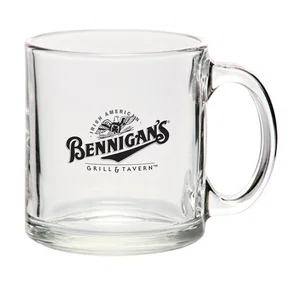
Glass mugs: These feel upscale and suit professional associations or arts organizations.
Gift sets: Bundle a mug with coasters, coffee beans or branded accessories to raise the value of each order and create an easy holiday gift. Browse our drinkware gift sets for ready-made bundles, or see how tower gift sets work for corporate gifting if a sponsor wants to underwrite your drive.
When designing artwork, think beyond logos. Include mission statements, mascots or local landmarks to create an emotional connection. Before finalizing, show two or three design options to a small focus group and gather honest feedback. This simple test can prevent costly reprints.
Select fundraising mug design ideas that match your audience and revenue goals.

Step 3: How do you market your campaign? (Week 5-6)
Promote for two to three weeks before the order deadline, using every channel your supporters already read.
Use email newsletters, social media posts, your website and printed flyers with QR codes to reach different audiences. Highlight both the everyday usefulness of the mugs and the impact of the fundraiser.
Show social proof early. Post photos of sample mugs, share comments from early buyers and give regular updates on your progress toward the goal.
Create honest scarcity. Offer a small early-bird discount for orders placed in the first few days, or produce a limited-edition design available only during the campaign. Scarcity boosts orders without pressuring supporters.
Step 4: How do you manage orders and payments? (Week 7-8)
Use an online order form tied to a payment processor so orders, totals and payments are recorded automatically.
Google Forms, JotForm or Typeform let supporters select mug styles, colors and quantities while calculating totals. Pair these forms with payment processors like PayPal, Square or Stripe to minimize cash handling and record transactions instantly. Many processors offer reduced fees for registered nonprofits.
Track orders in a shared spreadsheet with columns for orders received, payments cleared and units remaining. Weekly reports help your team spot shortfalls or overselling before they become problems.
Follow up politely with people who expressed interest but haven't ordered. A personal reminder by email, phone call or text often converts undecided supporters.
Step 5: How do you distribute mugs and protect your profit? (Week 9-12)
Confirm production dates early, hand mugs out at a pickup event and inspect every mug before it goes out.
Coordinate production schedules with your vendor to ensure on-time delivery, and build in extra time for quality checks and unforeseen delays. Ask for the production time of each style in writing, since insulated tumblers can take longer than standard ceramic mugs.
Whenever possible, arrange in-person pickup events to avoid shipping costs. Mailing mugs one at a time quickly eats into profit. A central pickup at a church hall or school gym builds community and protects your margin.
Inspect every mug before distribution. Check print, packaging and order accuracy. Replacing defective items promptly maintains trust and encourages repeat participation. It also helps to share simple care tips with supporters. Our guide on how to remove coffee stains from mugs keeps their keepsake (and your branding) looking great for years.
What pricing strategies maximize revenue?
Price on value, bundle mugs with related items and reward early or multiple purchases.
What is value-based pricing?
Value-based pricing sets your price by what the mug is worth to supporters rather than by adding a fixed markup to cost.
Explain to supporters that every purchase provides daily use and shows community pride. People willingly pay more when they understand how their purchase supports a cause they care about.
Should you bundle mugs with other products?
Yes, bundles raise the value of each order and give supporters a ready-made gift.
Combine mugs with accessories that match your mission: pair coffee mugs with fair-trade coffee beans, or include coasters and pens in a "teacher appreciation" set. For schools, bundle tumblers with spirit wear like keychains and car magnets. For corporate partners, create professional gift sets combining travel mugs with branded tote bags or wellness kits.

Do early-bird discounts and volume incentives work?
They do, because they create early momentum and encourage supporters to buy extra mugs as gifts.
Offer a small discount for orders placed within the first few days. Encourage multiple purchases with "buy 3, get 1 free" or a percentage off four or more mugs. These incentives raise total revenue and extend your reach as supporters buy gifts for friends and family.

What are the common mistakes, and how do you avoid them?
The three biggest mistakes are ignoring hidden costs, ordering too few mugs and skipping quality checks.
Underestimating hidden costs: Include payment processor fees, shipping supplies, packaging and marketing materials when you calculate margins. Left out, these costs quietly eat into your profit.
Ordering too little inventory: Order a few more mugs than you pre-sold to cover late orders or replacements. Running out frustrates supporters and reduces your overall profit.
Skipping quality control: Poor printing or chipped mugs damage your organization's reputation. Insist on sample approval and a proof before production, and set aside a small contingency fund for replacements.
Which technology tools streamline the process?
Online forms, payment processors, social media shops and QR codes handle most of the work for you.
Online forms: Google Forms, Typeform and JotForm capture orders, calculate totals, apply volume discounts and send automatic confirmations. They give supporters a professional ordering experience and reduce admin work.
Payment processors: PayPal, Square and Stripe process card payments securely and deposit funds into your account within days. Many offer special rates for verified nonprofits. Digital payments also simplify bookkeeping and reduce cash handling risk.
Social media shops: Facebook and Instagram shops let supporters buy mugs without leaving the platform. Use a campaign hashtag to encourage supporters to post photos with their new mugs.
Crowdfunding platforms: Sites like GoFundMe and Kickstarter tell your story, display progress toward your goal and use countdown timers to build urgency. A mug becomes both a physical thank-you gift and a badge of support.
Mobile-first ordering: Make sure your order forms work on smartphones. Put QR codes on flyers, posters and email signatures so supporters can order instantly.

How do you measure success beyond dollars raised?
Track new supporters, repeat giving, how well people remember your mission and how engaged your community becomes.
Donor acquisition cost: Divide your total marketing spend by the number of first-time supporters. Compare the result with your other fundraisers to see which one brings in new people most cheaply.
Lifetime value: Watch giving patterns over two or three years. See whether mug buyers go on to give again, attend events or volunteer.
Brand awareness: Survey your community six months after the campaign. Ask whether supporters remember your mission, how often they use the mug, and whether they've referred friends or family.
Community engagement: Track event attendance, volunteer sign-ups and social media mentions. Drinkware is a conversation starter, and supporters often share photos of their mugs online, giving your organization free exposure.
How do you calculate donor acquisition cost?
Divide total marketing expenses by the number of new supporters the campaign brought in.
Run the same calculation for every fundraiser you hold, so you can compare them fairly and put next year's effort where new supporters cost the least.

Frequently asked questions
What are the most profitable fundraising products?
Branded drinkware such as coffee mugs and tumblers is among the most profitable fundraising products, because supporters value it well above its bulk cost. Drinkware also keeps working after the sale: ASI found it earns thousands of impressions over its lifetime, far outlasting candy, cookie dough and most consumables.
How much can we earn from custom mugs?
Your earnings equal mugs sold times the gap between your selling price and your all-in cost per mug. Bigger orders lower the cost per mug, and gift-worthy styles such as insulated tumblers support higher prices, so both push profit up.
When is the best time to run a mug fundraiser?
Back-to-school season and the run-up to the winter holidays are strong times to run a mug fundraiser. Fall brings school energy and new families, while the holidays turn mugs into ready-made gifts, which raises the size of each order.
How long does a mug fundraiser campaign take?
Most mug fundraisers take about three months from planning to distribution. Allow time for planning, marketing and taking orders, production and delivery, and add a buffer for proofs and shipping delays.
Can we offer other products alongside mugs?
Yes, complementary items such as water bottles, tote bags, T-shirts, keychains, car magnets, pens and coasters appeal to different supporters and raise overall revenue. Bundling them with mugs also increases the value of each order.
Ready to launch a coffee mug fundraiser that beats candy sales?
Is a mug fundraiser worth it?
For most schools and nonprofits, yes: a mug fundraiser is a scalable alternative to candy that earns more per sale and keeps your cause visible long after the order is delivered.
Because drinkware is both practical and popular, supporters are willing to pay for it, and each mug keeps working as advertising for your mission. With thoughtful planning, focused marketing and careful execution, schools and nonprofits can raise real funds while strengthening community connections.
If you'd like personalized guidance for your next campaign, Promotional Product Inc. provides free visual proofs, logo assistance, product samples and our price match guarantee. Our goal is to make sure every dollar you raise stays where it belongs, supporting your mission.
Shop Related Categories
Share this post with your team
Send it to a colleague or save it for later.
Related Articles
Mug Season Is Here: 25 Cozy Winter Coffee Mugs to Put Your Logo On
Our 25 favorite winter coffee mugs to print with a logo, sorted by drink and by person: cozy campfire mugs, hot chocolate mugs, insulated mugs that keep coffee hot, a soup mug and ready-made cocoa gift sets. Includes a drink-by-drink picker and a holiday order planner.

Branded Water Bottles: The B2B Bulk Buyer's Guide
A practical buyer's guide to branded water bottles for bulk and B2B orders: stainless steel vs. aluminum vs. Tritan, sizes and lids, logo printing methods, and how to choose the right bottle for events or employees.

Custom Tumbler Ideas for Business: A Bulk Buyer's Guide
Practical custom tumbler ideas for business buyers: how to choose a material, size, lid, and decoration method, plus branding and gifting ideas for bulk orders that put your logo in daily rotation.
Wedding Koozie Ideas: Designs, Sayings and Bulk Tips
Wedding koozie ideas plus designs for bachelorette parties, birthdays, bars, and fundraisers, with sayings, foam vs. neoprene, and how to order printed can coolers in bulk.