
Branded Water Bottles: The B2B Bulk Buyer's Guide
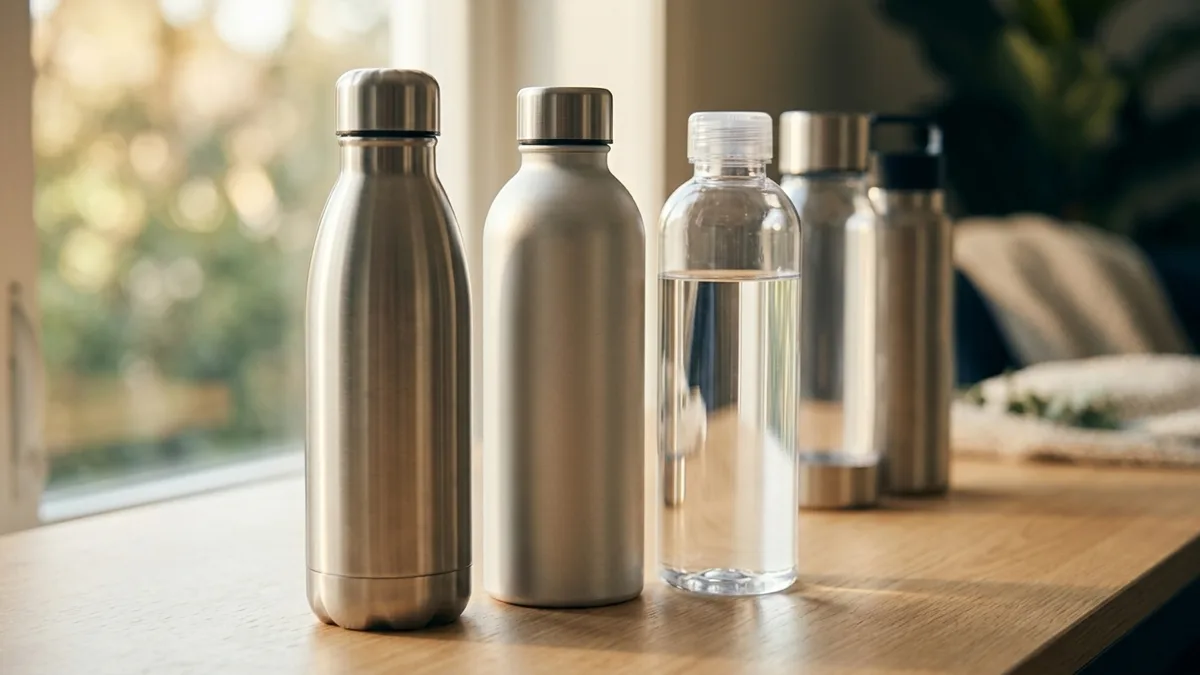
Branded water bottles are one of the highest-impact promotional products you can buy in bulk. A single reusable bottle keeps your logo in someone's hand at the gym, the office, and the commute for years, not minutes. For businesses, schools, nonprofits, and event planners ordering in volume, the hard part isn't deciding whether to use them. It's choosing the right material, size, lid, and print method so the bottle actually gets used.
This guide walks through the decision the way we'd walk a buyer through a bulk order: the materials worth knowing, how stainless steel, aluminum, and Tritan compare, the sizes and lids that fit real use, how your logo prints on each, and how to pick differently for a one-day event versus a long-term employee kit. For the wider drinkware picture, pair it with our promotional drinkware guide.
Shop Custom Aluminum Water Bottles
View all →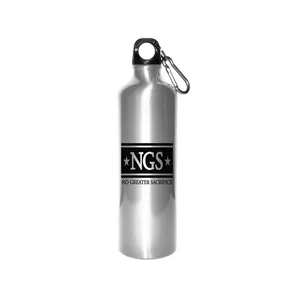
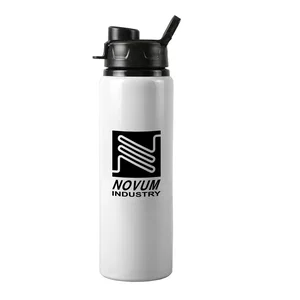
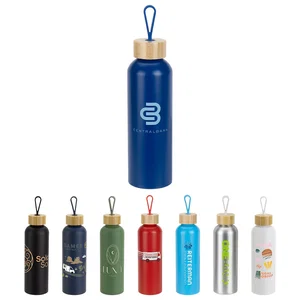
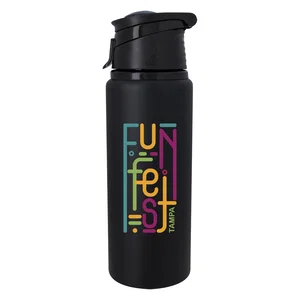
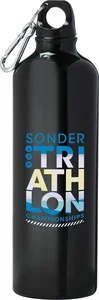
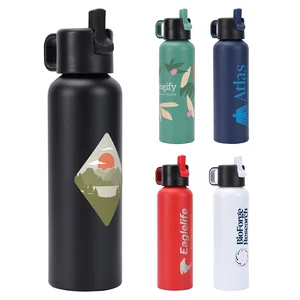
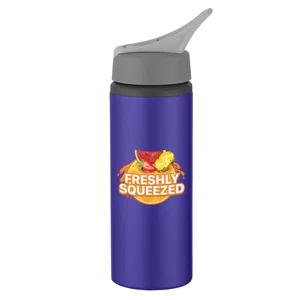
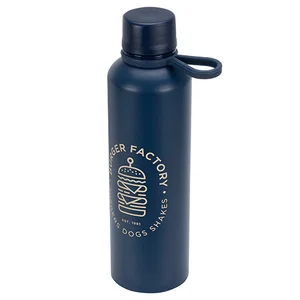
Branded Water Bottles at a Glance
Before the deep dive, here's the short version. Three material families cover almost every order, and each earns its place for a different brief.
| Material | Feels like | Insulation | Cost per unit | Best for |
|---|---|---|---|---|
| Stainless steel (18/8) | Solid, weighty | Excellent (double-wall vacuum) | Higher | Employees, clients, resale, daily use |
| Aluminum | Light, sleek metal | Low (usually single-wall) | Mid to low | Races, festivals, fitness, sleek look on a budget |
| Tritan / plastic | Light, glossy, colorful | Minimal | Lowest | High-volume giveaways, schools, trade shows |
The most common mistake in bulk buying is defaulting to whatever you ordered last time. Start from how the bottle will actually be used, and the material picks itself.
Why Branded Water Bottles Work for Bulk & B2B
The B2B case for reusable bottles rests on two numbers: time and cost-per-impression. A koozie or a pen gets set down; a water bottle travels: to the desk, the gym, the car, the kid's soccer game. That daily rotation is exactly what makes a reusable bottle one of the best per-dollar marketing buys in promo.
There's a sustainability argument too, and it's grounded in real data. According to the U.S. EPA's plastics material-specific data, the recycling rate of PET bottles and jars was 29.1 percent in 2018, and the recycling rate for all plastics that year was 8.7 percent. In other words, most PET bottles and jars were not recycled. Handing out one branded reusable that replaces throwaway bottles is a message your audience already believes in.
For bulk and B2B buyers specifically, branded bottles tend to win when you:
- Need a keepsake, not a throwaway: onboarding kits, client gifts, loyalty rewards, and conference swag people actually keep.
- Want a wellness or sustainability angle: fitness challenges, "ditch single-use plastic" campaigns, and corporate ESG storytelling.
- Are buying for a recurring audience: students, members, or employees who'll carry the same bottle all season.
If you're weighing bottles against other drinkware formats, our comparison of stainless steel vs. plastic tumblers applies the same material logic to lidded cups.
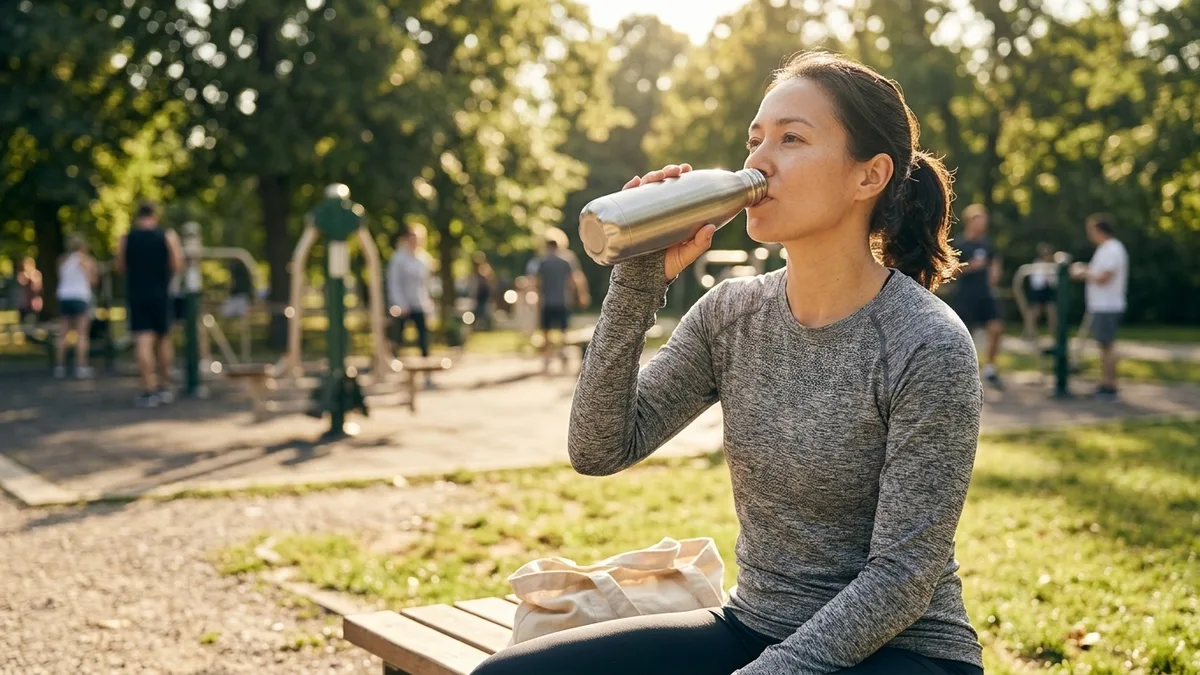
Best Materials for Branded Water Bottles
When buyers ask "what material is best," the honest answer is the one that fits the use case, but if you want a single safe default for a brand-representing bottle, it's stainless steel.
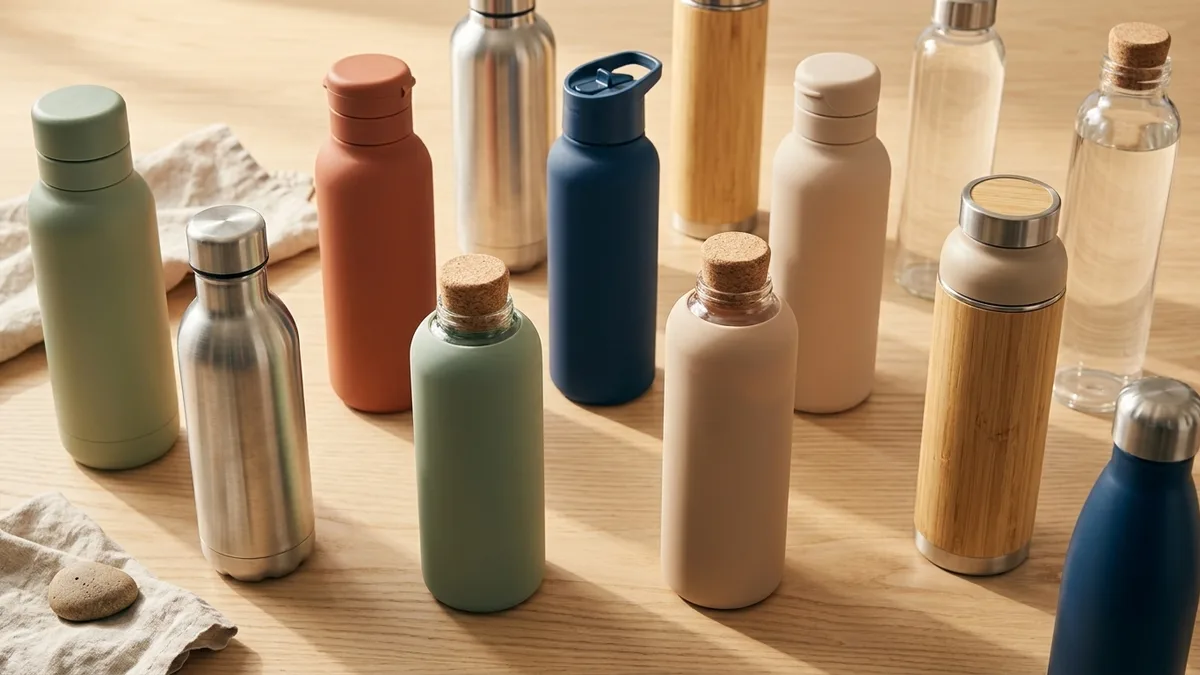
Food-grade 18/8 (also called 304) stainless steel is the standard for quality reusable bottles. The "18/8" refers to 18% chromium and 8% nickel, which resists corrosion and won't impart a metallic taste. Pair that with double-wall vacuum insulation, two walls of steel with a vacuum gap between them, and you get a bottle that holds ice for hours and keeps coffee hot, without sweating onto a desk or bag. These specs are general industry standards for insulated stainless drinkware.
Here's how the three material families stack up on the factors that matter in a bulk order:
| Factor | Stainless steel (18/8) | Aluminum | Tritan / plastic |
|---|---|---|---|
| Insulation | Excellent (double-wall vacuum) | Low (typically single-wall) | Minimal |
| Durability | Very high; dent- and rust-resistant | Good; can dent | Good; shatter-resistant (Tritan) |
| Weight | Heaviest | Light | Lightest |
| Color & print range | Powder-coat, laser engraving | Powder-coat, screen print | Widest, full-color, translucent |
| Taste neutrality | Excellent | Good (usually lined) | Good (BPA-free) |
| Typical cost per unit | Highest | Mid | Lowest |
Shop the metal end of that range in our custom aluminum water bottles and custom stainless steel tumblers categories.
Stainless Steel vs. Aluminum vs. Tritan
These three materials cover the overwhelming majority of branded bottle orders, and the trade-offs are clean once you line them up.
- Stainless steel is the upscale pick. Double-wall vacuum insulation is its headline benefit. "Keeps drinks cold all day" is a claim you can actually make. It's the heaviest and priciest, and it's the right call when the bottle represents your brand long-term.
- Aluminum splits the difference on a metal aesthetic. It's noticeably lighter than steel and usually cheaper, with a sleek, modern feel that suits fitness and event audiences. The catch: most aluminum bottles are single-wall, so they offer little insulation and can feel cold or sweat with an icy drink. Interiors are typically lined to keep taste neutral.
- Tritan is the standout plastic. It's an impact-resistant, BPA-free copolyester that looks almost like glass but won't shatter (more on that in the next section).
A quick decision shortcut for buyers:
- Want temperature retention and an upscale gift? Stainless steel.
- Want a light, sleek metal bottle at a friendlier price? Aluminum.
- Want bright color and the lowest unit cost? Tritan or plastic.
Plastic & Tritan Bottles on a Budget
When the brief is "as many branded bottles as possible for the lowest price," plastic is the answer, and not all plastic is equal. Tritan has become the go-to because it solves the old problems with cheap bottles. Per Eastman, the maker of Tritan, it's a BPA-free copolyester that is clear and shatter-resistant: a common alternative to glass for reusable bottles. That means a bottle that looks crystal-clear but bounces instead of breaking.
On the BPA question buyers often raise: the U.S. FDA's guidance on BPA in food-contact applications frames how BPA is regulated in food-contact plastics, and modern reusable bottles, Tritan included, are made BPA-free to align with that expectation. If a recipient asks "is this BPA-free?", with Tritan the answer is yes.
Budget-plastic and Tritan bottles shine when you need:
- High quantities at a low cost: stadium nights, fun-runs, fairs, and student orientation.
- Bright, full-color branding: translucent and vivid body colors that metal can't match.
- A lightweight, shatter-proof bottle for kids' programs, gyms, and crowds.
The trade-off is insulation: plastic and Tritan are essentially single-wall and won't hold temperature like vacuum steel. For a giveaway that needs to look good and hold a drink for the length of an event, that's a fine trade.
Sizes, Lids & Insulation to Choose
Size, lid, and wall construction are the three "fit" decisions that determine whether a bottle gets daily use or ends up in a drawer.
Sizes. Standard reusable bottle capacities are 17, 20, 24, and 32 oz (general industry sizing). As a rule of thumb:
| Size | Best for |
|---|---|
| 17 oz | Kids, compact bags, light sippers |
| 20 oz | All-purpose everyday carry, office desks |
| 24 oz | Fitness, commuters, the popular middle |
| 32 oz | Hydration-focused, outdoor, all-day use |
Lids. The lid changes how the bottle is used more than any other detail. A flip-top or sport lid allows one-handed, fast sipping, which is great for gyms and events. For rides and races, squeeze-style bike water bottles are shaped for a bicycle cage. A straw lid gives easy hands-free drinking at a desk or in a car. And a screw cap is the most leak-resistant option, best for bags and travel.
Insulation. Double-wall vacuum is the upgrade feature on steel; single-wall (typical for aluminum, plastic, and Tritan) is lighter and cheaper but won't hold temperature. Decide insulation by whether "keeps cold for hours" matters to your audience or whether weight and price lead. If a lidded cup might suit the brief better, our custom tumbler ideas cover the same size-and-lid trade-offs for insulated drinkware.
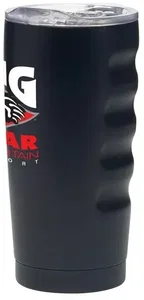
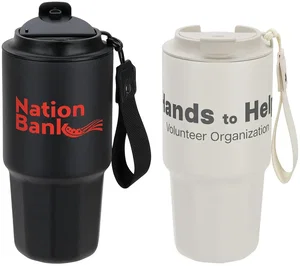
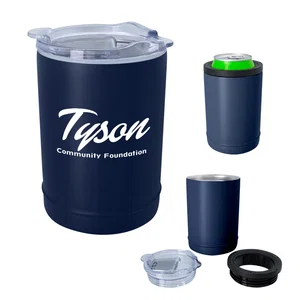
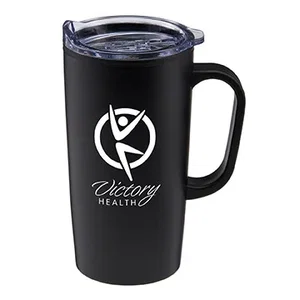
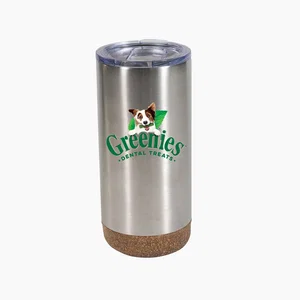
Insulated Drinkware to Pair With Bottles
View all →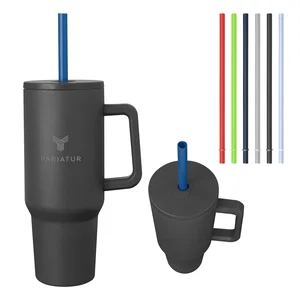
How Your Logo Prints on Each Bottle
Your logo can look great on any of these materials. They just flatter different decoration methods. Here's how printing maps to each bottle type:
- Screen printing lays down opaque, vivid color and is the workhorse for plastic, Tritan, and powder-coated metal. Best for bold one- to few-color logos at high volume.
- Laser engraving etches your mark into stainless steel or aluminum for a permanent, monochrome, polished finish that never fades or washes off: the upscale choice for gifts.
- Full-color / digital wraps reproduce gradients, photos, and complex artwork, and look their best on smooth plastic and Tritan surfaces.
A few practical tips that keep imprints clean on a bulk run:
- Simplify for small curves. A bottle is a tight cylinder; fine detail and thin lines can distort, so a bolder, simplified logo reproduces best.
- Pick color or permanence, not both. Want bright, multi-color? Go plastic and screen print or wrap. Want a luxe, lasting mark? Laser-engrave steel.
- Confirm a one-color reverse of your logo for engraving and single-color screen runs. Our artwork guidelines spell out the file formats and minimum line weights that reproduce cleanly on a curved bottle.
Choosing for Events vs. Employees
The single best filter for a bottle order is who carries it and for how long. The economics flip depending on the answer.
For employees and clients, think cost-per-impression, not cost-per-unit. A vacuum-insulated stainless bottle that someone carries to work every day for two or three years generates a stream of impressions a one-event giveaway never will. Spend up here (insulated steel, a good lid, a clean engraving) because the bottle is a daily ambassador for your brand and a signal of how you treat your people. The same gift logic we use for custom drinkware gift ideas applies to bottles.
For events and broad giveaways, volume and color lead. Stadium nights, fun-runs, fairs, conferences, and student orientations call for a lot of branded units at a low price: exactly where lightweight aluminum or full-color Tritan earns its keep. You reach a big crowd, lean into bright on-brand color, and keep the per-unit cost in check.
A smart middle path many buyers use: segment the order (insulated steel for the audiences that matter most, budget Tritan or aluminum for broad reach), often in the same campaign.
Round Out Employee & Client Gift Kits
View all →

Frequently Asked Questions
What material is best for a branded water bottle?
For most bulk orders, food-grade 18/8 (304) stainless steel with double-wall vacuum insulation is the best all-around material: durable, taste-neutral, and great at holding temperature. If budget and bright color lead, Tritan (a BPA-free copolyester) is the best plastic option, and aluminum is the pick for a light, sleek metal look at a lower price than steel.
What is the best water bottle for the office?
A 20-24 oz insulated stainless steel bottle with a screw or flip-top lid is ideal for the office: it holds enough water for the day, keeps drinks cold or hot at the desk, won't sweat onto paperwork, and lasts for years of daily use, making it a strong reusable water bottle for employees.
What's the difference between stainless steel and aluminum water bottles?
Stainless steel bottles are usually double-wall vacuum insulated, so they keep drinks cold or hot for hours, and they're heavier and more upscale. Aluminum bottles are lighter and often cheaper, but most are single-wall with little insulation and a thin interior lining. Steel wins on temperature and longevity; aluminum wins on weight and price.
Are Tritan water bottles BPA-free?
Yes. Tritan is a BPA-free copolyester made by Eastman. It's clear, shatter-resistant, and a common alternative to glass for reusable bottles. Modern Tritan bottles are produced BPA-free in line with FDA food-contact guidance on BPA.
What sizes do reusable water bottles come in?
Common reusable water bottle sizes are 17, 20, 24, and 32 oz. The 20-24 oz range is the most popular all-purpose choice; 17 oz suits kids and compact bags, while 32 oz fits hydration-focused, outdoor, and all-day use.
How do you print a logo on a water bottle?
Logos are added by screen printing (bold, opaque color, best on plastic and powder-coated metal), laser engraving (a permanent, upscale mark etched into stainless steel or aluminum), or full-color digital wraps (for detailed, photographic artwork). The right method depends on the bottle material and how many colors your logo needs.
What can employees use instead of single-use plastic water bottles?
A branded reusable bottle (stainless steel, aluminum, or Tritan) is the practical swap. Per the EPA, the recycling rate of PET bottles and jars was 29.1 percent in 2018, and 8.7 percent for all plastics, so every refill of a reusable is one less single-use bottle in the waste stream.
Are branded water bottles dishwasher safe?
Often, but not always: treat "dishwasher safe" as a per-product claim, not a material guarantee. Many stainless and Tritan bottle bodies are top-rack dishwasher-safe, but lids, gaskets, and certain printed graphics may need hand-washing. Always confirm on the exact product spec before promising it to recipients.
Ready to brand your water bottles in bulk?
The Bottom Line
Branded water bottles are one of the most durable, most-used promotional products you can buy in bulk, but only when the material, size, lid, and print method match how the bottle will live. Reach for insulated stainless steel when the bottle represents your brand to employees and clients over years; reach for aluminum or full-color Tritan when volume, weight, and color lead for events and broad giveaways. Get those choices right and a single reusable bottle keeps your logo in someone's hand long after a throwaway giveaway would have hit the bin.
When you're ready, our team can help you match the exact bottle, imprint method, size, and quantity to your budget, and get you a bulk quote with no surprises. New to ordering with us? Walk through how to order, or request free samples to feel the materials before you commit to a volume run.
Shop Related Categories
Share this post with your team
Send it to a colleague or save it for later.
Related Articles
Custom Tumbler Ideas for Business: A Bulk Buyer's Guide
Practical custom tumbler ideas for business buyers: how to choose a material, size, lid, and decoration method, plus branding and gifting ideas for bulk orders that put your logo in daily rotation.
Custom Koozie Ideas for Weddings, Events & Brands
Custom koozie ideas for weddings, parties, bars, and fundraisers: foam vs. neoprene, design tips, sayings, and how to order printed can coolers in bulk for any event or brand.
Custom Drinkware Gift Ideas for Employees & Clients
Looking for a gift your team and clients will actually use every day? Custom drinkware turns a simple thank-you into months of daily brand exposure.
Stainless Steel vs. Plastic Tumblers: Which Should You Pick?
Stainless steel keeps drinks cold for hours and feels upscale; plastic costs less and ships colorful. Here's how to choose the right tumbler for your brand.