
Stainless Steel vs. Plastic Tumblers: Which Should You Pick?

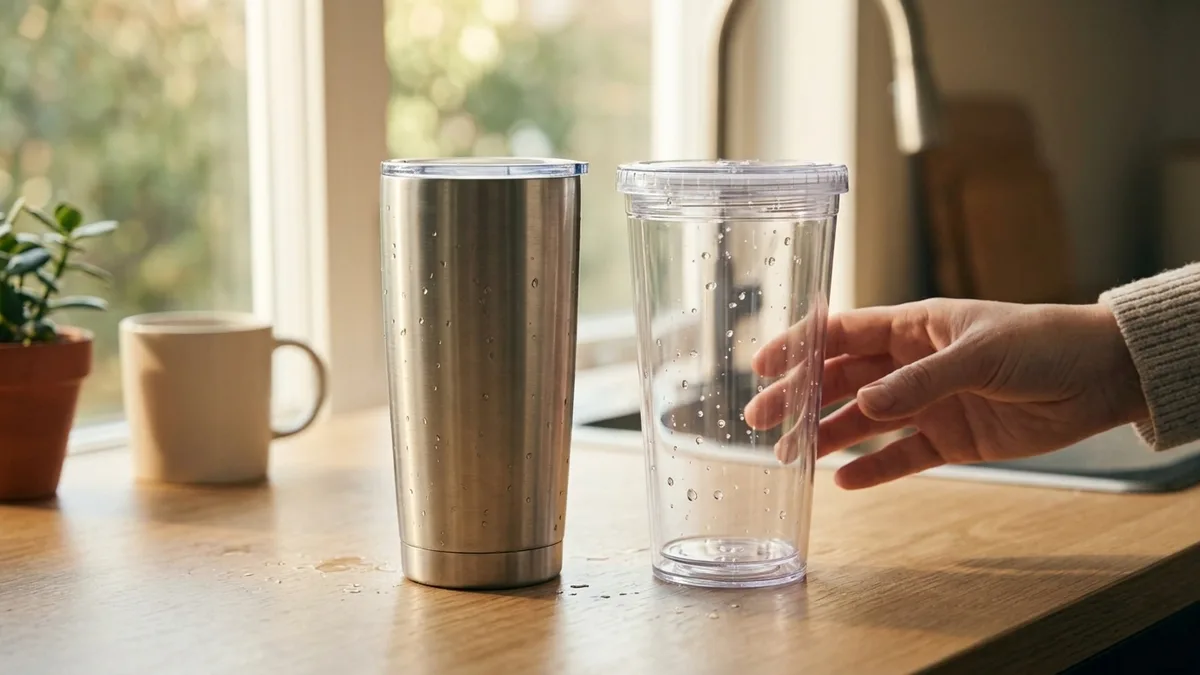
If you are sourcing custom tumblers for a giveaway, an employee kit, or retail resale, one decision shapes everything else: stainless steel or plastic? The two materials look similar on a spec sheet, but they behave very differently in someone's hand, in the dishwasher, and on your invoice.
I've helped buyers spec thousands of promotional tumblers, and the right answer almost always comes down to how the tumbler will be used and what you're willing to spend per unit. This guide breaks the choice down the way I'd walk a client through it: insulation, durability, dishwasher safety, cost, and how cleanly your logo will print on each. If you're still shaping the brief (material, size, decoration, and gifting), start with our broader custom tumbler ideas for business, then come back here for the steel-vs-plastic deep dive.
Shop Popular Custom Tumblers
View all →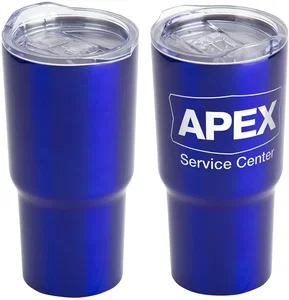
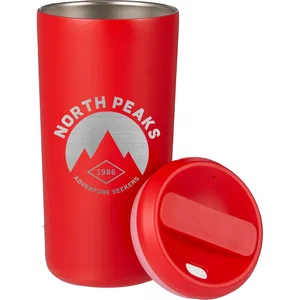
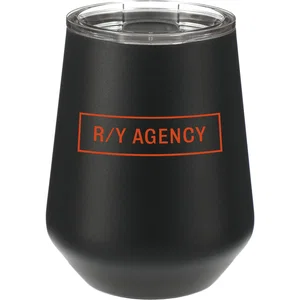
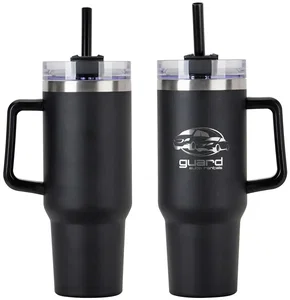
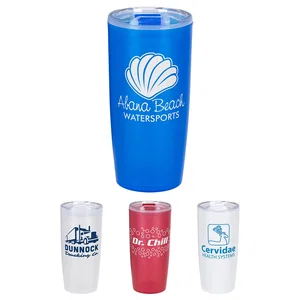
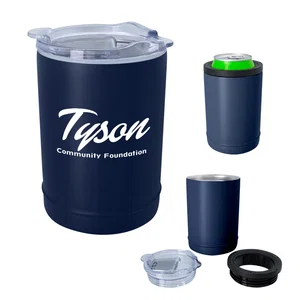
Stainless Steel vs. Plastic Tumblers at a Glance
Before we go category by category, here's the short version side by side. Think of this as the cheat sheet, then read the sections below for the why.
| Factor | Stainless Steel | Plastic |
|---|---|---|
| Insulation | Excellent (vacuum-insulated keeps cold/hot for hours) | Minimal to moderate (double-wall helps slightly) |
| Durability | Very high; resists dents and lasts years | Lower; can crack, scratch, or warp over time |
| Cost per unit | Higher | Lower (best for high volumes) |
| Color options | Powder-coat finishes, more limited | Wide, vivid, including translucent and frosted |
| Best for | Gifts, daily-driver tumblers, resale | Events, festivals, budget campaigns |
Both materials earn their place. The mistake I see most often is buyers defaulting to whichever they bought last time, instead of matching the tumbler to the audience and occasion.
Insulation: Which Keeps Drinks Cold or Hot Longer?
This is the single biggest reason buyers reach for steel. Premium custom stainless steel tumblers use a double-wall design with a vacuum-sealed gap between the inner and outer walls. That vacuum is what does the work: with almost no air to carry heat, your iced drink stays cold and your coffee stays hot for hours. As a bonus, the outer wall doesn't sweat, so it won't leave a ring on a desk or a soggy patch in a bag.
Plastic, by contrast, is a far better conductor of temperature. A single-wall plastic tumbler offers essentially no insulation. Ice melts quickly and a hot drink cools fast. Some plastic tumblers use a double-wall construction that slows things down and prevents condensation, which is a real upgrade for a cold drink on a hot day, but it still won't approach the hours-long performance of vacuum-insulated steel.
So if temperature retention is the headline benefit you want to promote (think "keeps drinks cold all day"), stainless steel is the honest choice. If the tumbler mostly needs to look good and hold a drink for the length of an event, plastic does the job.
Durability and Dishwasher Safety
Durability is where steel quietly pays off. A good stainless tumbler shrugs off the daily drops and tosses that come with a backpack or a car cup holder, and the finish resists scratching. That longevity is also a marketing win: the longer the tumbler survives, the longer your logo stays in someone's hand. Plastic is lighter and more forgiving of a single hard fall, but over months of use it's more likely to scratch, cloud, retain odors, or crack at the seams.
Dishwasher safety is the detail buyers most often get wrong, so let me be precise. "Dishwasher safe" is a per-product claim, not a material guarantee. Many stainless tumblers are top-rack dishwasher-safe for the body, but the press-fit or screw-on lid frequently needs hand-washing to protect the seal and any electronics-free gasket. Plastic tumblers vary widely. High heat in a dishwasher can warp thinner plastics or fade a printed graphic. For a deeper care routine, our guide on how to remove coffee stains from mugs covers cleaning tactics that apply to tumblers too.
The practical rule: before you tell recipients a tumbler is dishwasher-safe, confirm it on the exact product spec. Body, lid, and imprint method all need to clear the bar.
Cost Per Unit for Bulk Custom Orders
Budget is usually the tiebreaker, and the math depends on how you measure value. On raw per-unit price, plastic wins decisively. If you need to hand out a tumbler to every attendee at a stadium night or a festival, plastic lets you cover a big crowd without blowing the budget, and you can lean into bright, on-brand colors at the same time. Lightweight options like stadium cups and plastic tumblers are built for exactly this kind of high-volume, lower-cost distribution.
Stainless steel costs more per piece, but I'd encourage you to think in cost-per-impression rather than cost-per-unit. A vacuum-insulated tumbler that someone carries to work every day for two or three years generates a stream of impressions that a one-event plastic cup never will. For employee gifts, client thank-yous, onboarding kits, or anything you'd put your reputation behind, the higher unit cost is usually the smarter spend.
A useful middle path is segmenting your order: premium steel for the audiences that matter most, and budget plastic for broad-reach giveaways. Many of the buyers I work with run both in the same campaign. For more on stretching a promo budget across the right mix of items, see our take on bottom-up vs. top-down budgeting in promotional marketing.
Branding & Imprint Quality on Each Material
Your logo can look great on either material. They just flatter different design choices. Plastic takes color beautifully. Screen printing and full-color wraps pop on a smooth or frosted plastic surface, and translucent or vibrant body colors give you creative room that steel can't match. If your brand identity leans on bold color, plastic is a natural canvas.
Stainless steel trades some color range for a premium, permanent finish. Laser engraving cuts a clean, monochrome mark straight into the metal that will never wash off or fade: a look that reads as upscale and durable. On powder-coated steel, you can also screen print or use full-color processes for a more colorful result, though the palette is generally more controlled than on plastic. Getting your artwork sized correctly matters on both; our logo imprint size guidance applies to tumblers as much as to any other product, and so do the broader fundamentals in our promotional drinkware guide.
If you want maximum color impact, plastic. If you want a mark that signals quality and lasts the life of the product, laser-engraved steel.
Which Tumbler Is Right for Your Promotion?
Here's how I'd decide in practice:
-
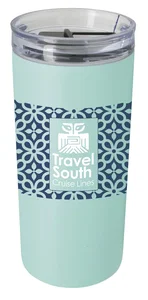
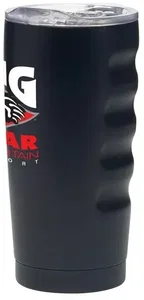
Reach for stainless steel when the tumbler represents your brand over the long haul: employee onboarding kits, executive or client gifts, loyalty rewards, and retail resale. The insulation is a genuine, promotable benefit, and the multi-year lifespan makes the higher unit price pay for itself. For more on putting a premium tumbler to work as a thank-you, see our custom drinkware gift ideas for employees and clients. Styles like a 16 oz. OtterBox Elevation stainless steel tumbler, a 20 oz. Nova stainless steel tumbler, or a 20 oz. Glacial Diamonds stainless steel tumbler all deliver that premium feel.
-
Reach for plastic when volume and color lead the brief: stadium giveaways, festivals, fundraisers, and trade-show swag where you need a lot of branded units at a low price. A vivid 16 oz. Tierra acrylic tumbler or an eco-minded 16 oz. Chroma recycled acrylic skinny tumbler shows how much visual punch you can get from the acrylic tumblers category without a premium price tag.
And remember the hybrid play: nothing stops you from ordering premium steel for VIPs and budget plastic for the crowd. If you're weighing drinkware against other giveaway formats entirely, our trade show swag guide puts tumblers in the wider context of what actually gets used and remembered.
When you've decided, our team can help you match the exact tumbler, imprint method, and quantity to your budget, and get you a quote with no surprises.
Ready to brand your tumblers?
Shop Related Categories
Related Articles
Branded Water Bottles: The B2B Bulk Buyer's Guide
A practical buyer's guide to branded water bottles for bulk and B2B orders: stainless steel vs. aluminum vs. Tritan, sizes and lids, logo printing methods, and how to choose the right bottle for events or employees.
Custom Tumbler Ideas for Business: A Bulk Buyer's Guide
Practical custom tumbler ideas for business buyers: how to choose a material, size, lid, and decoration method, plus branding and gifting ideas for bulk orders that put your logo in daily rotation.
Custom Koozie Ideas for Weddings, Events & Brands
Custom koozie ideas for weddings, parties, bars, and fundraisers: foam vs. neoprene, design tips, sayings, and how to order printed can coolers in bulk for any event or brand.
Custom Drinkware Gift Ideas for Employees & Clients
Looking for a gift your team and clients will actually use every day? Custom drinkware turns a simple thank-you into months of daily brand exposure.