
Boost Employee Morale and Retention with Promotional Products

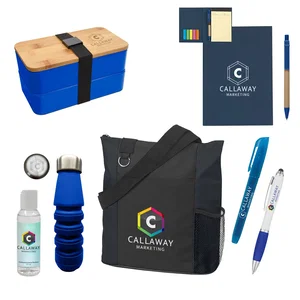
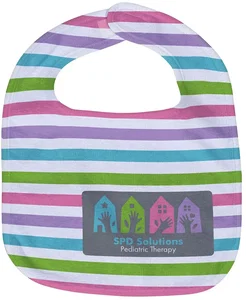
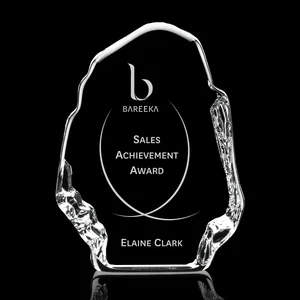
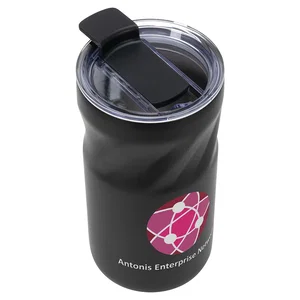

Branded swag is one of the simplest, lowest-cost levers a company has for keeping people. When employees receive thoughtful custom promotional products (apparel, drinkware, tech, and corporate gifts), they feel seen, stay longer, and become walking ambassadors for your brand. This guide answers the questions HR and people-ops teams actually search for: do promo products improve retention, which items work best, when to give them, and how preferences shift by generation and gender.
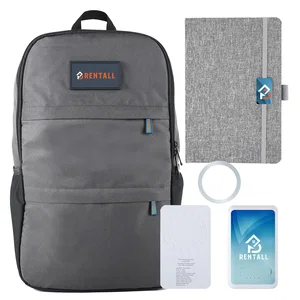
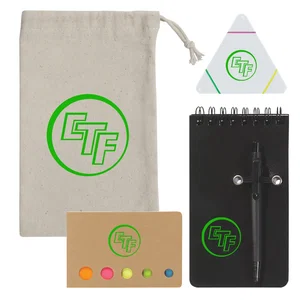
Employee Onboarding and Welcome Kits
View all employee gifts →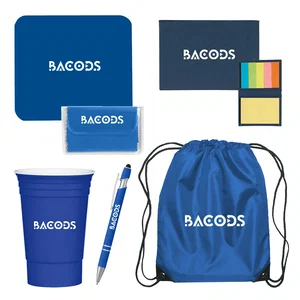
Do Promotional Products Improve Employee Retention?
Yes. Branded merchandise turns abstract appreciation into something employees can hold, wear, and use, which strengthens their connection to the company.
Employee retention is a top challenge in today's job market. U.S. wage and salary workers had been with their current employer a median of 4.1 years in January 2026 (U.S. Bureau of Labor Statistics), and Gallup says replacing an employee can cost one-half to two times their annual salary. That pressure is exactly why low-cost, high-visibility tactics like branded swag earn their place in a retention strategy.
Promotional products help because they make recognition concrete. Thoughtful items (company-logo drinkware, custom apparel, or branded desk gear) signal that an employee is valued, and feeling valued is one of the strongest predictors of whether someone stays. Gallup reports that bottom-quarter teams for engagement see 18% to 43% more turnover than top-quarter teams than highly engaged teams.
A few ways branded merchandise supports retention:
- Longer tenure. Engagement is what Gallup ties to lower turnover, and recognition feeds it. Pairing physical swag with a moment of acknowledgment (a manager handing over a gift at a work anniversary) reinforces that the recognition is genuine, not automated.
- Stronger loyalty. Items that carry the company logo create a daily, tangible reminder of belonging (a mug on the desk, a jacket worn on weekends) that keeps the connection top of mind between formal reviews.
- Higher engagement. Employees who feel appreciated are more motivated and collaborative, and that engagement is what ultimately keeps people in their seats.
Can Branded Apparel and Merchandise Improve Morale and Engagement?
Beyond retention, branded items foster pride and a sense of belonging. The effect is strongest when the merchandise clears a quality bar your team would be happy to be seen with. That's why apparel programs (a well-made custom t-shirt, a fleece jacket, a branded polo) punch above their weight: people wear them in public and feel represented by them.
The morale benefit is amplified for employees who already feel ownership over the company's direction, and for teams where leadership visibly participates in the same program. A swag program leadership ignores reads as obligatory; one leadership wears reads as culture.
If you're weighing whether the spend is worth it, our companion guide on whether company swag is worth it and its tax implications walks through the cost-benefit and the deductibility rules in plain English.
Which Promotional Products Are Best for Employee Retention?
The highest-impact categories share one trait: people genuinely use them. That maximizes both the morale benefit and the free brand exposure. Popular, well-loved picks include:
- Apparel: t-shirts, sweatshirts, and jackets are the most-worn category, on and off the clock. Browse the full apparel collection for options across price points.
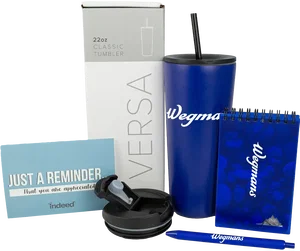
- Drinkware: branded tumblers and water bottles sit on desks and travel everywhere, making them constant, low-key reminders of recognition.
- Bags and totes: tote bags and backpacks get reused for years and carry your logo through grocery stores, airports, and gyms.
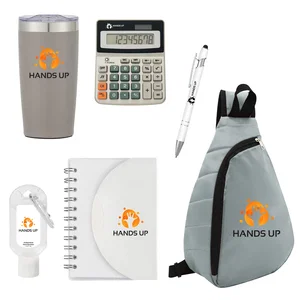
- Notebooks and desk gear: notebooks and writing sets suit onboarding kits and team-wide rollouts.
For formal milestones (service anniversaries, top-performer recognition), pair a useful item with something from your awards and recognition lineup to mark the moment. For names and categories to use, see these employee award ideas.
When Should You Give Promotional Products to Employees?
Timing matters as much as the item. The strongest occasions to give branded merchandise:
- Onboarding / orientation: A welcome kit makes a strong first impression and builds belonging on day one.
- Work anniversaries: Recognize loyalty and reinforce an employee's value to the team.
- Promotions: Celebrate career milestones and motivate continued growth.
- Holidays and seasonal moments: Show appreciation during festive seasons or after a big push.
Many people also appreciate a lighter, recurring cadence rather than a single annual drop. A simple gifting calendar, a couple of well-chosen touchpoints across the year, keeps appreciation feeling consistent instead of one-and-done. A monthly employee of the month program is an easy way to build that rhythm.
Can Promotional Products Turn Employees Into Brand Ambassadors?
Yes, because branded items travel. Because the most popular categories (apparel, drinkware, and bags) get used outside the office, your employees effectively become brand ambassadors, putting your logo in front of new audiences at no extra cost. That visibility can quietly support recruiting and word-of-mouth, especially when the gear is well made enough that people choose to wear it.
The items most likely to leave the building:
- Apparel: t-shirts, sweatshirts, and jackets
- Drinkware: water bottles and travel mugs
- Bags and totes
Choose desirable, on-brand items and your own workforce extends your marketing reach. For more on building a swag program that people actually want, see our smart tech swag ideas for growing startups and trade show swag guide.
Do Generations Prefer Different Promotional Products?
Yes, preferences shift across age groups, so a one-size-fits-all gift leaves morale on the table. The general patterns to plan around are below.
Gen Z and Millennials
- Lean toward sweatshirts and jackets
- Gen Z gravitates to tote bags and portable tech like speakers
- Millennials favor notebooks and charging accessories
Generation X
- Values versatile tech: power banks and chargers
- Still appreciates classic apparel like sweatshirts and jackets
Baby Boomers
- Rank jackets and charging accessories highly
- Often prefer fleece and cozier apparel
The practical takeaway isn't to over-engineer per-generation gifts. It's to offer choice. A small menu of options across apparel, drinkware, and tech lets people self-select what they'll actually use.
Do Men and Women Prefer Different Gifts?
Slightly, though there is heavy overlap, and a few patterns are worth noting when you build a selection. The table below lists them.
| Group | Often-Preferred Items |
|---|---|
| Women | Notebooks, tote bags |
| Men | T-shirts, water bottles |
Both groups rank sweatshirts and jackets highly. As with generations, offering variety, rather than guessing, ensures you cater to everyone.
How Do You Get the Most From Employee Swag?
Plan for use, timing, and choice, and the spend goes further. To get the most from your investment:
- Lead with craftsmanship. One item people are proud to wear beats a drawer of throwaways. Work with a reputable vendor so the product reflects well on your brand.
- Offer variety. Mix apparel, tech, drinkware, and everyday-use items so people can pick what fits them.
- Personalize where you can. A name, a team, or a milestone turns a generic item into a kept one.
- Align with company values. Eco-conscious companies might choose sustainable or recycled-material products, for example.
- Gather feedback. Survey employees on what they liked and use it to refine the next round.
- Create a gifting calendar. Plan distribution across the year for consistent, predictable appreciation.
Build an employee gifting program your team will actually wear
Frequently asked questions
Do promotional products really improve employee retention?
They can help, but only as part of real recognition. Gallup finds teams in the bottom quarter for engagement see 18% to 43% more turnover than top-quarter teams, and a useful gift given with a genuine thank-you supports engagement. A gift alone will not fix pay, workload, or management problems.
What are the best promotional products for employees?
The best items are the ones people use daily, mainly apparel, drinkware, and bags. Jackets, tumblers, and tote bags leave the office and keep working as recognition. Offer a small menu so each person can pick what fits.
When should you give employees branded gifts?
Give them at moments that already matter: onboarding, work anniversaries, promotions, and after a big push. A lighter recurring rhythm, such as a monthly recognition program, feels steadier than one annual drop.
How much should you spend on employee gifts?
Match the spend to the moment, not to a fixed number. A welcome kit or a milestone jacket can justify more than a holiday item. Ask your tax adviser about deductibility, and see our guide to company swag and tax implications.
Should employee gifts be personalized?
Yes, when you can. A name, a team, or a milestone date turns a generic item into one people keep. Personalization also signals that someone chose the gift for them.
Do younger and older employees want different gifts?
Somewhat. Younger staff lean toward sweatshirts, totes, and portable tech, while older staff often value chargers and cozy apparel. Because tastes overlap, offering choice works better than guessing by age.
Conclusion
Promotional products are one of the highest-leverage, lowest-cost tools for employee morale and retention, but only when they're chosen with care. The formula is consistent: pick well-made, genuinely useful custom items, give them at moments that already matter, and offer enough variety that people can choose what they'll keep. Do that, and branded swag stops being a giveaway and becomes a real signal of belonging.
Ready to build an employee engagement program that sticks? Contact our team to explore customizable options tailored to your workforce, from onboarding kits to anniversary gifts.
Shop Related Categories
Share this post with your team
Send it to a colleague or save it for later.
Related Articles

Office Holiday Party Ideas: A Planner's Guide With Games, Countdown and Free Printables (2026)
A planner's toolkit for the person who got handed the party: a format picker, an eight-week countdown, nine games with full rules, copy-ready awards, remote-team ideas and two free printables.

Trivia Team Names: 350+ Funny, Clever and Work-Safe Ideas (Plus a Build-Your-Own Formula)
More than 350 original trivia team names for bar night, the office and fundraisers, a 30-second formula for building your own, a mini kit for hosting, and two free printable score sheets.

Breast Cancer Awareness Quotes, Slogans and Sayings: 200+ for Shirts, Walks, Cards and Posts
More than 200 original breast cancer awareness quotes, slogans, sayings, captions and card messages, sorted by where you will use them, plus what to say to someone going through it and how to print a slogan well.

Football Quotes: Who Really Said the Famous Ones (Plus Game-Day Sayings)
Famous football quotes checked against the record, with the sources we could find, the lines nobody can trace, and original short sayings for rally towels, foam fingers, cups, shirts and signs.