
When Your Logo Redesign Backfires: What Cracker Barrel's Mistake Teaches Us About Brand Identity



A logo redesign can refresh your brand, but when it misses the mark, it risks alienating loyal customers. Cracker Barrel's recent rebrand dropped its iconic "Old Timer" imagery, sparking backlash and forcing a quick reversal. This misstep shows how easily brand identity can be weakened, and why businesses must balance modernization with consistency.
You know what? Sometimes the smartest business move is admitting you messed up. Just ask Cracker Barrel, who learned this lesson the hard way after their logo redesign sparked a customer revolt that had them backpedaling faster than you can say "chicken and dumplings."
Here's the thing: when you've spent decades building emotional connections with customers through your promotional products, branded merchandise, and visual identity, you can't just flip a switch and expect everyone to follow along. The Southern restaurant chain discovered this truth after attempting to modernize their iconic logo, only to face such intense backlash that they reversed course within days.

Shop Custom Branded Apparel
View all →


What Happened With the Cracker Barrel Logo Redesign?
The Lebanon, Tennessee-based chain first opened in 1969 with a text-only logo, and the "Old Timer" imagery (the man leaning against a barrel beside a rocking chair) was added in 1977, according to Fox Business. The 2025 redesign removed him entirely. PBS NewsHour describes the replacement as "a text-only logo and a minimalist modern design."
The reaction was instant. Social media filled with complaints. Within days the company said it would keep the original "Old Timer" logo, telling guests: "We said we would listen, and we have."
Why Did Cracker Barrel's Logo Change Hit So Hard?
Cracker Barrel did more than change a logo. They accidentally attacked memories. Since 1977, that familiar barrel and rocking chair design has appeared on everything from custom promotional items to highway billboards, becoming shorthand for road trip pit stops and comfort food cravings.
The redesign itself wasn't terrible from a technical standpoint. It featured cleaner lines, simplified graphics, and better digital scalability. But here's where they fumbled: they forgot that logos are more than graphics. They're emotional anchors, especially for heritage brands.
When customers saw that stripped-down, corporate-looking design, they didn't see progress. They saw their favorite homey restaurant trying to become something it wasn't. And boy, did they let Cracker Barrel know about it.
What Does Getting Your Brand Identity Wrong Cost?
It costs you customer trust first, and then the time and money of re-branding every sign, product and screen your logo lives on.
Businesses often underestimate how deeply their visual identity connects with customer emotions. Your logo appears on every promotional product, every piece of marketing material, every branded item your company produces. It's more than a design. It's a promise. (It also has real downstream costs: even the tax treatment of company swag changes once your branding lives on physical merchandise.)
Think about it this way: when you order custom branded merchandise for your business, you're doing more than slapping a logo on products. You're creating touchpoints that reinforce your brand story every single time someone uses that item. Cracker Barrel's customers had been collecting branded merchandise, seeing that logo on gift shop items, and associating it with family memories for generations.
The backlash was swift and brutal. Social media lit up with complaints. The stock price slipped. Long-time customers felt betrayed. Plus, the company would have faced the operational headache of updating signage and branded products at every store. PBS NewsHour framed the change as part of a much larger rebrand, so the logo was only the most visible piece.
The company defended the new look at first, and Fox Business notes it claimed most survey respondents liked the design. But the customers who spoke up weren't buying it. Sometimes "if it ain't broke, don't fix it" really is the best advice.
How to Modernize a Logo Without Alienating Customers
So how do you modernize without alienating your base? In our experience helping businesses brand everything from promotional products to trade show giveaways, successful brand evolutions follow a few key principles that Cracker Barrel seemingly forgot.
First, they test extensively with actual customers, beyond focus groups alone. When you're updating your custom logo products or branded materials, you need real feedback from the people who actually use and love your brand. Those loyal customers who've been collecting your branded promotional items for years? They're your best consultants.
Second, smart brands evolve incrementally. Look at how Starbucks has refined their logo over the years: subtle changes that modernize without shocking the system. Each update maintains the core elements while improving functionality. Your branded promotional products should follow the same principle: enhance, don't erase.
Third, and this is crucial: respect the emotional equity you've built. Every custom promotional gift, every branded item, every piece of merchandise with your logo has contributed to your brand story. You can't just throw that away because minimalism is trendy.
Why Do Customers Get So Attached to a Logo?
Customers attach memories and feelings to a logo they have seen for years, so changing it can feel like losing something personal. That is why changing your visual identity carelessly can feel like a betrayal to loyal customers.
This psychological connection is exactly why promotional products work so well for building brand loyalty. Every time someone uses a branded mug or wears a custom shirt, they're reinforcing positive associations with your company. A consistent logo on a stainless steel tumbler or a 10 oz. cotton canvas everyday tote keeps your identity in front of people for years. It's powerful stuff when done right: the same reason swag earns its place in any employee morale and retention strategy.
Cracker Barrel's original logo worked because it told a story. The barrel, the rocking chair, the rustic fonts: they all whispered "slow down, relax, you're home." The new version? It screamed "corporate efficiency." Not exactly the vibe you want when you're selling nostalgia and comfort food.
By the way, this goes beyond restaurants. The same principles apply to designing custom business promotional products and to updating your company's visual identity. Your logo needs to honor where you've been while pointing to where you're going.
What Can Your Brand Learn From Cracker Barrel?
The short answer: test with real customers, protect your most loved elements, and change slowly. Let's get practical here. What can your business learn from Cracker Barrel's misstep? These lessons matter if you're ordering promotional merchandise or considering a rebrand.
Test Before You Leap: Before you change anything that appears on your branded merchandise, test it with real customers. Not your design team, not your board of directors: actual customers who buy from you regularly.
Protect Your Emotional DNA: Identify the visual elements that carry the most emotional weight for your customers. Maybe it's a specific color, a particular font, or an iconic symbol. These elements should be treated as sacred when updating your promotional items with logo.
Consider the Ripple Effect: Remember that changing your logo means updating everything: every custom promotional product, every piece of signage, every digital asset, and every example of promotional material you've already produced. The cost goes beyond the financial; it's operational and emotional too.
Evolution Beats Revolution: Small, thoughtful updates to your branded materials usually work better than dramatic overhauls. Your customers should feel like you're growing with them, not leaving them behind.
Was Reversing the Rebrand the Right Call?
Yes, reversing quickly limited the damage and showed customers the company was listening.
You've got to hand it to Cracker Barrel. They read the room and responded quickly. Within days of the backlash, they announced they were reconsidering the rebrand. That takes guts, and honestly? It was the right call.
Sometimes the best marketing strategy is admitting when you've misread your audience. Cracker Barrel's quick reversal showed they were listening, which probably saved more customer relationships than any modernized logo could have attracted.
This whole saga reminds me why consistency matters so much in branding. When customers see your logo on promotional products for business, they should immediately know what you stand for. Change that too drastically, and you risk losing the very people who made you successful.
How Do You Update Your Brand Without Losing Its Soul?
You start with customer research, test several options on real products, and roll the change out gradually.
So what's a brand to do when they genuinely need to modernize? Here's what works, based on both successes and failures like Cracker Barrel's:
Start with research, not assumptions. Survey customers about what visual elements matter most to them. Which aspects of your current branded promotional items do they love? What could be improved?
Create multiple options and test them in real-world scenarios. Mock up your new design on actual promotional merchandise and see how it looks. Does it work on a pen? A t-shirt? A billboard? Digital screens?
Roll out changes gradually if possible. Maybe start with updating your promotional marketing materials in test markets before going nationwide. The same audience-first thinking applies to refreshing a logo or planning trade show swag. This gives you room to adjust based on feedback.
Most importantly, never forget that your brand is more than what you sell. It's how you make people feel. Every custom promotional gift, every branded interaction, every visual touchpoint contributes to that feeling.

What Is the Bottom Line on Brand Evolution?
Evolve your brand at the pace your customers can follow, and never erase the parts they love most.
Look, I get it. Staying relevant in today's market is tough. You want to attract younger customers without alienating your base. You need designs that work digitally but still carry weight in the physical world. It's a delicate balance, especially when your brand appears on thousands of promotional products and marketing materials.
But Cracker Barrel's experience proves that some things shouldn't be rushed. Your visual identity took years to build meaning in customers' minds. Changing it requires the same level of thoughtfulness and care you put into building it.
From a massive restaurant chain to a local business ordering your first batch of custom promotional items, the lesson is clear: respect the emotional connections you've built. Your logo is more than a design. It's a relationship.
How Can Promotional Products Help Your Brand Identity Last?
They put a consistent logo in people's hands every day, which keeps your identity familiar.
Creating memorable brand experiences goes beyond having a great logo. It's about consistently reinforcing your identity across every customer touchpoint. That's where strategic use of promotional products comes in.
When you're ready to strengthen your brand presence with well-made custom merchandise that tells your story the right way, explore our promotional products for business. Put your logo on custom drinkware employees actually keep, branded apparel people wear out, or corporate employee gifts that reinforce the relationship. From classic branded items that build trust to innovative promotional solutions that capture attention, we'll help you create lasting connections without losing what makes your brand special. Because sometimes, the best innovation is knowing what not to change.
Frequently asked questions
When did Cracker Barrel change its logo?
Cracker Barrel announced its new logo in August 2025 and reversed the decision within days after customer backlash. The company restored the "Old Timer" logo it had used since 1977.
What did the new Cracker Barrel logo remove?
The new logo removed the "Old Timer" man and the barrel, leaving a text-only wordmark. Critics felt it looked corporate and lost the brand's homey character.
Why did customers dislike the Cracker Barrel rebrand?
Customers disliked it because the old logo carried decades of memories, and the new one felt generic. Many saw it as the brand walking away from the nostalgia it sells.
How can a business update its logo safely?
Test the new design with real customers, keep the elements people recognize most, and roll changes out gradually. Mocking the logo up on real products, from pens to t-shirts, shows problems early.
Do I need to replace all my branded merchandise after a logo change?
Not all at once. Most businesses phase in the new logo as they reorder products, so existing items keep working while new stock carries the update.
Put your brand on products people keep
Shop Related Categories
Share this post with your team
Send it to a colleague or save it for later.
Related Articles
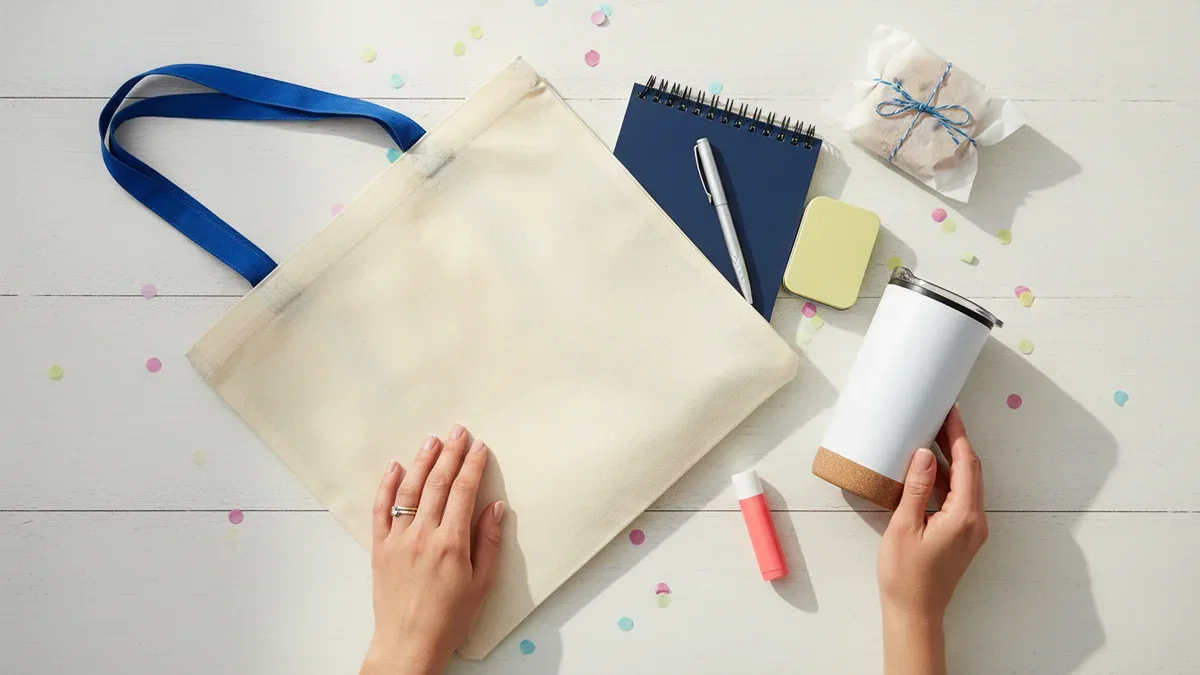
Swag Bag Ideas: What to Put in One, a 5-Item Formula and 12 Ready-Made Bags
A builder's guide to swag bags: what a swag bag is, a five-item formula, twelve ready-made bags to copy for events, new hires and clients, the count and assembly steps nobody explains, and a free printable planner.
Customer Appreciation Gifts That Build Real Loyalty
Customer appreciation gifts keep your name in front of buyers long after the sale. This guide covers branded gift ideas for every budget, from small thank-you items to polished client gift sets.
Grand Opening Marketing Ideas to Pack the House
A great grand opening does not happen by luck. It is engineered weeks in advance. Here is a practical playbook of promotions, giveaways, and signage that fills your store on day one and keeps people coming back.
Top Ways to Use Tower Gift Sets for Corporate Gifting and Promotions
Gift tower promotions leverage multi-tiered unboxing psychology to boost employee recognition, client loyalty, and brand visibility through strategic marketing that creates lasting emotional connections.