
Car Magnet Advertising: How It Works and How to Buy
 Daniel WhitmoreCorporate Content Creator
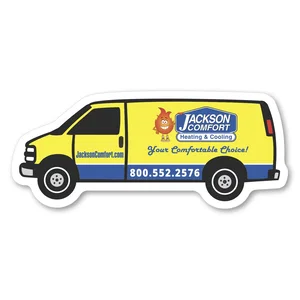
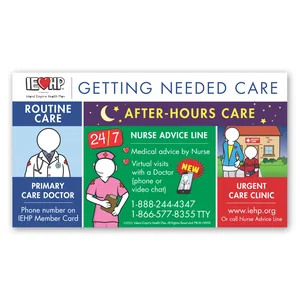
A single work truck parked at a job site, sitting in traffic, or idling in a grocery store lot is seen by a steady stream of drivers and passersby. Car magnet advertising is a low-cost, low-commitment way to put that everyday driving to work. You order the magnets once, slap them on when you want to be on the clock, and peel them off when you do not. The catch is that not all magnets are created equal. Thickness, size, and design decide whether yours stay put and actually get read. This guide walks through every decision so you buy the right magnet the first time.
Custom Car Sign Magnets
View all car magnets →





What Is Car Magnet Advertising and How Does It Work?
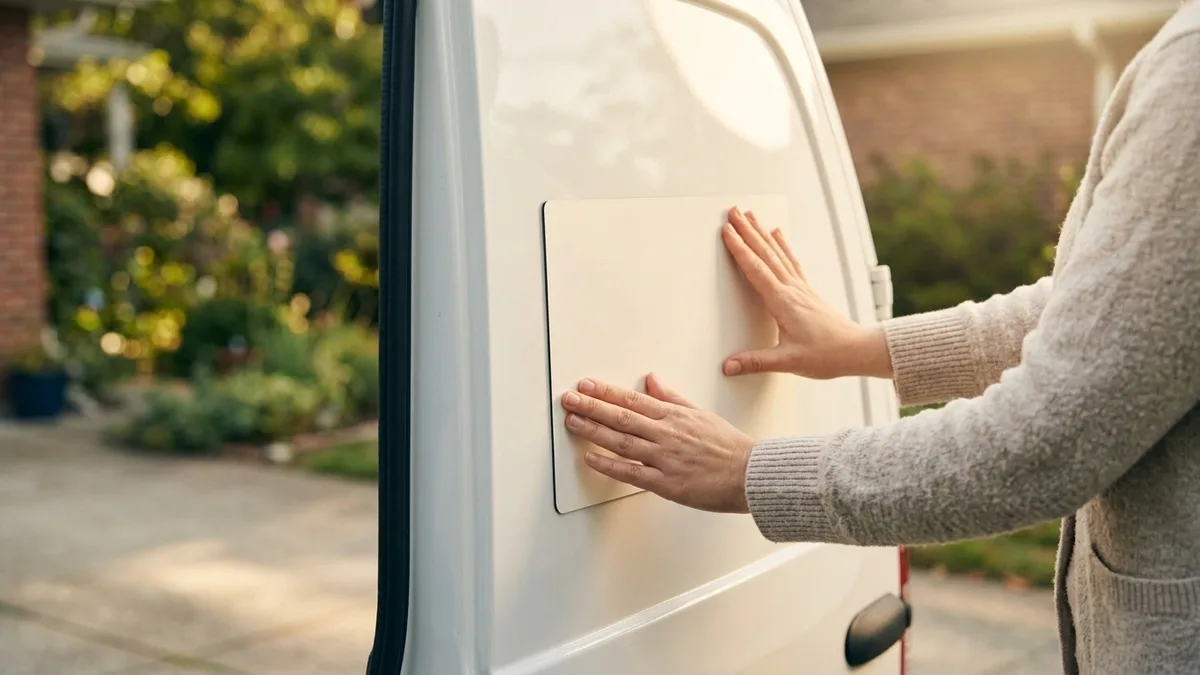
A car magnet is essentially a printed face (your logo, message, and contact info) laminated onto a sheet of flexible ferrite magnet material. When you set it against a steel door or tailgate, the magnetic field grips the metal and the magnet stays put through normal driving, wind, and weather.
The appeal is the reusability. Unlike a vinyl wrap or decal, a magnet is not a permanent decision. A real-estate agent can run branded magnets during showings and pull them off before a weekend road trip. A contractor can mark company trucks during the week and keep the personal pickup unmarked. That on-demand flexibility is the single biggest reason businesses reach for magnetic car signs instead of committing to a wrap. Vehicle advertising magnets also work as magnetic business signs: the same sign that marks a van on a job can be moved to a different vehicle the next day.
One important limit: magnets only stick to ferrous (steel) panels. Many modern vehicles use aluminum hoods, fiberglass, or plastic bumpers and trim, and a magnet will simply slide off those. Test placement on the door panels first, which are steel on the vast majority of cars and trucks.
Do Car Magnets Damage Your Paint? (And How to Prevent It)
This is the number-one worry buyers have, and the honest answer is that the magnet itself is not the threat. What gets caught underneath it is. Tiny grit particles pressed between the magnet and the panel can create micro-scratches over time as the magnet vibrates while you drive. Trapped rainwater can also sit against the paint and, on older finishes, contribute to dullness or a visible ghost outline.
Prevention is simple and worth the two minutes it takes:
| Practice | Why it matters |
|---|---|
| Wash and dry the panel before applying | Removes grit that would otherwise scratch |
| Wipe the magnet's back side too | Keeps both contact surfaces clean |
| Remove and reposition every few days | Stops moisture from pooling in one spot |
| Take magnets off before a car wash | High-pressure water can force the edge up |
| Store flat, face-up, not folded | Folding cracks the magnet and warps the seal |
Follow those and your paint stays untouched. The same care routine also extends the life of the magnet's printed face, so the colors stay vivid instead of fading.
What Thickness and Size Should a Car Magnet Be?
Thickness is measured in mils (thousandths of an inch), and it directly controls holding power. A thin promotional magnet might be fine for a refrigerator, but on a car door at 65 mph it can catch the wind and peel off. The extra thickness gives you more magnetic material gripping the steel and more rigidity to fight wind lift.
When you are weighing options, think about how the vehicle is used. For mostly city driving with frequent stops, a standard thickness performs well and costs less. For highway and freeway miles, step up to a thicker magnet for a confident hold at speed. And for slightly curved panels, thicker, more rigid material conforms better and seals at the edges.
Size is the other half of the equation. The goal is a three-second read from a neighboring lane, which means the logo and core message need to be big. A magnet that is too small disappears against a large door; one that is too large can overlap body lines, handles, or trim and lift at the edges. The popular picture-frame style car magnets and standard rectangles are sized to sit cleanly within a typical door panel. Measure your flattest panel before you order.
How Should You Design a Car Magnet So People Can Read It?
The most common design mistake is treating a car magnet like a brochure. Drivers and pedestrians see your vehicle for two or three seconds. Cram in five services, a paragraph of copy, and three phone numbers and they remember none of it. Edit ruthlessly.
A few rules that consistently work for vehicle magnets used for advertising:
- Lead with the logo. Brand recognition is the whole point. Make it the largest element.
- One message, big. "Plumbing & Drain Repair" beats a bulleted service menu.
- One call to action. Pick the phone number or the website, not both. A memorable phrase like a custom domain or a vanity number sticks better than a long URL.
- Maximize contrast. Dark text on a light field (or the reverse) reads at distance; subtle, low-contrast palettes vanish.
- Leave breathing room. White space is what makes the message pop from across an intersection.
Color and finish matter too. Outdoor UV exposure will fade weak inks, so a quality printed-and-laminated magnet keeps its punch far longer. If your branding already runs across other promotional marketing materials, match the magnet's colors and fonts so the vehicle reinforces the same identity customers see everywhere else.
Who Uses Car Magnet Advertising?
Realtor car magnets suit agents who drive their own cars to showings and want branding only while they work. Real estate car magnets read best with a name, a brokerage logo, and one phone number. Company car magnets suit contractors and cleaners who work from vans and pickups, and a business logo car magnet on each front door makes a plain truck look like a fleet vehicle. Food truck magnetic signs give a mobile kitchen a quick way to show its name and menu focus at a street fair or lot. Any of these counts as car magnet marketing: you are paying for a sign that goes where your work goes.
If you already have a logo, a car logo magnet can be as simple as the logo on its own, centered on the door. Car signs are one part of our custom magnets range, which also covers advertising magnets in other shapes and custom magnetic signs for indoor use. For more ways to brand a vehicle and the people who ride in it, see our automotive promotional products.
Car Magnet Decals vs. Vinyl Decals: Which Should You Choose?
Both options put your brand on the road, but they solve different problems. The phrase car magnet decals gets used for both, but they are different products: a magnet holds by magnetism and a decal by adhesive. Magnets are the rental-friendly, low-commitment choice; decals are the permanent, polished choice. Here is how they compare on the factors that usually decide it:
| Factor | Car Magnets | Vinyl Decals |
|---|---|---|
| Removable / reusable | Yes: peel on and off | No: single-use, removal can be tedious |
| Surface needed | Flat steel panels only | Adheres to steel, aluminum, plastic, curves |
| Best for | Personal cars, part-time use, multiple vehicles | Dedicated fleet, permanent branding |
| Upfront cost | Lower per unit | Higher, especially full wraps |
| Look | Clearly a removable sign | Flush, painted-on appearance |
If you drive a personal vehicle and only want to advertise on the clock, or you swap branding across a few cars, magnets are the obvious pick. If you run dedicated service trucks that should look fully branded all the time, decals or a wrap earn their higher cost. Plenty of operations split the difference, and a dealership or service business might run magnets for loaner cars and permanent graphics on the shuttle van.
How to Order Custom Car Magnets for Your Business
Buying the right car magnet comes down to a short checklist:
- Measure first. Find the largest flat steel panel and choose a magnet size that sits inside it without crossing body lines or handles.
- Pick your thickness. Default to a thicker magnet if the vehicle sees real highway speed; it is cheap insurance against wind lift.
- Finalize the design. Apply the legibility rules above, or send us your logo and let our team lay it out. Need ideas first? Our overview of what promotional products do for a business is a good primer.
- Order in pairs (or more). One magnet per door means your branding shows from both sides, and if you run several vehicles, order enough to outfit the whole crew.
- Review a proof. Confirm the colors, spelling, and phone number on a proof before anything prints.
Browse the full range of shapes and styles (from standard rectangles to oval, square, and circular magnetic car signs), and our team can help you spec thickness and size for your specific vehicle. For larger or specialty applications, our transportation magnets and broader range of promotional magnets cover everything from fleet panels to indoor signage.
Ready to put your brand on the road?
Custom car magnets are a practical promotional tool for a small business: a low one-time cost, instant on-and-off flexibility, and daily exposure to everyone your vehicle passes. Get the thickness and size right, keep both surfaces clean, and design for a three-second glance. Do that, and a quiet commute quietly becomes your most affordable advertising channel.
Magnets brand the outside of the vehicle; for the inside, pair them with branded car air fresheners so your logo reaches the driver and every passenger for weeks. Together they make a complete vehicle branding package, and our auto promotional items add more pieces to it.
Frequently asked questions
Will a car magnet fall off on the highway?
A car magnet of 30 mil or thicker, applied flat to a clean steel panel, should hold at highway speed. Thin magnets and magnets placed over body lines or trim are the ones that catch the wind and lift.
Do car magnets work on every vehicle?
No, car magnets only stick to steel panels. Aluminum, fiberglass, and plastic parts will not hold a magnet, so test the doors first, since they are steel on most cars and trucks.
How often should you take a car magnet off?
Take a car magnet off every few days to clean and dry both surfaces. This stops grit and moisture from building up underneath and helps protect the paint.
Can you put a car magnet through a car wash?
No, remove car magnets before any car wash. High-pressure water can force up an edge and push the magnet off the vehicle.
How should you store car magnets when you are not using them?
Store car magnets flat and face-up, never folded or rolled tightly. Folding can crack the magnet and warp its edges so it no longer seals against the panel.
Shop Related Categories
Share this post with your team
Send it to a colleague or save it for later.
Related Articles

Custom Air Fresheners for Cars: The Complete Marketing Guide
Custom air fresheners with your logo deliver weeks of in-car brand impressions at a low cost per piece. Here is how to choose shapes, scents, and formats, and how to order branded fresheners in bulk.
Emergency Kit List for Car: What to Keep in Your Trunk
A dead battery on a dark shoulder is no time to discover your trunk is empty. This emergency kit list for car owners covers what to carry, what to add for winter, and how to keep it ready.

How Car Air Fresheners Are Made: The Complete Manufacturing Process
How car air fresheners are made, step by step: the absorbent paperboard, fragrance oils, printing, die cutting, stringing and sealed packaging that decide how long the scent lasts.

7 Must-Have Promotional Items Every Car Dealership Needs to Boost Sales
You've closed the sale. The customer drives off the lot excited about their new vehicle. Then what? Most dealerships lose momentum right here.