
Trade Show Promotional Products: How to Buy Them Without Missing the Show

A buyer's guide to ordering trade show promotional products: when to place the order, which imprint method to pick, what artwork to send, how minimums and setup charges work, and whether to ship to your booth or your office.
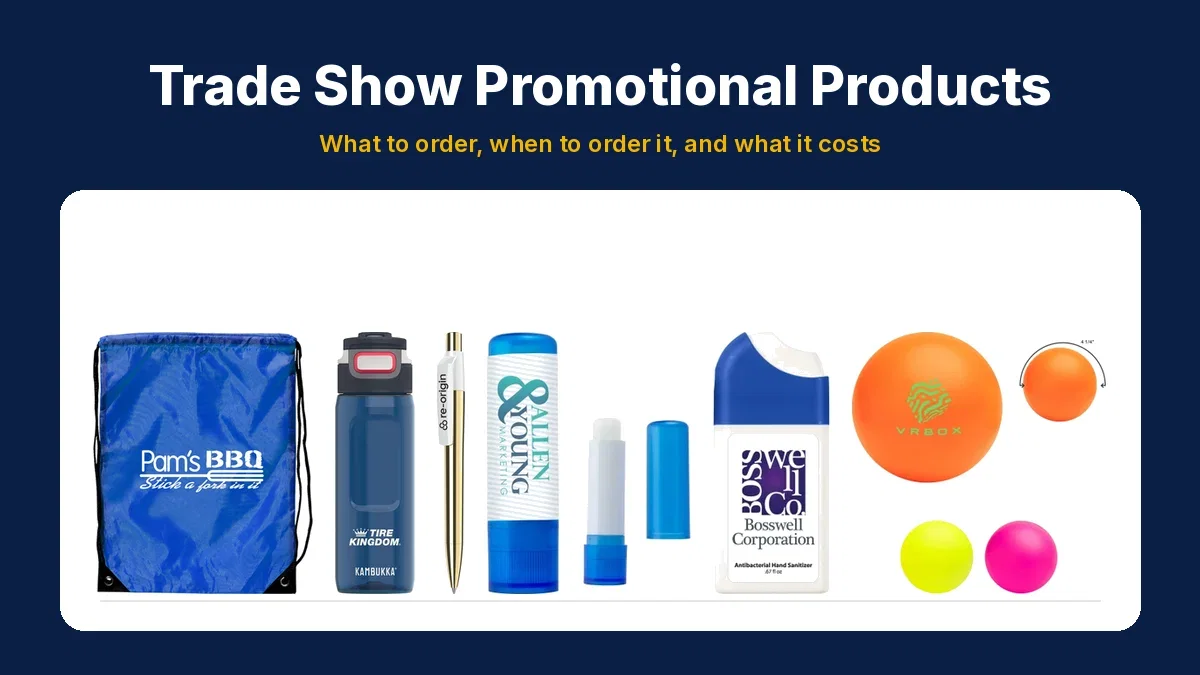
Trade show promotional products are the easiest part of an exhibit to get wrong, because almost nothing about ordering them works the way ordering anything else does. There are minimums, setup charges, proof approvals, and production clocks that only start once you approve artwork. Miss one step and the boxes arrive the day after the show closes.
This guide covers the buying side: when to order, what to send, what it costs, and where to ship it. If you are still deciding what to hand out, start with our 41 trade show swag ideas people actually keep and come back here to place the order.
Popular Trade Show Promotional Products
View all →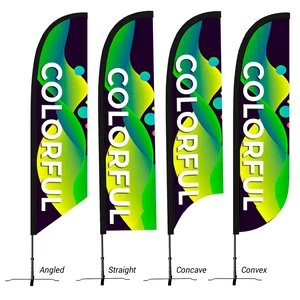
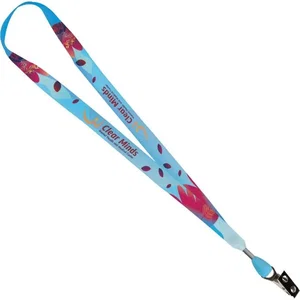

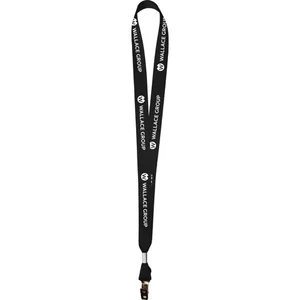
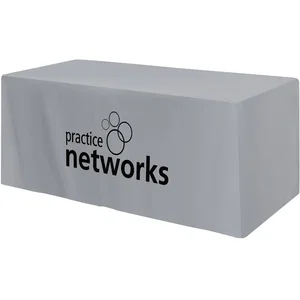
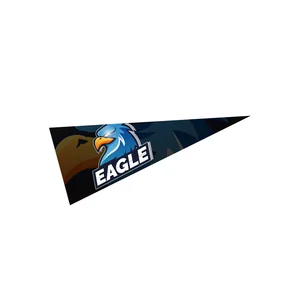
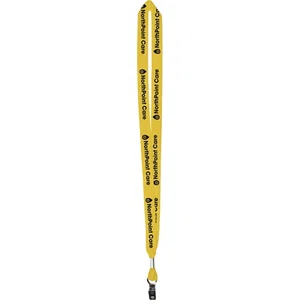
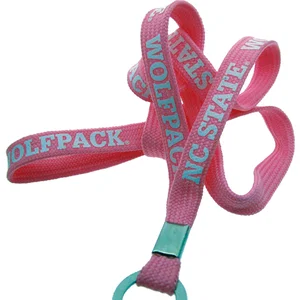
What Are Trade Show Promotional Products?
That distinction matters more than it sounds, because it changes who you buy from and how far ahead you order. Booth hardware is a capital purchase from a display company. Promotional products are a per-event order from a distributor, priced by quantity, decorated to order, and effectively non-returnable once your logo is on them.
The same items get called several things depending on who is writing the purchase order: trade show giveaways, promo items, conference giveaways, convention giveaways, swag, or branded merchandise. They all describe the same category. "Promotional products" is the term the industry and most finance departments use.
Because the items are customized, almost every order is final. There is no restocking a thousand mugs with someone else's logo on them. That single fact drives every recommendation below.
When Should You Order Trade Show Promotional Products?
The mistake nearly everyone makes is treating the quoted production time as the whole timeline. It is not. Production time is only the days a factory spends decorating your items after you sign off on a proof. Order entry, artwork cleanup, proofing, weekends, holidays, and transit all sit outside it.
Here is what production alone runs by decoration method, in business days:
| Imprint method | Production time | Typical use |
|---|---|---|
| Screen printing, 1 color | 3 to 5 days | Pens, bags, plastic drinkware |
| Screen printing, multi-color | 5 to 7 days | Totes, cups, apparel |
| Laser engraving | 5 to 7 days | Metal bottles, pens, tools |
| Embroidery | 7 to 10 days | Hats, polos, jackets, bags |
| Deboss or foil stamp | 7 to 10 days | Journals, leather goods |
| Full-color digital or transfer | 10 to 12 days | Photo art, gradients, multi-color logos |
Add proof turnaround on the front (usually 1 to 2 business days, plus however long your own approver takes) and ground transit on the back (typically 3 to 7 business days, longer coast to coast). A one-color pen order placed on a Monday realistically lands about two and a half weeks later. An embroidered polo order is closer to five weeks.
Rush production can compress eligible in-stock items to 1 to 3 business days, and expedited freight can pull transit down to overnight. Both carry surcharges, and rush availability depends on the item and the factory's queue, so it is a recovery plan rather than a strategy. Our production time guide breaks the full timeline down step by step.
One scheduling note specific to trade shows: if you are shipping to an advance warehouse, the warehouse deadline is usually 2 to 3 weeks before the show opens. Your real deadline is that date, not the show date.
Which Imprint Method Should You Choose?
A few rules that save reorders:
- Solid-color logos are cheaper everywhere. Every additional color in screen printing adds a screen, a setup charge, and a production pass.
- Laser engraving has no color. It burns or etches the substrate, so you get the natural tone of the metal or wood underneath. If your brand depends on a specific color, engraving will disappoint you.
- Gradients need full-color printing. A logo that fades from one color to another cannot be screen printed cleanly. Expect the longest production window.
- Imprint area is a hard limit. Every item has a printable area measured in inches. A wide horizontal logo on a narrow pen barrel gets scaled down until it is unreadable. Type the area into our free imprint size checker to see your logo drawn at actual size, with the finest detail that will survive the press.
- One color, one location is the default. Adding a second location, such as a back print or a side imprint, is a separate charge and a separate setup on most items.
Supplier capability varies by item, and some factories only offer a single decoration option regardless of what the product could theoretically take. Confirm the method before you build the artwork around it.
What Artwork Do You Need to Supply?
Vector art scales to any size without going soft, which is why factories require it. A 400-pixel PNG from a web page looks fine on screen and turns into a blurry edge at print resolution. If vector files no longer exist anywhere in your company, art teams can usually redraw a simple logo for a small fee, but that adds days.
Have these ready before you order:
- Vector logo file, fonts outlined, layers flattened where possible.
- PMS (Pantone) color numbers. "Our blue" is not a spec. Printing matches to PMS, and screen colors will never match printed ink exactly.
- A one-color version of your logo. Most trade show items are decorated in a single color, and a logo designed only in full color often needs a simplified variant.
- Whoever approves the proof, on standby. The production clock starts at approval. A proof sitting in an inbox over a weekend costs you two days you cannot get back.
Check the proof properly when it arrives. Confirm spelling, the color call-out, the imprint location, and the scale relative to the product. Approving a proof is the point where responsibility for errors transfers to you.
How Do Minimum Order Quantities and Setup Charges Work?
Three separate numbers decide what an order costs:
- Unit price, which drops at published quantity breaks (for example 250 / 500 / 1,000 / 2,500).
- Setup charge, a fixed fee to make the screen, digitize the embroidery file, or program the laser. Charged per color and per location.
- Freight, based on weight and distance. Drinkware and bags weigh far more than pens and cost meaningfully more to ship.
Two practical consequences. First, always price the next quantity break before you commit. The jump from 250 to 500 pieces is frequently a small increase in total cost and a large drop in cost per piece. Second, ordering one item in quantity beats ordering four items at their minimums, because you pay setup four times and never reach a real price break on any of them.
If you reorder the same item with unchanged artwork, ask whether the setup charge can be waived or reduced. Many factories keep the screen or embroidery file on record for a period after the first run.
Should You Ship to the Show or to Your Office?
This is the step that separates trade show orders from every other promotional product order, and it is where otherwise well-planned shows come apart.
Most shows give you two addresses. The advance warehouse accepts freight in the weeks before the show, holds it, and delivers it to your booth before you arrive. Its cutoff is typically 2 to 3 weeks ahead of opening day. Direct-to-show delivery accepts freight only during a narrow window on move-in days, at the dock, where nobody is waiting to receive it for you.
Both routes go through the show's official contractor and both incur drayage, a material handling fee charged by weight for moving your boxes from the dock to your booth and back. Drayage is billed separately from freight and regularly surprises first-time exhibitors who budgeted only for shipping. According to EXHIBITOR magazine, the weight is usually rounded up to the next hundred pounds (some contractors allow a few pounds of leeway), so a 301-pound shipment is typically billed as 4 CWT (hundredweight), and general service contractors typically charge a minimum weight per shipment of 2 to 3 CWT. The same article notes that overtime rates can cost as much as 50 percent more than standard rates.
A workable default:
- Order early enough to ship to your office. Open the boxes, count them, check the imprint, and repack. Bring what you can carry.
- Use the advance warehouse for anything heavy, such as full cases of drinkware or bags, and hit the warehouse deadline rather than the show date.
- Never ship the only critical item direct-to-show. If it goes missing during move-in, there is no recovery window.
- Read the exhibitor service kit before ordering. It carries the addresses, the deadlines, the drayage rates, and the labeling rules, and every show's differ.
Label every box with your company name, booth number, and show name exactly as the kit specifies. Unlabeled freight at a large show is effectively lost.
What Does a Trade Show Order Actually Cost?
| Cost component | When it applies | Notes |
|---|---|---|
| Unit price | Always | Falls at each published quantity break |
| Setup charge | Almost always | Per color, per location, per item |
| Freight | Always | By weight and distance; drinkware is heavy |
| Drayage | Shipping to the show | Charged by the show contractor, not by us |
| Rush fee | Under roughly 2 weeks | Production and/or expedited freight |
| Art or redraw fee | Non-vector logo supplied | Avoidable by sending vector files |
| PMS match charge | Exact color match required | Not charged on standard stock ink colors |
The two line items that blow budgets are drayage and rush, and both are avoidable with calendar discipline. Ordering six weeks out instead of two weeks out removes the rush surcharge entirely and gives you the option to ship to your office and skip drayage on the lighter items.
Need trade show products before your show date?
Send us your show date and we'll tell you what can still make it, with real production and transit timelines.
Frequently asked questions
How far in advance should I order promotional items for a trade show?
Order 4 to 6 weeks before the show for standard items, and 8 weeks for apparel, embroidery, full-color printing, or quantities above a few thousand pieces. If you are shipping to the show's advance warehouse, work backward from the warehouse deadline instead, which is typically 2 to 3 weeks before the show opens.
What is the minimum order for trade show promotional products?
Minimums are set per item by the factory and are listed on each product page, and larger items like bags and drinkware often start lower than small items like pens and lip balm. Because a fixed setup charge applies regardless of quantity, ordering at the bare minimum gives you the highest cost per piece.
Can I get promotional products in less than two weeks?
Often yes, on in-stock items with simple one-color imprints. Rush production can compress eligible items to 1 to 3 business days and expedited freight can cover the transit, both with surcharges. Availability depends on the specific item and the factory's queue, so confirm before you count on it.
What is drayage at a trade show?
Drayage, also called material handling, is a fee the show's official contractor charges to move your freight from the receiving dock to your booth and back out afterward. It is billed by weight, separately from your shipping cost, and it applies whether you use the advance warehouse or ship direct to the show.
Should I order the same giveaway for every attendee?
No. Tiering the order almost always performs better: an inexpensive item for anyone who stops, a mid-range item for people who engage, and a small quantity of something better for qualified prospects. Our trade show swag guide covers the budget tiers and quantity math in detail.
Are trade show promotional products returnable?
Custom-decorated items are not returnable, because they carry your logo and cannot be resold. This is why proof approval matters so much: once you approve the proof, the imprint is what you signed off on. Order a sample of the blank item first if the exact material or size is in question.
Shop Trade Show Categories