
New Hire Welcome Kit Ideas: What to Include and What It Costs

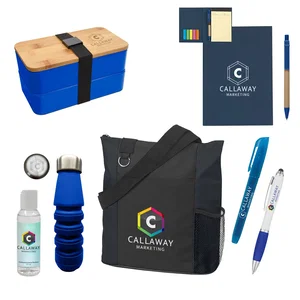
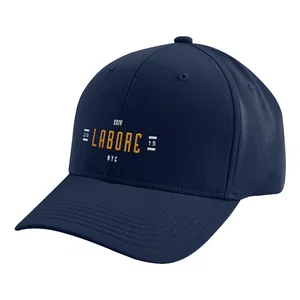

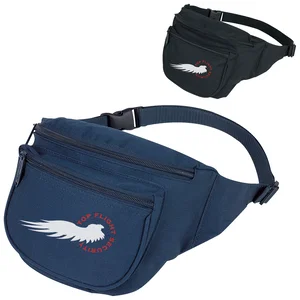
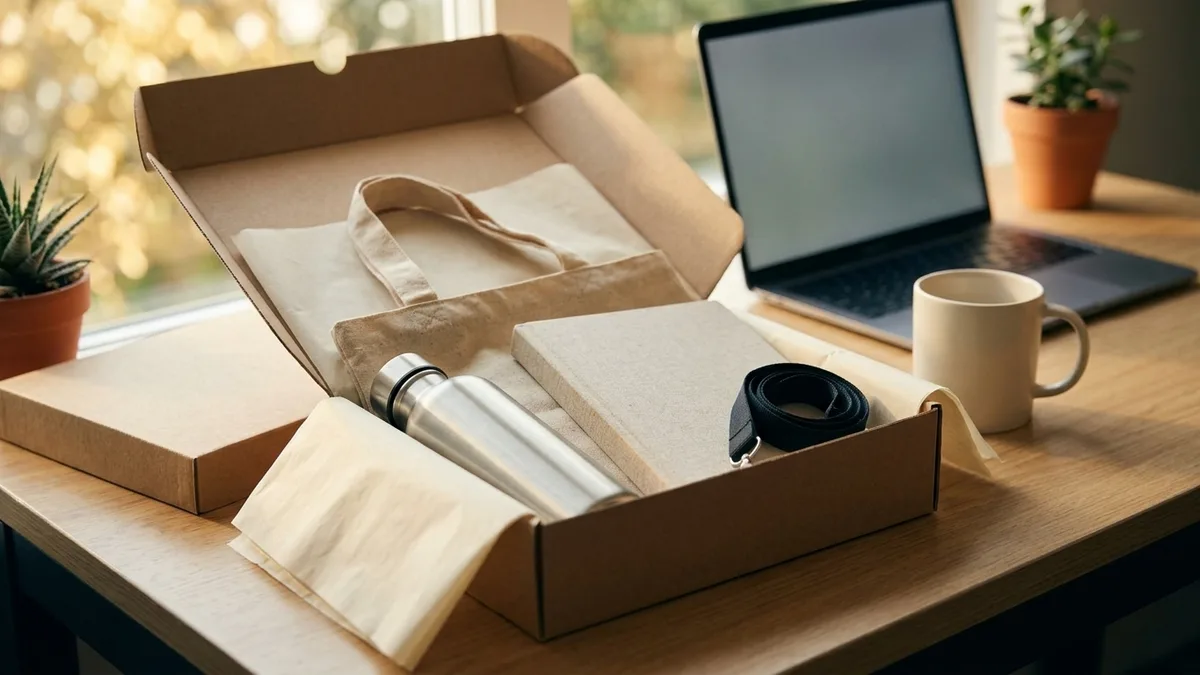
A new hire welcome kit is the box of work tools, branded gear, and personal notes that greets someone on their first day. It makes a person feel chosen rather than processed, puts your brand into their daily routine, and needs no HR department. It uses the same everyday items you would find in any roundup of promotional materials examples. This guide covers what to put in a kit, what each budget tier costs, how remote and in-office kits differ, and how to ship them before day one.
Shop Corporate Employee Gifts for Welcome Kits
View all →
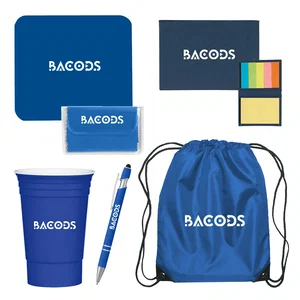
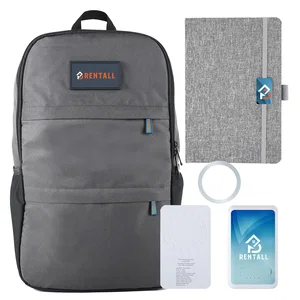
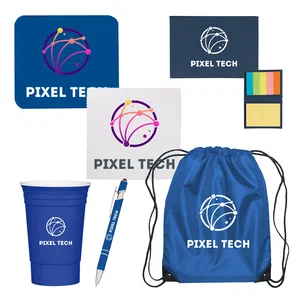
What should you put in a new hire welcome kit?
A new hire welcome kit should include three things: practical work tools (notebook, pen, tech accessories), branded items they'll keep and use (apparel, drinkware, a tote), and a personal touch (a handwritten welcome note and a quick-start guide). The mix matters more than the dollar amount. Useful plus personal usually beats expensive.
The best welcome kits answer a simple question on day one: "Do I have what I need, and do these people seem glad I'm here?" Hit both and you've done the job.
Start with the practical layer. A sturdy notebook and pen, a branded tumbler or water bottle for the desk, and any tech accessories the role requires (a charging cable, a stylus, a laptop sleeve) signal that you've thought about how this person actually works. These items get used immediately, which is exactly what you want in the first week.
Layer in branded keepers next. A soft, genuinely wearable piece of promotional apparel, a sturdy tote, or an insulated drinkware item earns a permanent spot in someone's life. As we cover in our guide to why custom promotional products are essential for small business success, the items people keep are the ones that keep working for your brand long after onboarding ends.
Finish with the human layer. A handwritten note from the founder or manager, a one-page "your first week" guide, and a small treat cost almost nothing but carry most of the emotional weight. This is where a small business can out-onboard a large competitor. Personal scales down beautifully. When that person reaches a first big milestone, our recognition awards keep the welcome going.
What are the best new hire welcome kit ideas by budget?
Plan around three tiers: under $25, $25–$50, and $50+. Under $25 covers the essentials (pen, notebook, sticker, welcome note); $25–$50 adds a branded tumbler and a quality apparel or tote piece; $50+ delivers a full gift-set experience with upgraded drinkware, apparel, and tech.
Tying spend to the role keeps the gesture sustainable. Here's a practical starting framework:
| Budget tier | Core contents | Best for |
|---|---|---|
| Under $25 | Branded pen, notebook, sticker pack, handwritten note | Seasonal, part-time, and high-volume hiring |
| $25–$50 | Custom tumbler, tote bag, quality tee, first-week guide | Most full-time roles at small businesses |
| $50+ | Upgraded apparel, insulated drinkware, tech accessory, thoughtfully assembled gift set | Key hires, leadership, and remote-first roles |
In the under $25 tier, focus everything on usefulness and presentation. A clean notebook like the 5.5" x 8.5" FSC Mix Bound JournalBook plus a good pen and a warm note already beats most corporate onboarding.
In the $25–$50 tier, add a keeper. A 20 oz. insulated stainless steel tumbler lives on the desk all day, and a 10 oz. Cotton Canvas Everyday Tote becomes the bag they grab for commutes and errands, turning a one-time gift into ongoing visibility.
In the $50+ tier, build an experience. Think coordinated colors, upgraded materials, and a well-chosen corporate employee gift set that feels intentional rather than thrown together. For inspiration on which items consistently earn their keep, our roundup of the best promotional items for small business ranks the highest-ROI products by real-world use.
How do remote and in-office onboarding kits differ?
Remote kits must be self-contained, so everything a new hire needs to start arrives arrives in one shipped box, including tech accessories and a clear setup guide. In-office kits can be lighter and desk-ready, since the workspace and equipment are already there.
The single biggest mistake small businesses make is shipping the same kit to everyone. Remote and in-office hires have different first-day realities.
For remote employees, the kit is the onboarding. It should remove every "where do I get…?" friction point: a notebook and pen for video-call notes, a tumbler for the home desk, a tech organizer or charging accessory, branded apparel so they feel part of the team on camera, and a printed quick-start guide with logins, contacts, and a schedule. Because the box arrives before day one, presentation and completeness matter even more. It's the company's handshake.
For in-office employees, you can assume the desk, monitor, and coffee machine are already there. Focus on personalization and belonging: a tumbler and a tote for the commute, a comfortable branded tee or quarter-zip, and desk-friendly items. A compact drawstring bag like the 210D Drawstring Bag is a smart, low-cost way to bundle an in-office kit and double as a gym or lunch bag afterward. For a hands-free option employees actually wear out, branded fanny packs pull the same double duty for commutes, the gym, and weekend errands.
Either way, branding should feel like a gift, not a billboard. Tasteful logos on quality items make people proud to use them; oversized logos on cheap items make people quietly toss them.
Which branded apparel and drinkware do new hires actually keep?
New hires keep soft, genuinely wearable apparel and everyday drinkware the longest. Choose comfortable fabrics, neutral or on-brand colors, and useful capacities, then keep logos tasteful. A comfortable tee or insulated tumbler can stay in daily rotation for a long time, which keeps your brand visible well beyond onboarding.
If you only nail two categories, make them apparel and drinkware. They're the proven survivors of the junk-drawer test.
For apparel, comfort wins over everything. A new hire will wear a soft, well-fitting tee or hoodie again and again; a scratchy, boxy one never leaves the closet. Offer size choices (ask during onboarding paperwork), pick versatile colors, and keep the imprint clean. Well-made apparel does double duty: it builds internal team identity and markets your brand every time it's worn in public. Explore styles and fits across our promotional apparel collection to match your brand's vibe.
For drinkware, prioritize the items that live on a desk all day. Insulated stainless tumblers, classic mugs, and reusable water bottles all earn permanent rotation. They're also cost-effective onboarding swag because the daily use compounds: a tumbler that sits on the desk every day keeps your brand in view. Browse current options in our drinkware category to find capacities and finishes that suit your team.
The deeper lesson, covered in our piece on boosting employee morale and retention with promotional products, is that the right swag isn't a freebie, it's a retention signal. People stay where they feel they belong, and a kit they're genuinely happy to use plants that feeling on day one.
How do you assemble and ship a welcome kit for new employees?
Buy custom items in bulk once, pre-assemble a batch of kits, and ship them on demand as you hire. You don't need a warehouse or an HR operations team, only a simple checklist and one combined quote so packaging and decoration stay coordinated.
Small businesses can run a polished welcome-kit program with a few simple habits.
- Standardize the kit. Decide on a fixed contents list per budget tier so every new hire gets a consistent, on-brand experience and you can reorder predictably.
- Buy in bulk, decorate together. Ordering your apparel, drinkware, and accessories together keeps colors, logos, and lead times aligned. Requesting one combined quote also gets you better per-unit pricing than piecemeal buys.
- Pre-assemble in batches. Kit five or ten boxes at a time and store them. When someone accepts an offer, you grab a box, add the personalized note and any sized apparel, and ship same-week.
- Plan for sizes and shipping. Collect apparel sizes and the shipping address during the offer/paperwork stage so remote kits arrive before day one.
- Keep a packaging standard. A branded box or filler turns a pile of items into a gift. Presentation is most of the perceived value.
If you'd rather not source items one by one, the simplest path is to start from a ready-made corporate employee gifts selection and request a single quote for the whole kit: decoration, packaging, and quantities handled at once.
What belongs on a new employee welcome kit checklist?
A complete new employee welcome kit covers four buckets: work tools (notebook, pen, tech accessory), branded keepers (apparel, tumbler or water bottle, tote), a personal touch (handwritten note, first-week guide), and logistics (size collected, address confirmed, shipped before day one).
Use this as your master list and trim to fit your budget tier:
- Work tools: branded notebook, quality pen, any role-specific tech accessory
- Branded keepers: comfortable apparel (with size choice), insulated tumbler or water bottle, everyday tote or drawstring bag
- Personal touch: handwritten welcome note, one-page first-week guide, a small treat
- Belonging boosters: sticker pack, team roster or "who to ask" sheet, swag in on-brand colors
- Logistics: apparel size collected, shipping address confirmed, kit pre-assembled, delivered before day one
Get those buckets right and you've built something that punches well above its cost: an onboarding experience that makes people glad they said yes. Once they settle in, clear employee of the month criteria show new hires how to earn recognition.
Frequently asked questions
What should be in a new hire welcome kit?
Include practical work tools such as a notebook and pen, branded keepers such as apparel and a tumbler, and a personal touch such as a handwritten note and a first-week guide. Add logistics like sizes and a shipping address so the kit arrives on time.
How much should you spend on a new hire welcome kit?
Scale the spend to the role. Many small businesses use three tiers: under $25 for seasonal and high-volume hiring, $25 to $50 for most full-time roles, and $50 or more for key hires and leadership.
When should a welcome kit arrive?
Ship it so it arrives before the first day. Collect apparel sizes and the mailing address during offer paperwork so remote hires open the box before they log in.
What is different about a welcome kit for a remote employee?
A remote kit must be self-contained, with everything the person needs to start in one box. That usually means tech accessories, a notebook, a printed quick-start guide, and branded apparel so they feel part of the team on camera.
Do you need to brand every item in a welcome kit?
No. Brand the items people will use and keep, such as apparel and drinkware, and keep logos tasteful. A clean logo on a useful item gets more daily use than a large logo on a throwaway one.
Build a welcome kit your new hires will love
Shop Related Categories
Share this post with your team
Send it to a colleague or save it for later.
Related Articles

Is Company Swag Taxable? Your Complete Guide to Avoiding Tax Headaches
You ordered branded merchandise for your team or clients, and now tax season has you wondering: is company swag taxable?
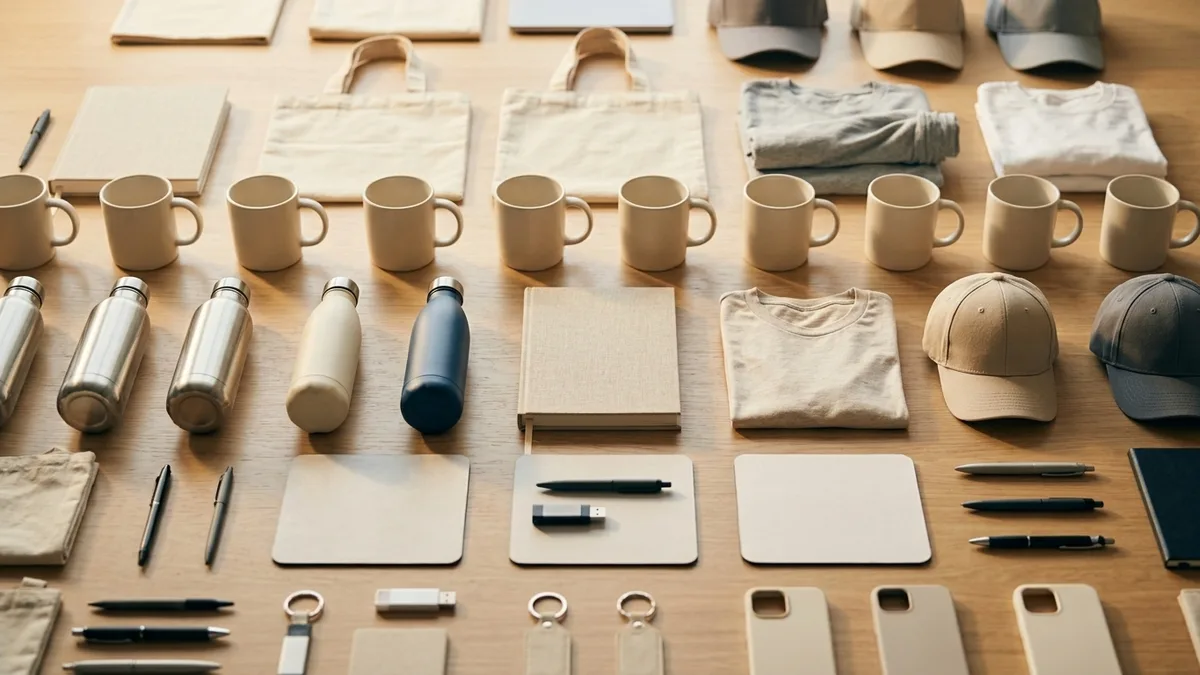
25 Promotional Materials Examples for Modern Marketing Campaigns
25 promotional materials examples for modern marketing campaigns, organized by category, with lifetime impression data and a simple framework for matching each item to your audience and goal.

Promotional Materials for Business: Meaning, Types and Uses
Promotional materials for business, explained: what the term means, the four main types, and how to use print, branded products, digital content and events to build a brand people remember.

Bottom Up Budgeting vs Top Down for Promotional Marketing
Bottom up budgeting builds a promotional budget from the cost of each item, while top-down budgeting starts with one total. Here is how each shapes your promotional product strategy.