
What to Keep in a Roadside Emergency Kit: The Complete Checklist

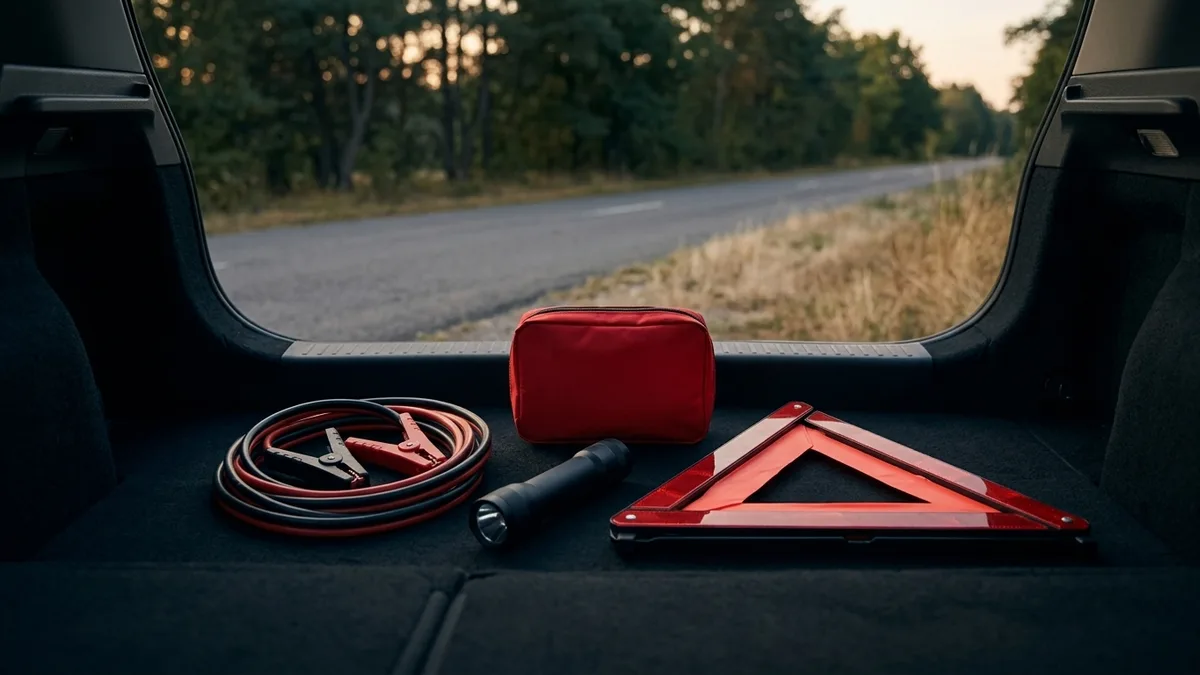
A flat tire on a rural shoulder, a dead battery in a parking garage, a fender-bender after dark. Roadside trouble rarely picks a convenient moment. The difference between a brief inconvenience and a genuinely dangerous hour usually comes down to one thing: packing for it in advance. A well-built kit lets you signal for help, stay visible, treat a minor injury, and get rolling again without standing in traffic hoping a stranger stops.
This checklist walks through what every vehicle should carry, what to add when temperatures drop, and how to keep it all working when you finally need it. It also covers why these kits have become one of the most appreciated branded gifts a company can hand out, because a gift that might keep someone safe is a gift people actually keep.
Shop Roadside Emergency Kits
View all →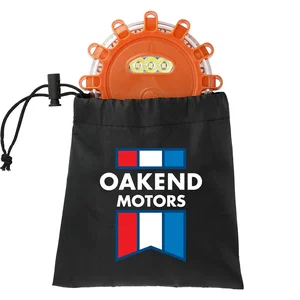
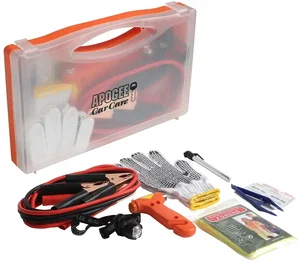
Why Every Vehicle Needs a Roadside Emergency Kit
It is easy to assume a smartphone and a roadside-assistance membership are enough. They help, but neither is a complete plan. Cell coverage drops out on back roads and in mountain passes. Tow trucks can take an hour or more in bad weather, exactly when you least want to wait. And a phone does nothing to keep an approaching car from drifting onto the shoulder where you are standing.
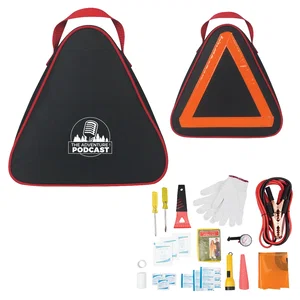
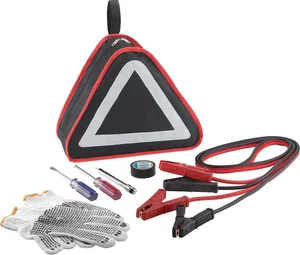
A kit fills those gaps. Reflective triangles and a bright flashlight buy you the single most important thing during a roadside stop: visibility. A set of jumper cables turns a dead battery from a tow into a five-minute fix. A first aid kit covers the scrapes and cuts that come with changing a tire on gravel. None of it is expensive, and all of it lives quietly in the trunk until the day it earns its place.
There is a business case, too. Insurers, auto clubs, dealerships, and fleet managers consistently treat preparedness gear as a baseline expectation rather than a luxury. If you run a service business or manage drivers, equipping every vehicle is a low-cost way to reduce downtime and demonstrate that you take safety seriously. Browse the full roadside emergency kit category to see how ready-made and customizable options compare.
The Essential Roadside Emergency Kit Checklist
Think of a complete kit in four functional groups. If each group is covered, you can handle the overwhelming majority of roadside situations.
| Category | Core items | Why it matters |
|---|---|---|
| Visibility & signaling | Reflective warning triangles, LED flashlight, reflective vest | Keeps you seen by traffic day or night |
| Vehicle recovery | Jumper cables, tire pressure gauge, roadside tool set, tire sealant | Fixes the most common breakdowns on the spot |
| First aid & comfort | First aid kit, gloves, water, non-perishable snacks | Treats minor injuries and keeps you steady |
| Communication & power | Charged phone, portable power bank, charging cable | Lets you call for help and stay reachable |
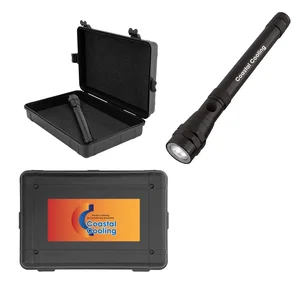
A few items are worth singling out. A tire pressure gauge is the cheapest insurance against the slow-leak blowout that ruins a highway trip. Checking pressure monthly prevents more roadside stops than almost anything else you can carry. A dependable flashlight earns its keep every time the trouble happens after dark, and a hand-crank or LED model with long battery life beats relying on your phone's flashlight, which you will want to save for calls.
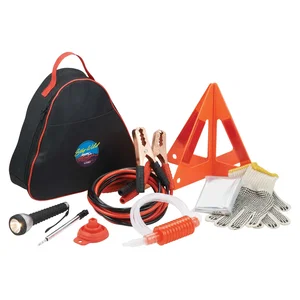
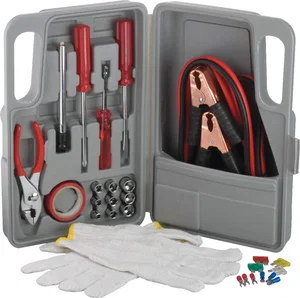
For drivers who want a single grab-and-go solution, a pre-assembled bag like the 27-Piece Roadside Tool Set bundles cables, gloves, and tools into one zippered case so nothing rattles loose in the trunk. If you would rather build a more comprehensive kit, the emergency safety kits range adds first aid and survival components for longer trips and worksite vehicles.
What to Add for Winter Driving Conditions
Winter changes the math of a breakdown. A stalled car in July is uncomfortable; a stalled car in a January storm can become a genuine emergency within an hour. Cold-weather gear exists so that if you are stuck waiting for a tow on an unplowed road, you stay warm, visible, and able to free the car yourself if conditions allow.
Start with the obvious: an ice scraper and snow brush belongs in every vehicle from the first frost to the last thaw. Clearing your windows fully before you drive prevents accidents, and a visor-clip or extendable model stays within reach. From there, layer in warmth and traction: a heavy blanket, spare gloves and a knit hat, hand warmers, and a small bag of sand or non-clumping cat litter to give your tires grip on ice. A compact folding shovel lets you dig out around a stuck wheel.
Two finishing touches make a real difference. Keep a few high-calorie snacks and extra water that will not freeze solid, and stash a brightly colored cloth you can tie to your antenna or door: a simple distress signal that helps plows and patrols spot you in blowing snow. If you want a deeper primer on choosing scrapers and brushes, our guide on caring for outdoor gear in harsh conditions pairs well with our piece on keeping solar-powered safety lights working, since both lean on the same maintenance mindset.
Roadside Kits as Customer & Employee Gifts (Branded Safety Kits)
There is a reason auto dealerships, insurance agencies, real estate teams, and fleet operators keep coming back to roadside kits as a gift. Promotional-industry research from groups like PPAI and ASI has long found that recipients keep practical, useful items far longer than novelty giveaways. And few items are more practical than gear that might one day get someone home safely. When a customer reaches for your branded flashlight during a breakdown, your brand is associated with help arriving, not with clutter.
For dealerships in particular, a roadside kit is a natural delivery gift that extends the relationship past the sale. We cover that strategy in depth in our guide to the promotional items every car dealership needs, and the same logic applies to any business whose customers spend time on the road. Pairing a kit with a branded tire pressure gauge or an ice scraper for winter builds a small, themed package that feels considered rather than random.
Kits also work as employee gifts and safety incentives. New drivers, field technicians, and delivery teams all benefit from a ready kit in every vehicle, and handing one out signals that the company values their well-being. It is the kind of morale-building gesture that pays off in retention, and it doubles as a real safety investment. For the safety-first buyer, a car safety kit makes an especially thoughtful gift for new drivers heading off to college or starting a first commute. If you are weighing whether branded merchandise is worth the spend at all, our breakdown of promotional products for small businesses lays out the case.
How to Store and Maintain Your Car Emergency Kit
A kit you never check is a kit that fails you. Batteries leak and die, adhesive bandages dry out, and the tire sealant you bought three winters ago may no longer hold pressure. None of that helps on the shoulder of a highway. The fix is a simple twice-a-year routine: pair it with daylight-saving time changes so it is easy to remember.
Work through a short maintenance pass each time:
- Power-test the flashlight and any battery-powered lights, and replace cells before they die rather than after.
- Check first aid expiration dates and restock anything you used.
- Verify your jumper cables, tire pressure gauge, and tire tools are present and functional.
- Confirm your spare tire is inflated and the jack and lug wrench are accounted for.
- Swap seasonal items: add winter gear in fall, remove it in spring, and rotate any food or water.
Keep everything in one place. A dedicated bag or hard case stops items from scattering across the trunk and turns "where is the flashlight?" into a non-question during an actual emergency. The same organizing discipline that keeps a kit ready is worth applying to the rest of your vehicle, too. When the kit is built, packed, and on a check schedule, you have done the hard part, and bought yourself real peace of mind every time you turn the key.
Equip every vehicle with a branded roadside safety kit
Shop Related Categories
Related Articles
Custom Air Fresheners for Cars: The Complete Marketing Guide
Custom air fresheners with your logo deliver weeks of in-car brand impressions at under a cent each. Here is how to choose shapes, scents, and formats, and how to order branded fresheners in bulk.
Custom Car Magnets: The Complete Buyer's Guide
Custom car magnets turn any vehicle into a moving billboard without touching the paint. Here is how to pick the right thickness, size, and design so your brand gets noticed on the road.

How Car Air Fresheners Are Made: The Complete Manufacturing Process
A quality car air freshener keeps your vehicle smelling fresh for 30-60 days, masks everything from coffee spills to gym bags, and costs less than a fancy coffee.
7 Must-Have Promotional Items Every Car Dealership Needs to Boost Sales
You've closed the sale. The customer drives off the lot excited about their new vehicle. Then what? Most dealerships lose momentum right here.