
6 Health Handouts People Keep and Actually Read

Ask any front-desk nurse where the tri-fold brochures end up, and the honest answer is the recycling bin by the elevator. Promotional health education cards win where brochures lose because people slip them into a wallet, a glovebox, or under a fridge magnet and actually look at them again. A handout only helps if it survives the walk to the car, and the six below are built to do exactly that.
Source: ASI Ad Impressions Study
Why most patient handouts never get a second look
The problem is not that patients do not care. It is that a folded paper brochure competes with a dozen other papers and loses. It has no home. A wallet card has a home. A magnet has a home. A refillable water bottle with a dosing reminder printed on it goes everywhere the patient goes. When a handout earns a permanent spot, your name earns repeat exposure without you spending another dollar: the same compounding trust we covered in Why Half Your Patients Skip Doses (and How to Help), where the fix was almost always a physical, visible reminder rather than more verbal instructions.
Shop the collections
1. Wallet health information cards
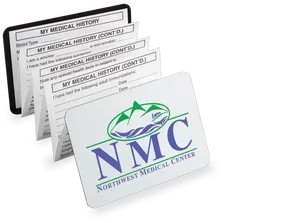
A stiff, wallet-sized card holds the essentials a patient forgets under stress: medication list, allergy notes, and an emergency contact line. Because it lives next to a driver's license, it is there when an ER needs it. Print your clinic name and phone on the back and you become the number people call first.
2. Medication and dosing tracker cards
A simple grid a patient can check off beats a spoken "twice a day" every time. Dosing trackers turn an abstract instruction into a visible routine, which is exactly why adherence climbs when one is in the patient's hand. They fit a pillbox, a purse, or a nightstand drawer.
3. Fridge magnets and reminder magnets
The refrigerator is the busiest bulletin board in any home. A magnet with a refill reminder, a hydration cue, or an after-hours nurse line sits at eye level for years. It is glanceable, it never gets filed away, and it quietly repeats your name every time someone reaches for the milk.
4. Emergency contact and ID cards
For seniors, kids, and anyone managing a chronic condition, a card that lists conditions, medications, and a next-of-kin number is genuinely protective. It is the kind of handout family members insist on keeping, which is why these travel so well. Pair them with the trust-building approach in our emergency-readiness guide below.
5. First-aid and safety reference cards
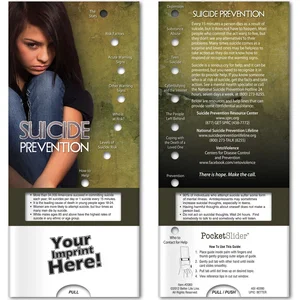
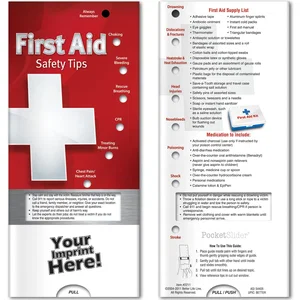
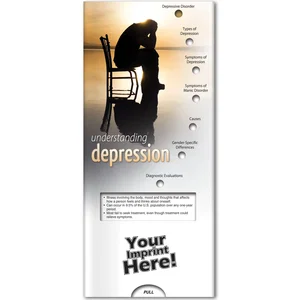
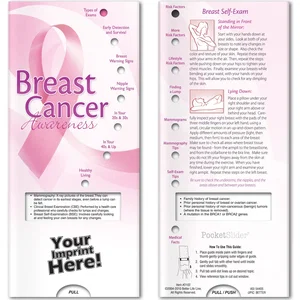
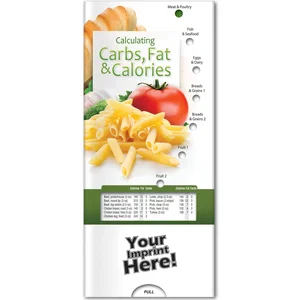
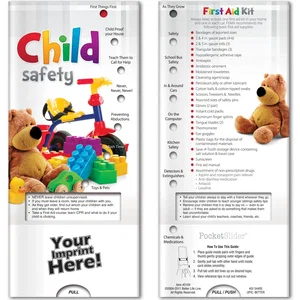
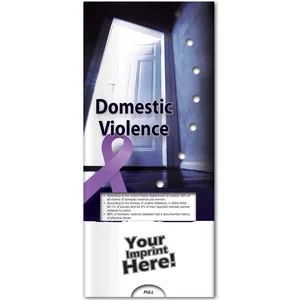
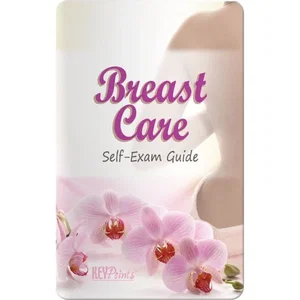
A pocket card covering choking response, burn care, or CPR basics gets kept because nobody wants to fumble through a search bar during a crisis. Clinics, gyms, schools, and workplaces all hand these out. They read fast, they store flat, and they turn your brand into the calm voice in a bad moment.
6. Health planners and record keepers
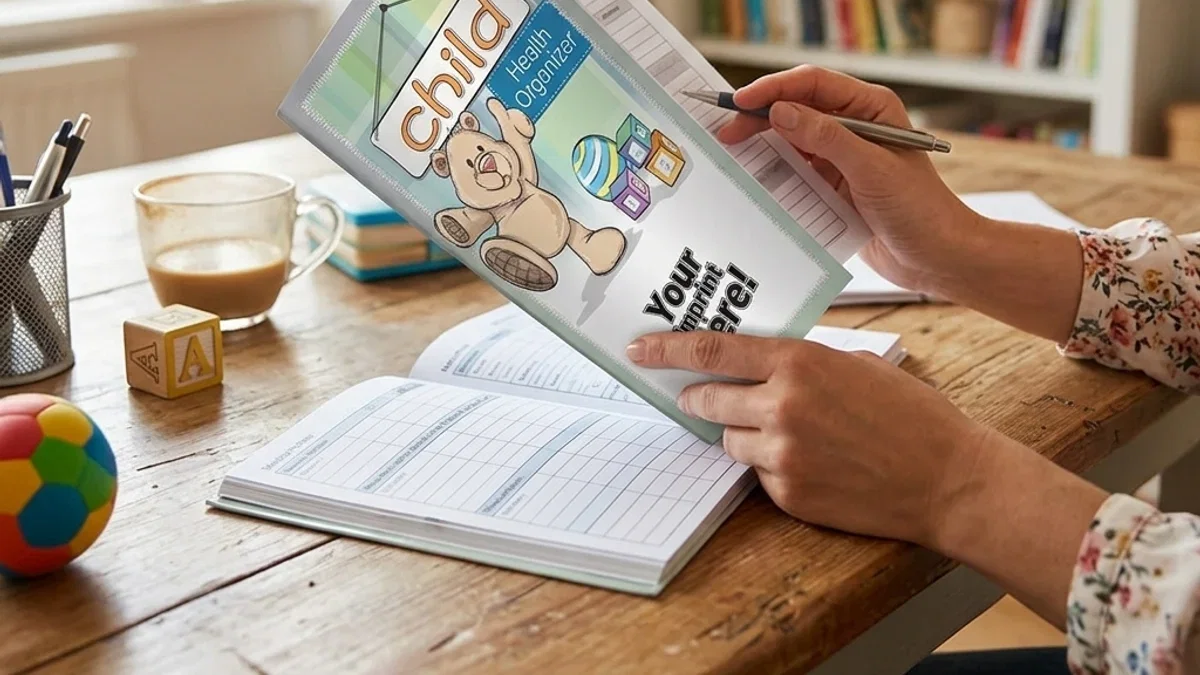
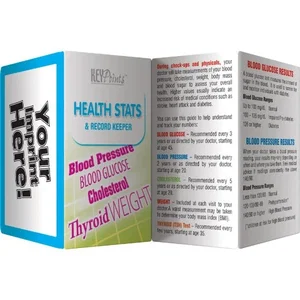
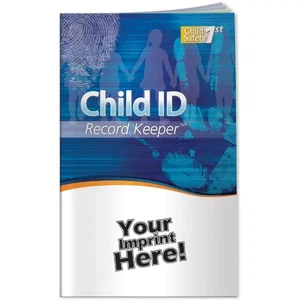
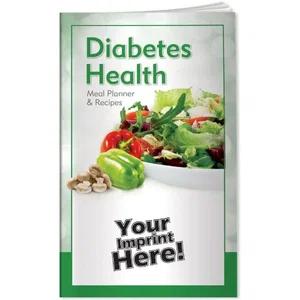
For patients juggling appointments, blood pressure logs, or blood sugar readings, a small planner or record booklet becomes a companion. It travels to every visit, gets written in daily, and keeps your name in front of the patient far longer than any flyer. It is the handout that becomes a habit.
Shop informational health cards
View all →
Shop health planners and record keepers
View all →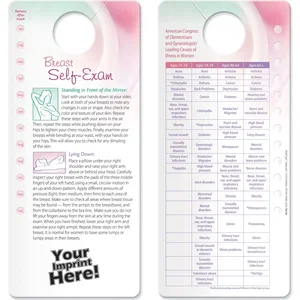

Shop health & safety products
View all →




How to choose a handout patients will keep
Start with the one question your patients ask most, then design the piece around that single answer. A card trying to say five things says nothing memorable. Pick a durable format that matches where the patient will use it: wallet for identity and dosing, magnet for the kitchen, planner for daily logging. Keep the type large and the message plain; Grade-8 language beats clinical jargon on a handout every time.
Match the tool to the moment. If your goal is readiness before a crisis rather than recovery after one, lean toward the approaches in Be the Brand People Trust in an Emergency and Help People Stay Safe Before Trouble Hits. Both cover how a prepared, safety-first message lands harder than a reactive one. From there it is a straight line to the right product: browse informational health cards for wallet and reference formats, or health planners and record keepers when patients need something to write in every day. For clinics stocking the front desk or a community health fair, the broader health & safety products range covers the safety and first-aid angles too.
One imprint note worth planning around: some print methods are single-color by design, so a clean one-color logo and phone number often reads sharper on a small card than a busy full-color layout that gets muddy at wallet size.
Need a handout your patients will actually keep? Let's build it.
Frequently asked questions
What makes a health handout more likely to be kept than a brochure?
A handout gets kept when it has a permanent home and a clear use. Wallet cards ride next to a license, magnets live on the fridge, and planners get written in daily. Brochures have no home, so they get filed or tossed. Give a patient one useful, durable piece that answers a recurring question and it stays in rotation.
What information should go on a patient wallet card?
Keep it to the essentials a patient needs under stress: current medications, key allergies, one or two conditions, and an emergency contact number. Add your clinic name and phone on the reverse. Resist the urge to cram in more. A card that stays scannable in three seconds is far more useful than one packed edge to edge.
Are these handouts a good fit for pharmacies and clinics ordering in bulk?
Yes. Health cards, trackers, magnets, and planners are made for volume ordering, which keeps the per-piece cost low for waiting rooms, health fairs, and pharmacy counters. Ordering in bulk also lets you standardize one clean, on-brand message across every location so patients see a consistent name and number wherever they pick one up.
How many colors should we print on a small health card?
Fewer than you think. Small formats read best with a simple, high-contrast layout, and some imprint methods are single-color by design. A crisp one-color logo and phone number often looks sharper on a wallet card than a full-color design that turns muddy at that size. Prioritize legibility over decoration.
Which handout works best for medication adherence?
A dosing tracker or a fridge magnet with a refill reminder. Both turn a spoken instruction into a visible, repeated cue the patient sees during their normal routine. The tracker gives them something to check off; the magnet catches their eye daily. Together they address the top reason patients miss doses, forgetting, far better than verbal instructions alone.
Keep reading: Why Half Your Patients Skip Doses (and How to Help) pairs naturally with these trackers, while Be the Brand People Trust in an Emergency and Help People Stay Safe Before Trouble Hits cover the safety-card angle in more depth.
Stock your front desk with handouts patients keep. Request a free quote.
Why buy from us
Shop Related Categories
Share this post with your team
Send it to a colleague or save it for later.
Related Articles
Corporate Gift Ideas: 75+ Gifts for Employees, Clients and Executives (2026 Guide)
More than 75 corporate gift ideas for employees, clients and executives, sorted by budget tier and occasion. Includes a holiday ordering timeline, logo placement tips, a tax note and the mistakes that make a gift land badly.
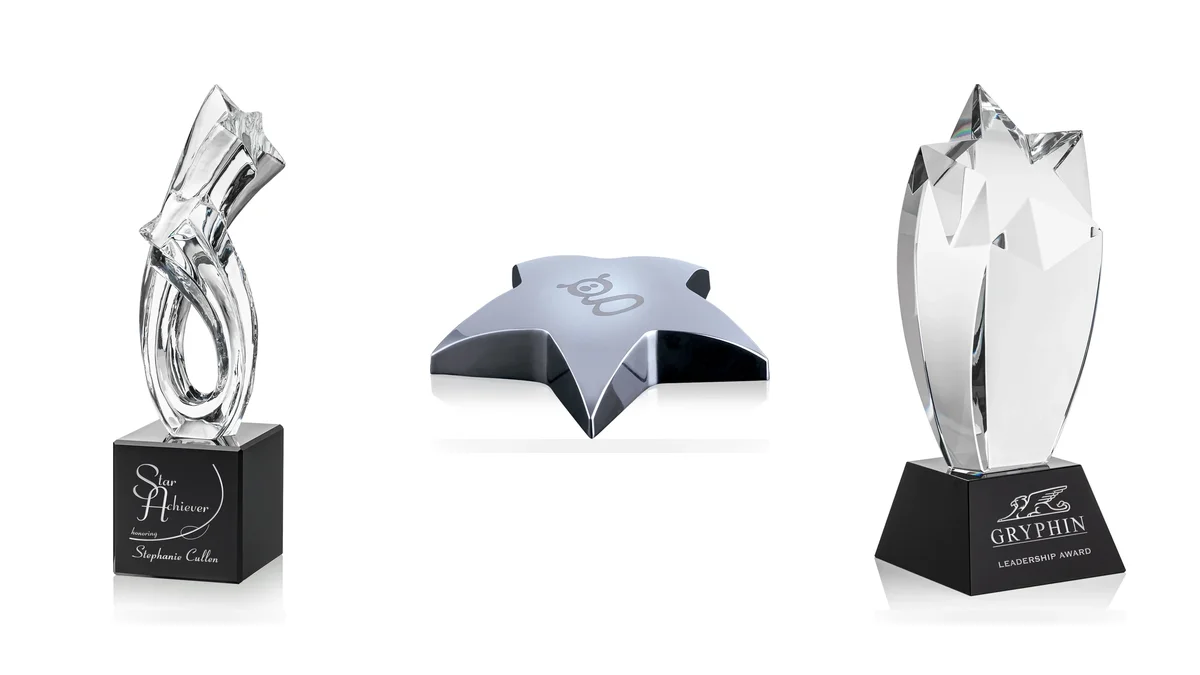
Employee Award Ideas: Categories and Titles Your Team Will Love
More than 75 employee award ideas sorted into ten categories, with the titles companies actually engrave, who earns each one, sample plaque wording and sample nominations you can copy.
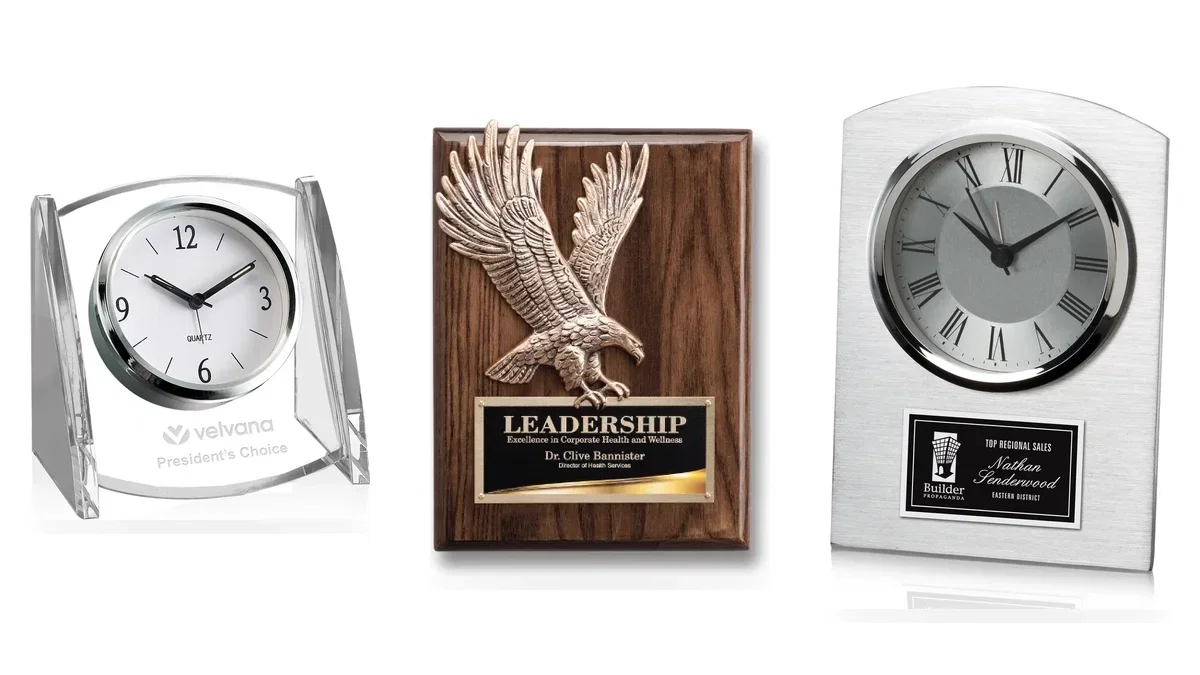
Retirement Plaque Ideas and Years of Service Award Ideas
Get plaque ideas for retirement by style, plus a milestone ladder of years of service award ideas from 1 year to 30 and beyond.
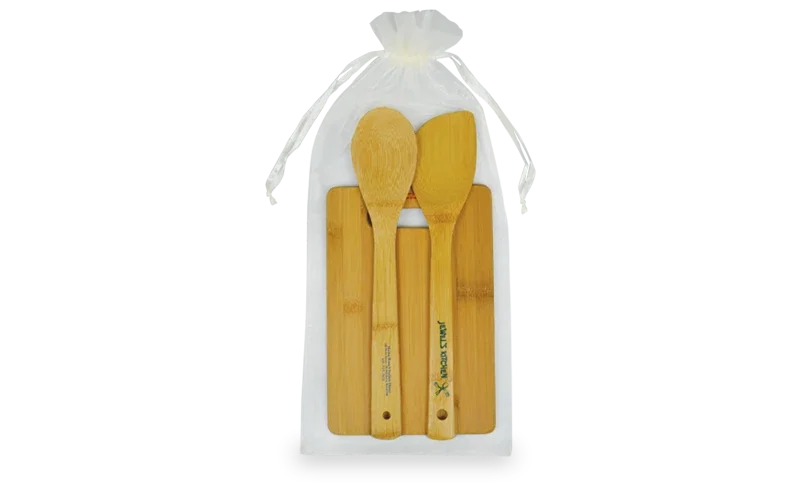
14 Clever Kitchen Giveaways People Will Actually Use
The best promotional kitchen products solve small everyday problems, so your logo stays in the kitchen for years. Compare 14 useful kitchen giveaways by the task they handle, with real bulk pricing and minimums.