
How to Clean Nylon Totes & Backpacks: Expert Maintenance Tips

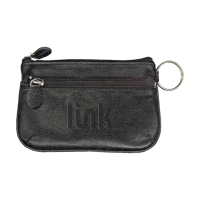
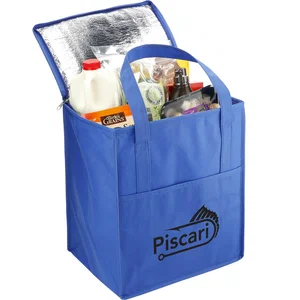
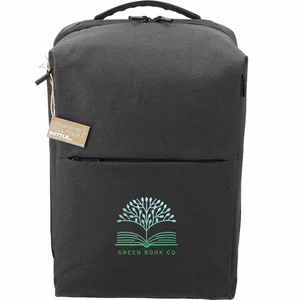
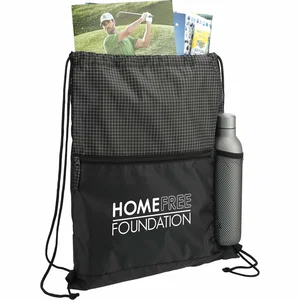
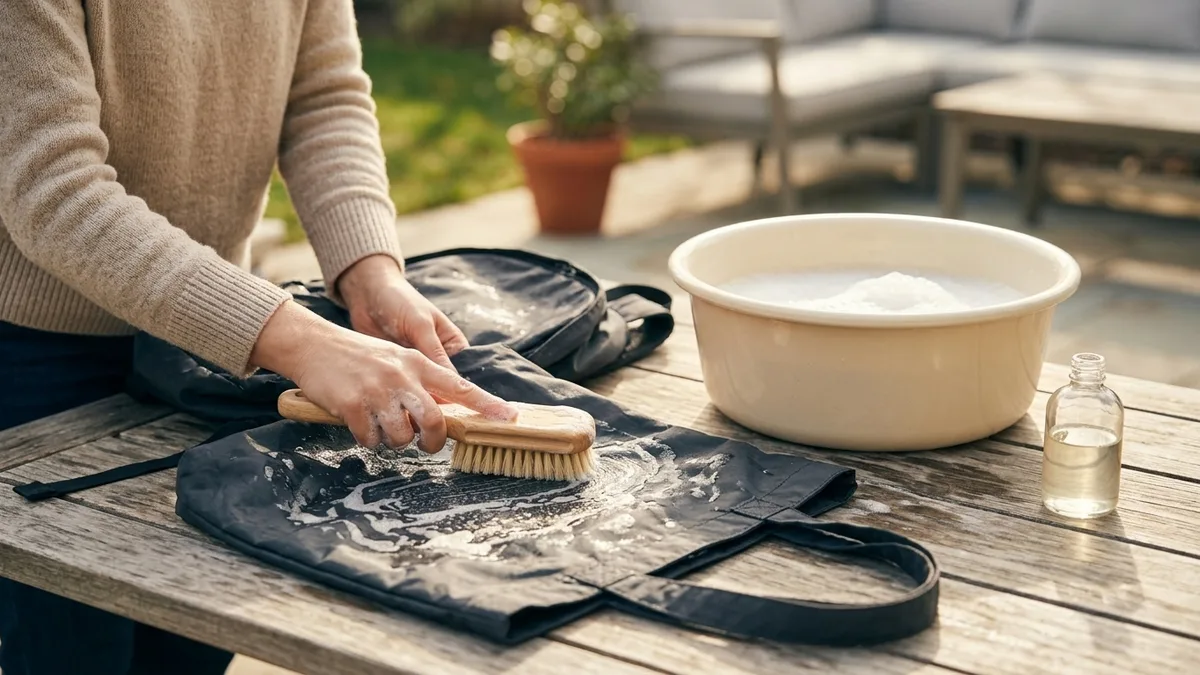
If you are searching for how to clean a nylon backpack, how to clean a nylon tote bag, or how to get stains out of nylon, you are in the right place. Below you will find a simple 3-step quick guide, followed by detailed instructions for stain removal (ink, oil, mold, and more), deep cleaning, and drying nylon safely, with extra care tips for the custom printed and embroidered logos used on promotional bags.
Nylon is the superhero of promotional fabrics. It is durable, water-resistant, and lightweight. However, from a custom drawstring gym bag to a corporate laptop backpack or a branded grocery tote, nylon eventually gathers dirt, oils, and the occasional stubborn stain.
In this guide, we focus specifically on larger nylon items like totes and backpacks. Looking to clean a smaller waist bag? Check out our specific guide on how to wash a fanny pack. Below, we share our 27+ years of industry knowledge on keeping your nylon gear looking pristine without damaging your custom logo.
Custom Backpacks
View all backpacks →
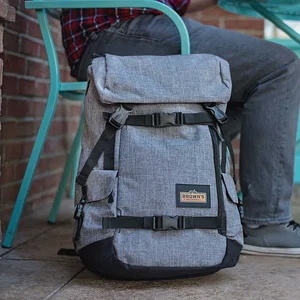
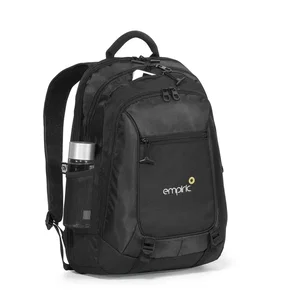
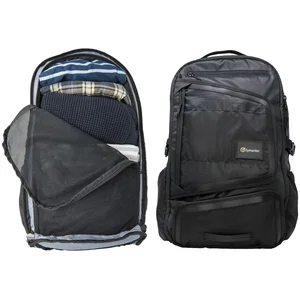
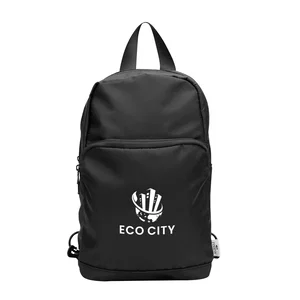
Quick Guide: How to Clean Nylon Totes & Backpacks in 3 Steps
- Brush off dry dirt: Use a microfiber cloth to remove dust on the exterior.
- Spot-treat stains: Blot problem areas with a mild detergent solution.
- Wipe, rinse, and air-dry: Remove soap residue and dry in the shade.
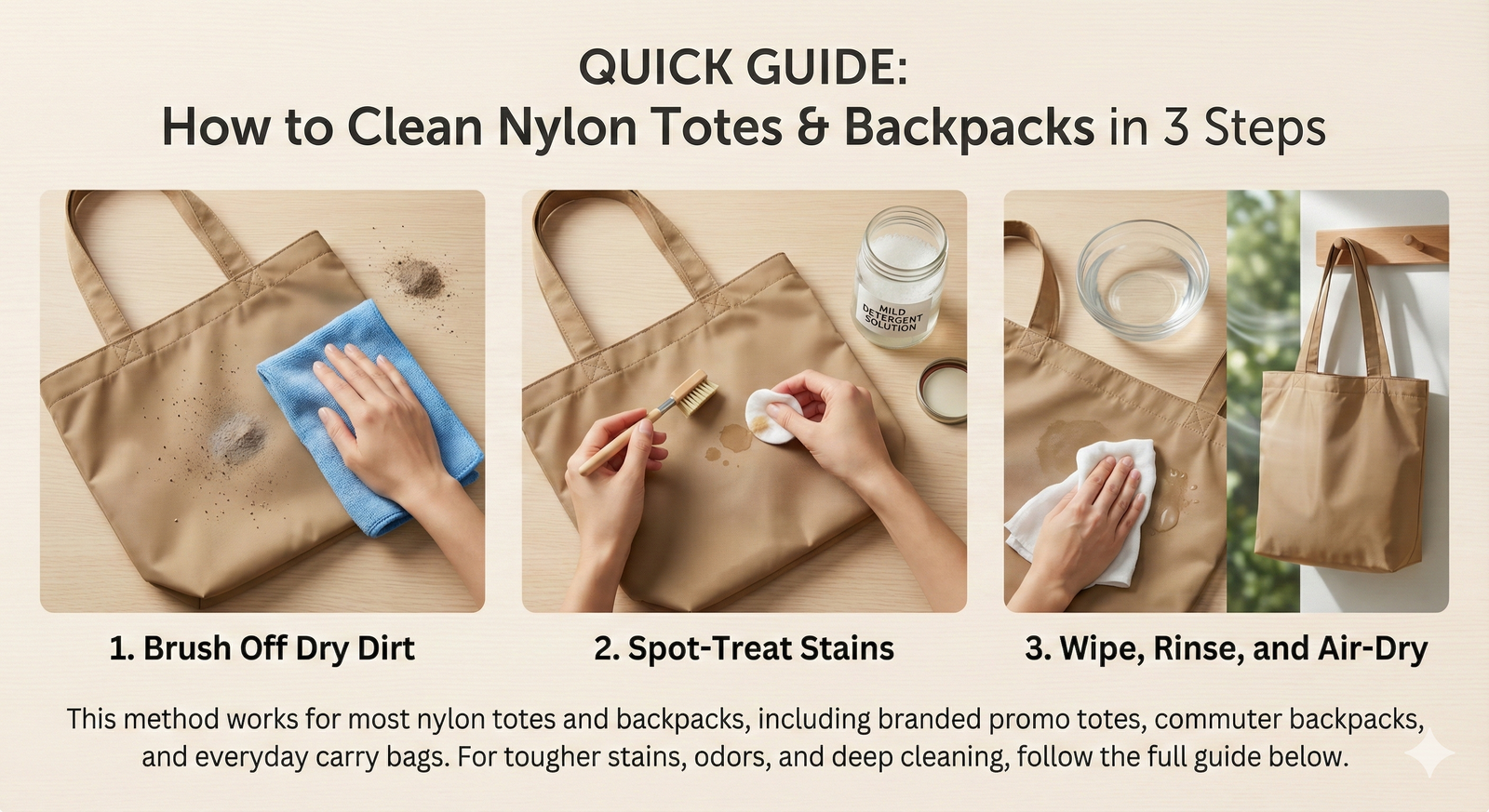
This method works for most nylon totes and backpacks, including branded promo totes, commuter backpacks, and everyday carry bags. For tougher stains, odors, and deep cleaning, follow the full guide below.
How to Get Stains Out of Nylon (Quick Answer by Stain Type)
Nylon is one of the most forgiving bag fabrics, but different stains call for different treatments. Use the table below as a fast reference, then read the detailed steps further down.
| Stain type | Best cleaner | How to apply |
|---|---|---|
| Ink / marker | Rubbing alcohol | Dab around the mark with a cotton swab; lift, do not spread |
| Oil / grease | Clear dish soap | Work a drop into the spot, blot, then rinse |
| Mold / mildew | Diluted white vinegar | Wipe, air-dry fully in shade |
| Dirt / general | Mild detergent + water | Blot with a damp microfiber cloth |
For every stain, blot gently with a damp microfiber cloth instead of scrubbing. Aggressive rubbing can fray nylon fibers and spread the stain. Treat spills promptly; the longer a stain sits, the harder it is to remove. These same techniques work on most nylon gear, from a drawstring backpack to a full-size commuter backpack.
How to Remove Ink Stains from a Nylon Bag
For ink or marker stains on nylon, lightly dampen a cotton swab with rubbing alcohol and dab around the stain, working inward. The alcohol breaks down the ink so you can lift it onto the swab. Replace the swab as it picks up ink, and stop as soon as the mark lifts. Never pour alcohol directly onto a printed or embroidered logo. Finish by wiping the area with a damp cloth to remove any alcohol residue.
How to Remove Oil and Grease Stains from Nylon
Oil and grease respond best to a single drop of clear dish soap worked gently into the spot with a fingertip or soft brush. Let it sit for a minute to cut the oil, then blot with a damp microfiber cloth and rinse with a second clean, damp cloth. For an older grease mark, sprinkle a little baking soda first to absorb surface oil, brush it away, then follow with the dish-soap step.
How to Remove Mold or Mildew from a Nylon Bag
To remove mold from a nylon bag, mix equal parts white vinegar and water, wipe the affected area thoroughly, and then let the bag air-dry completely in a shaded, well-ventilated space. Vinegar kills mildew spores and neutralizes the musty smell without bleaching the fabric. Mold thrives on trapped moisture, so the most important step is making sure the bag, inside and out, dries fully before you store it again.
Does Nylon Stain Easily? (And Is Nylon Easy to Clean?)
Because nylon is a tightly woven synthetic fiber, most spills bead up and wipe away before they soak in: far better than cotton or canvas, which absorb stains deeply. That is also why nylon is a favorite for custom tote bags and promotional backpacks that need to look presentable trip after trip. The catch: nylon holds onto oils and pigments if you let them dry, so the trick is simply addressing spills quickly rather than soaking the bag later.
Cleaning Supplies That Work Best on Nylon Totes & Backpacks
Using the right supplies is especially important when cleaning nylon bags with custom logos. The wrong tools or products can permanently damage printed or stitched branding.
Keep 2 to 3 microfiber cloths on hand, one each for cleaning, rinsing, and drying; microfiber safely lifts dirt without snagging embroidery threads or catching on the edges of screen printed and heat transfer logos. A soft-bristle toothbrush or detailing brush is best for seams, zipper tape, strap stitching, and hard-to-reach areas; when working near a logo, use only the lightest pressure and brush around the imprint rather than directly over it. For liquid detergent, choose mild options like Woolite, baby shampoo, or a small amount of clear dish soap, since harsh detergents and degreasers can cause screen print ink to crack, fade embroidery threads, or weaken adhesive-backed logos. Stick to lukewarm water, which helps activate detergent without stressing nylon fibers; hot water can loosen heat transfer adhesives, distort printed logos, and fade dyed fabrics, especially on promotional totes and backpacks.
Optional Helpful Add-Ons
Baking soda is safe for deodorizing interiors and lifting mild stains, though you should avoid scrubbing baking soda paste directly onto printed logos, since abrasion can dull the ink surface. White vinegar, always diluted, is effective for neutralizing odors and removing soap residue; keep it away from embroidered logos, as repeated exposure can fade thread colors over time. Rubbing alcohol, used sparingly, is useful for ink and marker stains on nylon, but never apply it directly to a logo. Instead, dab lightly around the stain with a cloth or cotton swab and stop as soon as the stain lifts.
Step-by-Step Guide: How to Clean a Nylon Bag
Step 1: Prepare & Inspect Your Nylon Bag Before Cleaning or Washing
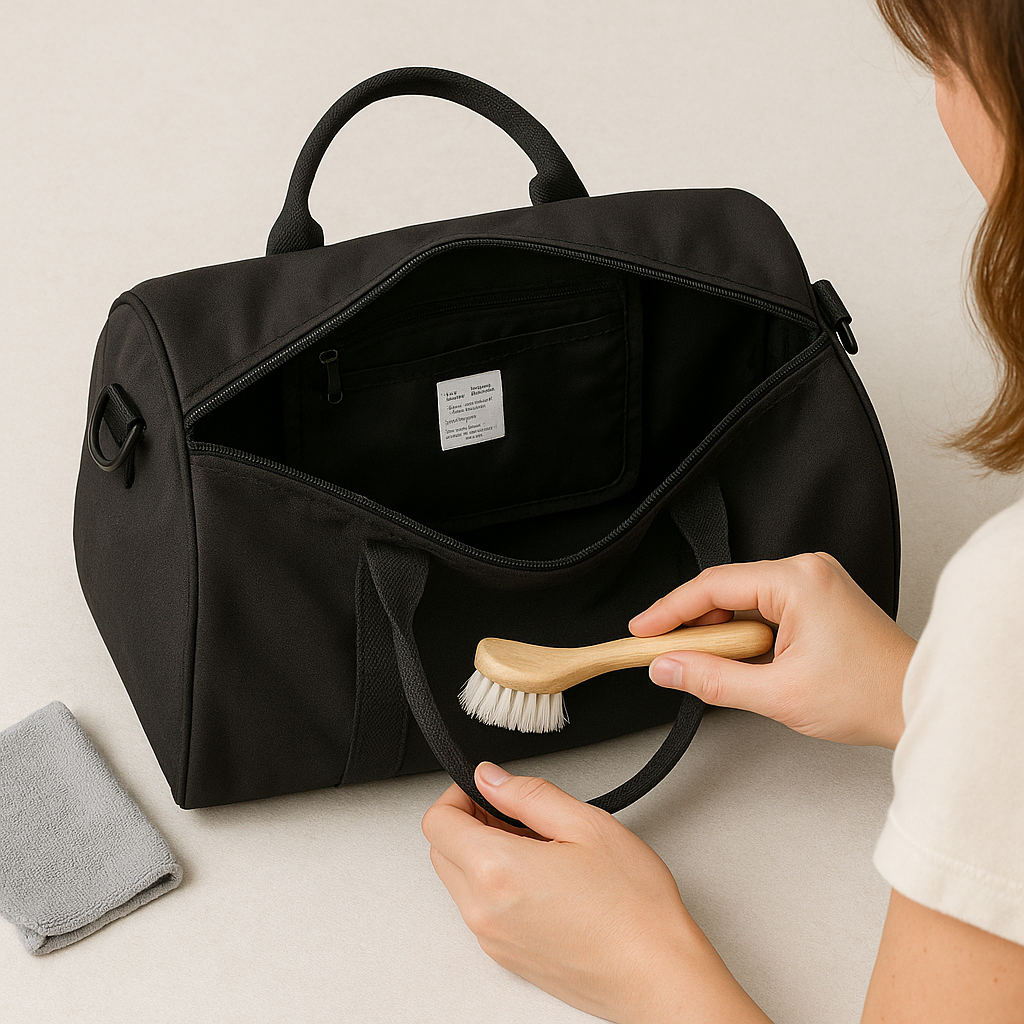
Preparing your nylon bag is the first and most important step before cleaning. It helps protect the bag from damage and ensures better results. Begin by emptying it completely, checking pockets and corners for any hidden debris. Then, use a soft brush or microfiber cloth to gently remove dust and dirt, focusing on seams, straps, and zippers where buildup often collects.
Once the surface is clean, inspect the bag for stains, particularly on more sensitive areas like white nylon or black nylon. Finally, always check the care label: some nylon bags can be washed in a delicate machine cycle, while others require hand-washing.
In short: empty the bag completely, including debris in pockets or corners; brush off dust and dirt with a soft brush or cloth on seams, straps, and zippers; inspect for stains, such as spots on white nylon or black nylon bags; and check the care label for any specific cleaning instructions.
Step 2a: How to Remove Stains from Nylon Bag (Spot Cleaning Process)
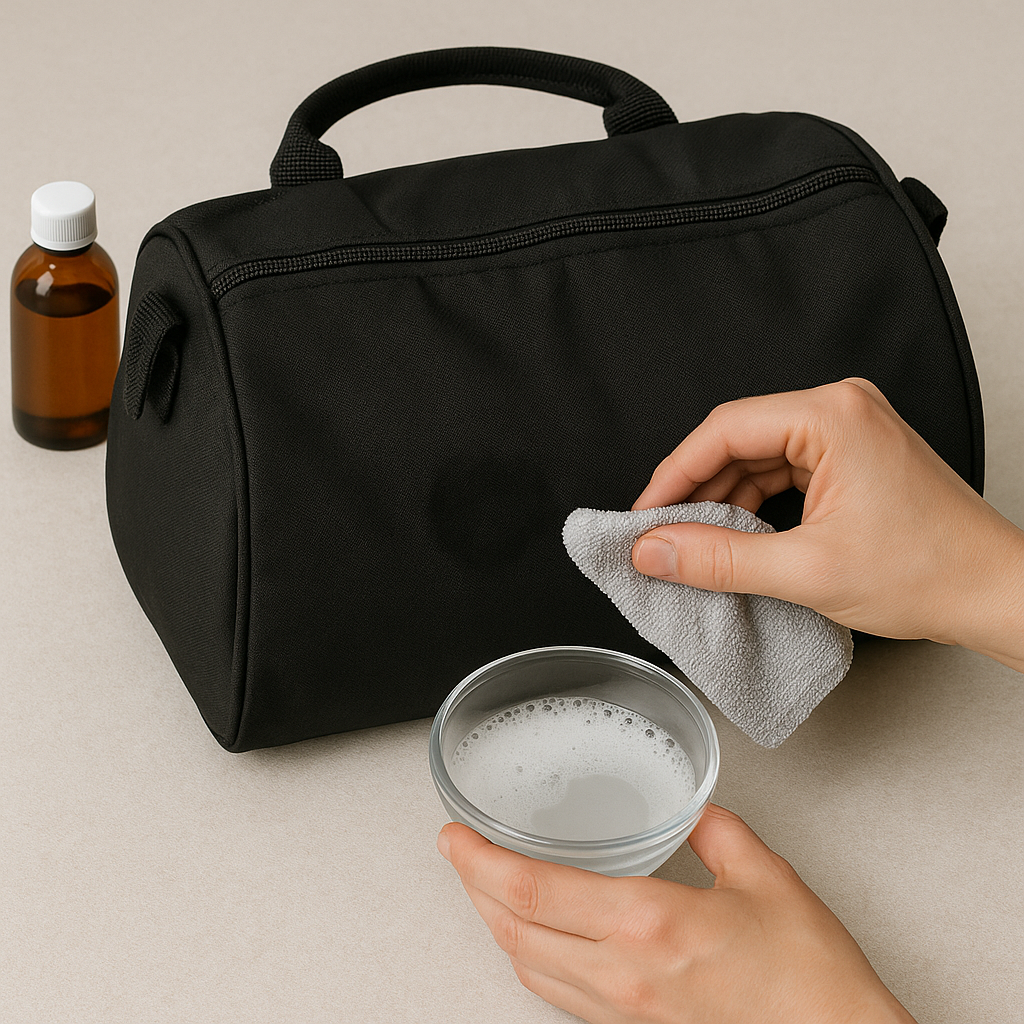
When you’re faced with a small spill or light stain on your favourite nylon tote bag or promotional backpack, reach for a gentle cleaning solution. Combine a teaspoon of mild detergent with a cup of lukewarm water to create a mixture that’s safe for most nylon materials. Always check the care label first and test this solution on a hidden seam to avoid any unwanted colour changes.
Once you’re confident it’s safe, take a damp microfiber cloth and gently blot the stain. Avoid vigorous rubbing. Nylon fibres can snag or spread the stain if you’re too harsh.
For stubborn spots, try using a bit of rubbing alcohol or a baking soda paste; these options work well for breaking down grease, makeup or ink stains without damaging the fabric. Spot cleaning like this is ideal for nylon bags with leather trims, duffle bags and gym bags, because it targets the problem area without drenching the entire bag.
In short: mix a cleaning solution of one teaspoon of mild detergent with one cup of lukewarm water; test it first by dabbing the solution on a hidden area to check for fabric reactions; clean the stain by gently blotting the stained area with a damp microfiber cloth, avoiding rubbing, which may damage the nylon fibers; and for stubborn stains, use a small amount of rubbing alcohol or a paste made of baking soda and water.
For stubborn drink marks, our stain removal guide on how to remove coffee stains from mugs can give you extra tricks.
Step 2b: How to Wash a Nylon Bag (Deep Clean)
For a thorough refresh of your nylon backpack, sports duffle or travel tote, it’s worth cleaning the entire bag rather than just a single spot. First, prepare a bowl of warm water and mild detergent. Choose a pH-neutral soap or baby shampoo to be gentle on both the nylon and any leather trim. Dip a soft sponge into the solution and wring it out well to avoid soaking the fabric; nylon fibres absorb moisture and can stretch or lose strength when saturated. Working one small area at a time, wipe the exterior in smooth, circular motions. Pay special attention to high-touch zones like handles, shoulder straps and the bottom of the bag, where sweat and dirt build up.
Use an old toothbrush or a soft bristle brush for seams, zippers and metal hardware, since these areas tend to trap grime. Rinse your sponge in clean water regularly, and don’t hesitate to swap it for a fresh cloth if it becomes too dirty. Once the entire bag is cleaned, gently pat it dry with a towel and allow it to air out in a shaded, ventilated space. Direct sunlight can fade nylon colours.
This approach is ideal for heavily soiled travel luggage, gym bags or commuter backpacks and ensures your nylon bag looks and smells fresh without compromising its durability.
In short: mix a cleaning solution of one teaspoon of mild detergent with one cup of lukewarm water; test it first by dabbing the solution on a hidden area to check for fabric reactions; clean the stain by gently blotting the stained area with a damp microfiber cloth, avoiding rubbing, which may damage the nylon fibers; and for stubborn stains, use a small amount of rubbing alcohol or a paste made of baking soda and water.
Step 3: Rinse and Dry (Final Step)
Proper rinsing and drying prevent soap residue and ensure the bag’s longevity.
Remove soap residue by wiping the bag with a clean, damp cloth until it feels clean, then dry immediately by patting it with a towel to remove excess moisture. Finish by air-drying properly: lay the bag flat or hang it in a shaded area, and avoid sunlight, which can fade colors or weaken fabric.
If you love nylon bags, chances are you also appreciate the practicality and style of fanny packs, which need the same gentle, material-by-material cleaning routine covered in our fanny pack care guide above. And if you’re curious about how this once-mocked accessory became a giveaway favorite, the complete history and popularity of fanny packs in the USA traces the whole story.
How to Clean a Nylon Backpack (Step by Step)
Backpacks need a little extra attention because of their padded panels, straps, and zippered compartments. Empty and shake out every pocket, then work top to bottom so dirty runoff never drips onto an already-cleaned area. Pay special attention to the shoulder straps and back panel, where sweat and body oils build up, and to the bottom, which takes the most abuse. A soft toothbrush is ideal for zipper tracks. The same method applies to a recycled-nylon daypack, a laptop commuter backpack, or a lightweight drawstring backpack. For a deeper hand-wash routine, follow our step-by-step hand-wash backpack guide.
A Note on Ballistic and Recycled (RPET) Nylon
Ballistic nylon is heavier and more durable, so it tolerates firmer brushing, but you should still skip harsh solvents that can dull its coating. Recycled (RPET) nylon cleans exactly like standard nylon (mild soap, cool water, and shade drying), and a periodic fabric-protector spray helps it stay water-repellent and last longer.
Special Care for Nylon Bags (Leather Trim, White, Black, Golf & Duffels)
Cleaning Nylon Bags with Leather Trims
- Use a pH-neutral cleaner to protect the leather while cleaning the nylon.
- Avoid soaking leather parts. Instead, wipe them with a damp cloth and apply a leather conditioner afterward.
White Nylon Bags (How to Whiten Yellowed Nylon)
To get stains out of white nylon and brighten yellowed fabric, add a spoonful of baking soda to your detergent solution, or apply a gentle baking soda paste directly to discolored areas. Rinse thoroughly to avoid streaks or residue. Avoid bleach unless the care label specifically allows it. Chlorine bleach can weaken nylon fibers and cause uneven yellowing over time.
Black Nylon Bags: Avoid over-scrubbing to prevent fading. Use a mild soap solution and rinse carefully.
Nylon Duffle Bags and Golf Bags
To clean a nylon golf bag or large duffel bag, wipe the large exterior panels with a sponge and mild detergent, working in sections rather than soaking the whole bag.
- Focus on high-contact areas (the bottom panel, handles, and strap padding) and use a soft brush only on seams and zipper tape.
- For heavily soiled spots, dab on a little extra soapy water and let it sit for 10 minutes before gently scrubbing.
- Clean interior linings with a damp cloth, then air-dry fully so trapped moisture cannot cause mildew.
Heavily Soiled Bags
- Soak the bag in a basin with warm water and detergent for 15 minutes.
- Scrub stubborn spots gently with a soft-bristle brush.
How to Prevent Stains and Odors (Simple Tips)
Prevention is often easier than extensive cleaning, helping to maintain your nylon bag's pristine condition long-term.
For stain prevention, apply a quality fabric protector spray to create a water- and stain-resistant barrier on your nylon bag, and reapply periodically, especially after deep cleaning. Avoid placing your bag directly on dirty or wet surfaces whenever possible to prevent initial soiling, and use smaller internal pouches or zippered compartments for items like pens, makeup, or liquid containers to contain potential spills. For odor control, sprinkle baking soda inside the bag and leave it overnight to effectively neutralize lingering odors; for persistent smells, wipe down the interior with a vinegar-water solution. Regularly empty and air out your bag after use to prevent moisture and odor buildup, which is especially useful if you carry gym bottles or mugs in your bag. Here’s our complete guide to promotional drinkware to keep everything fresh. For waterproofing, after cleaning, especially if you've used detergents, consider reapplying a waterproofing spray to protect your bag from future moisture and stains, enhancing its durability and longevity.
FAQs: Cleaning and Caring for Nylon Totes & Backpacks
These are the most common questions people ask when searching how to clean nylon tote bags and backpacks. Each answer is based on real-world use cases, including promotional bags with printed or embroidered logos, so you can clean confidently without guessing or risking damage.
1. How do you clean nylon bags with leather trim?
Clean the nylon and leather separately. Wipe the nylon panels with a microfiber cloth and mild detergent solution, keeping the cloth damp rather than wet. For leather trim, use a lightly damp cloth with a pH-neutral leather cleaner. Never soak leather sections or allow detergent to sit on them. Once dry, apply a small amount of leather conditioner to prevent cracking or stiffness.
2. Is it safe to machine wash a nylon tote or backpack?
Only machine wash a nylon bag if the care label clearly allows it. Most totes and backpacks with structure, padding, leather trim, or custom logos are better hand-cleaned. If machine washing is permitted, use cold water on a gentle cycle and place the bag inside a mesh laundry bag. Skip the dryer entirely, as heat can damage coatings and loosen logo adhesives.
3. What is the best way to clean a nylon golf bag or large backpack?
For oversized nylon bags, wipe the exterior using a damp sponge and mild detergent, working in sections. Focus on high-contact areas like the bottom panel, handles, and strap padding. Use a soft brush only on seams and zipper tape. Avoid soaking the entire bag unless the label specifically allows it, as prolonged moisture can weaken nylon fibers and internal structure.
4. How do you remove stains from nylon without damaging the fabric or logo?
Start with mild detergent and lukewarm water, blotting the stain gently with a microfiber cloth. For grease or ink stains, rubbing alcohol or a baking soda paste can help, but apply carefully and avoid direct contact with logos. Always test any stain treatment on a hidden area first to prevent discoloration or spreading.
5. How often should nylon totes and backpacks be cleaned?
Light spot cleaning every few weeks is usually enough for everyday use. A deeper clean every 3 to 6 months helps prevent odor buildup and fabric dulling, especially for commuter backpacks, gym bags, or event totes. Regular maintenance extends the bag’s lifespan and keeps it presentation-ready for work or branding purposes.
6. Is nylon easy to clean compared to other bag materials?
Yes. Nylon is one of the easiest bag materials to maintain because it resists moisture and does not absorb stains as deeply as cotton or canvas. Most everyday dirt and spills can be removed with mild soap and water when addressed promptly.
7. Does nylon stain easily?
Nylon is stain-resistant but not stain-proof. Oils, ink, dyes, and food spills can set over time if left untreated. Prompt spot cleaning greatly reduces the chance of permanent staining and keeps the bag looking newer longer.
8. Should you soak nylon bags to pretreat stains?
Soaking is rarely necessary and should be avoided unless the bag is heavily soiled and the care label allows it. Targeted spot treatment is safer and more effective for most stains. Nylon absorbs moisture slowly but holds onto it, which can lead to stretching, odor, or weakened fibers if drying takes too long.
9. How do you remove odors or plastic smells from nylon bags?
For everyday odors, sprinkle baking soda inside the bag and leave it overnight, then vacuum or shake it out. For stronger smells, wipe the interior with a diluted vinegar-water solution and allow the bag to air-dry completely. Proper airflow during drying is key to preventing odors from returning.
10. How can you brighten or whiten yellowed nylon?
For white or light-colored nylon, add baking soda to your detergent solution or apply a gentle baking soda paste to discolored areas. Rinse thoroughly to avoid residue. Avoid bleach unless the care label specifically allows it, as bleach can weaken nylon fibers and cause uneven yellowing over time.
11. Can nylon bags go in the washing machine at all?
Some can, but many should not. Structured backpacks, promotional totes with logos, padded straps, or bags with mixed materials are safest when hand-cleaned. If machine washing is allowed, use cold water, gentle settings, and air-dry only to prevent warping, fading, or logo damage.
Conclusion: Keep Your Nylon Bag & Backpacks Clean, Fresh, and Durable
Nylon bags are a reliable investment for everyday tasks and travel, thanks to their lightweight design, strength, and practicality. Like any other accessory, they require regular care to maintain their best appearance and functionality.
This guide has provided you with easy, complete steps to clean, refresh, and maintain all types of nylon bags: spot-cleaning leather-trimmed designer totes, tackling tough oil, ink, or mold stains on duffle bags, and deodorizing heavily used gym or golf bags. If you’re considering bags as promotional giveaways, see our best promotional products for small businesses for inspiration.
To protect your bag's durability and extend its lifespan, remember to clean it regularly, apply a fabric protector to prevent stains, and store it properly when not in use. With just a little effort and by following these easy-to-understand tips, you can keep your nylon bag looking as good as new for years to come.
Our Most Popular Nylon and Polyester Bags & Backpacks
Featured Products
- Vertex Revive Waist Pack
- Red Nylon Pocket First Aid Kit
- Clear Stadium Approved Tote Bags W/ Black Nylon Trim
- Samsonite Tote-A-Ton Duffel Bag
- Alloy Laptop Backpack
- Branded Custom Tote Bag - 600D Polyester 2 Tone
- Veranda Quilted Nylon Lunch Bag
- Fleece and Nylon Picnic Blanket
- Power Grip 3-Tension Fitness Band Set
- Atlas Laptop Backpack
- All-Purpose RPET Tote with Accessory Loops and Slash Pocket
- Rain Jackets
- Personalized High Line Messenger Bag
- 70D Nylon Insulated Lunch Tote with Mesh Pocket & Hook Closure
- Europa Crossbody Nylon Sling Bag
- Lakeshore Recycled Nylon Drawstring Bag
- Koozie® Boho RPET Cooler Backpack
- Taiga rPET Nylon Zippered Waist Bag
Need nylon totes and backpacks that survive the wash?
Shop Related Categories
Share this post with your team
Send it to a colleague or save it for later.
Related Articles
Custom T-Shirt Cost: What Drives the Price and How to Pay Less in Bulk
What sets the price of a custom T-shirt, how quantity breaks work, how to read a price table, twelve ways to pay less, and a copy-ready quote request with a free printable worksheet.

How to Put a Photo on a T-Shirt: Methods, Photo Size and a Free Checklist
A step-by-step guide to printing a photo on a shirt: how to tell if your photo is big enough, which print method suits it, what to send with your order, and a free printable checklist.
Retirement Plaque Wording and Award Wording Examples
Not sure what to write on the plate? Copy these retirement plaque wording ideas and award wording examples for retirement, appreciation, achievement, dedication, and more, then adjust the names and dates.
How to Run an Employee of the Month Program That Works
A good employee of the month program is simple, fair, and easy to repeat. Here are the steps, a sample criteria list, and reward ideas that keep people motivated all year.