
How to Wash a Fanny Pack: Hand, Machine and Care Label Guide



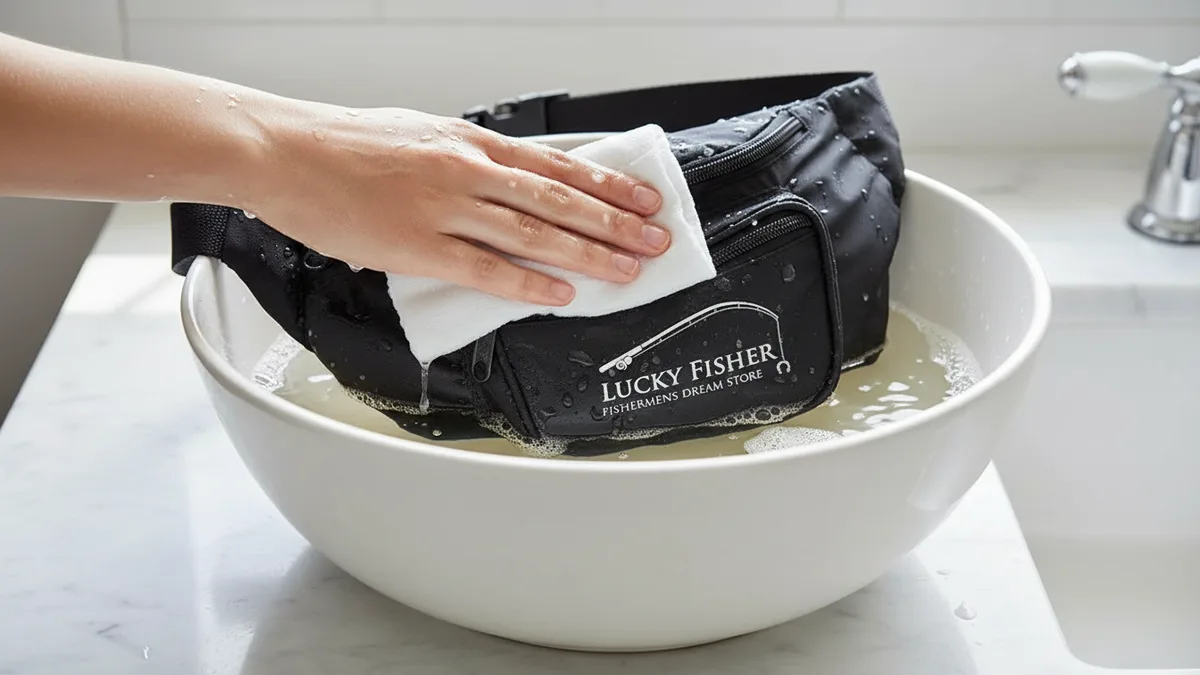
Fanny packs, belt bags, waist bags, hip packs: whatever you call yours, it picks up sweat, crumbs, sunscreen and the odd leaked pen. This guide shows how to clean a fanny pack by hand or in the washer, how to read the care label first, and how to deal with stains, smells, mold, sticky zippers and loose straps. It works for an everyday belt bag, a Lululemon, or the custom fanny packs your company handed out at the last trade show.
Shop Custom Fanny Packs & Belt Bags
View all fanny packs →



How Do You Wash a Fanny Pack?
To wash a fanny pack, check the care label, empty every pocket, then hand wash it in cold or lukewarm water with a little mild detergent, rinse well, press the water out and air dry it away from direct heat. Nylon and polyester packs can also go in the washer on a cold, gentle cycle inside a mesh bag, as long as the label shows a wash tub that isn't crossed out.
Belt bag, waist bag and fanny pack are names for the same thing, so the care doesn't change with the name. It changes with the fabric and with what the label says. Start with the label.
Can You Put a Fanny Pack in the Washing Machine?
You can put a nylon or polyester fanny pack in the washing machine if its care label shows a wash tub without an X, using a mesh laundry bag and a cold, gentle cycle. If the tub is crossed out, the bag can't be washed at all. Leather and PU leather packs shouldn't go in the machine, and most canvas packs do better washed by hand.
Being water-resistant doesn't make a bag machine washable. Shrugging off light rain is a different claim from surviving a soak, agitation and a spin. The lining, coatings, padding, trim and any logo decoration all affect how a bag can be cleaned, and some big bag brands advise against the washer for their own packs. Osprey advises against machine washing its packs, and JanSport recommends against the washing machine and suggests wiping the bag with a damp sponge or cloth. Follow the instructions for your model.
How to Read the Care Label on a Fanny Pack
The sewn-in tag is usually inside the main compartment, along a lining seam or inside a pocket. Read both sides. Written notes such as "spot clean only" count as much as the symbols. In the US, the FTC's guide to the Care Labeling Rule explains how these symbols stand in for written instructions on clothing. That rule is written for clothing, so not every bag comes with a care label. Here's what each symbol means:
| Symbol | What it means | What to do |
|---|---|---|
| Wash tub with "30" inside | Machine washable at a maximum of 30°C / 86°F. | Stay at or below that temperature and follow any cycle limits. |
| One line under the wash tub | Mild washing process. | Choose a cycle with reduced agitation, such as permanent press. |
| Two lines under the wash tub | Very mild washing process. | Use the delicate program. |
| Hand reaching into a wash tub | Hand wash. | Follow the temperature limit. Don’t rub or wring the bag. |
| Crossed-out wash tub | Do not wash. | No machine washing and no hand washing. Ask the maker how to clean it. |
| Crossed-out square with a circle inside | Do not tumble dry. | Keep it out of the dryer and air dry it. |
| Crossed-out triangle | Do not bleach. | Skip chlorine bleach and oxygen bleach. |
| Square with a line across the middle | Dry flat. | Lay the bag flat to dry. |
The number inside the tub is the hottest the water can be, in Celsius, not a setting you have to hit. Many US labels use dots instead of a number: according to the University of Tennessee Extension's care symbol guide, one dot means cold water (65 to 85°F), two dots 105°F and three dots 120°F. Lines under the tub tell you how gentle the cycle needs to be. An empty triangle with no X means bleach is allowed when needed. Snap a photo of the label while you're at it, because tags fade. Our product care FAQ covers the items we sell.
Quick quiz: can you read the tag?
What If the Care Label Is Missing?
If the care label is missing or unreadable, don't assume a cold hand wash is safe. Look up the brand and model, or ask the seller, before you get the bag wet. Until you know, empty the pockets, shake out the crumbs, and skip soaking and stain removers. If the fabric allows it, test a barely damp, soft cloth on a hidden spot first. Leather, suede, faux leather and unfamiliar coated finishes need material-specific advice before any wet cleaning.
How to Hand Wash a Fanny Pack
When the label allows washing, hand washing is the gentlest way to deep clean most fanny packs. It's the same method as our backpack hand wash guide, scaled down. You'll need mild detergent (dish soap works), a soft brush or old toothbrush, a clean cloth and a sink or basin.
- Empty every pocket and turn the bag inside out if it will go.
- Fill the sink with cold water, or lukewarm if the label allows it, and stir in 1 to 2 teaspoons of mild detergent.
- Soak the bag for 15 to 20 minutes to loosen dirt.
- Scrub stains, straps and zipper tape gently with the soft brush.
- Rinse under cool running water until no suds are left. Leftover soap pulls in more dirt.
- Press the water out. Don't wring it.
- Air dry it with every pocket unzipped.
For a small mark, skip the soak: dab it with a cloth dipped in soapy water, wipe with a clean damp cloth and let it dry. Test any cleaner on a hidden spot first.
How to Machine Wash a Nylon or Polyester Fanny Pack
If the label shows a wash tub without an X, a nylon or polyester pack can go in the washer. The steps match how we wash a backpack in the washing machine:
- Empty it, zip it shut and turn it inside out.
- Put it in a mesh laundry bag, along with a removable strap if it has one. The mesh keeps the straps, buckle and zipper of a nylon belt bag from snagging the drum, and straps hold the most sweat.
- Run a cold, gentle or delicate cycle with mild detergent, and keep to any temperature on the label.
- Leave out fabric softener. It breaks down water-resistant coatings.
- Use the lowest spin, then take the bag out right away and air dry it.
How Do You Clean Each Fanny Pack Material?
Nylon and polyester can be hand or machine washed, canvas should be hand washed in cold water, and leather and PU leather should only be wiped with a damp cloth. The label on your bag wins over this table.
| Material | Washer? | Hand wash? | Water | Air-dry time | Avoid |
|---|---|---|---|---|---|
| Nylon | Yes: mesh bag, cold, gentle | Yes | Cold, or lukewarm if the label allows | 4 to 6 hours | Bleach, dryer |
| Polyester | Yes: mesh bag, cold, gentle | Yes | Cold | 4 to 6 hours | Fabric softener, dryer |
| Canvas | Usually no: check the label | Yes, or spot clean | Cold only | 8 to 12 hours | Warm water, dryer |
| Genuine leather | No | No: wipe only | Damp cloth, never soak | Until the surface is dry | Soaking, heat |
| PU / vegan leather | No | No: wipe only | Barely damp cloth | Wipe dry right away | Soaking, leather conditioner, heat |
| Lululemon Everywhere Belt Bag | No: label says Do Not Wash | No: spot clean only | Damp cloth | Until fully dry | Soaking, bleach, dryer, iron |
A few things the table can't say. Nylon dries fast, and our guide to cleaning nylon totes and backpacks uses the same method. Polyester, like the 210D fabric on our polyester hip pack, resists stains and shrinking. Canvas shrinks in warm water and feels stiff after a wash, then softens again as you use it.
Leather is the one to be careful with. Wipe off surface dirt with a damp cloth, use a cleaner made for leather bags, then condition it so it doesn't crack. Water can stain leather for good. PU or vegan leather looks similar but needs different care: a barely damp cloth, mild soap only if needed, a quick dry, and no leather conditioner or alcohol-based cleaner. Conditioner doesn't soak into the plastic coating, and alcohol can dry the coating out and crack it.
How Do You Clean a Lululemon Belt Bag?
To clean a Lululemon belt bag, spot clean it with a damp cloth and a drop of mild soap, then air dry it unzipped. The care label on Lululemon's Everywhere Belt Bag 1L reads Do Not Wash, Do Not Bleach, Do Not Tumble Dry, Do Not Iron, Do Not Dry Clean and Spot Clean. The body is recycled nylon with a recycled polyester lining and mesh.
- Empty every pocket and shake out crumbs and lint.
- Dampen a soft cloth with water and a drop of mild soap, then blot the marks rather than rubbing.
- Work straps and zipper tape gently with a soft toothbrush.
- Wipe off the soap with a clean, damp cloth.
- Air dry it unzipped, away from direct heat.
Can You Put a Lululemon Fanny Pack in the Washer?
No. Lululemon labels the Everywhere Belt Bag Do Not Wash, which rules out both the washer and a soak in the sink. Some owners put theirs through a cold, gentle cycle anyway, but that goes against the label, and every wash wears the water-repellent finish and stresses the zipper and buckle. A white or light-colored bag shows grime fastest, so spot clean it after wear instead of reaching for bleach. Other brands' belt bags may allow washing, so read your own label. If you want a belt bag you can put your logo on, the Anywhere Belt Bag is made of polyester.
How Do You Get Stains, Smells and Mold Out of a Fanny Pack?
Treat oil with an absorbent powder, ink on leather with rubbing alcohol, everyday grime with a vinegar mix, smells with baking soda, and mold with detergent and water followed by a full dry. Deal with each one as soon as you notice it. Any step that wets and rinses the bag is only for bags whose label allows washing. On leather or a spot-clean-only bag, such as a Lululemon belt bag, use a barely damp cloth and skip the rinse.
Oil and Grease Stains
Cover a fresh oil stain with cornstarch or baking soda and leave it for 30 minutes. Brush the powder off, work in a drop of dish soap, wait 10 minutes, scrub gently with a soft brush and rinse with cool water.
Ink on Leather
Dab, don't rub, with rubbing alcohol on a cotton swab, working from the outside of the mark toward the center. Test it somewhere hidden first. Condition the leather afterward, and use a leather ink remover for anything stubborn.
Food, Dirt and Mud on Nylon or Polyester
Mix equal parts white vinegar and water with a drop of dish soap. Spray it on, wait 5 minutes, scrub gently and rinse. After a muddy hike, let the mud dry, brush off as much as you can outside, then use this mix or the hand wash steps.
Bad Smells
Sprinkle baking soda inside and out and leave it overnight, or a full day for strong odors. Shake or vacuum it out. If the smell is still there, wipe the bag with the 1:1 vinegar mix and let it dry in fresh air. A hiking waist pack stays fresher if you air it out after every use and never put it away damp.
Mold and Mildew
Take the bag outside and brush off the dry spores, wearing a mask if there's a lot. The EPA's mold guide recommends scrubbing mold off with detergent and water and drying completely. On a washable nylon or polyester bag, scrub each spot with mild detergent and water, getting into seams and zipper tape, rinse, then dry it fully in a well-ventilated spot out of direct sun. On leather or a spot-clean-only bag, wipe the spots with a barely damp, soapy cloth, then wipe again with a clean damp cloth and let it dry completely. The EPA notes that porous materials may have to be thrown away once they're moldy, so if the mold has soaked into the fabric or keeps coming back, it may be time to replace the bag.
How Do You Dry a Fanny Pack?
Air dry a fanny pack in a well-ventilated spot with every pocket open, and never use a dryer, radiator or hair dryer. Heat warps nylon and polyester, shrinks canvas and cracks leather.
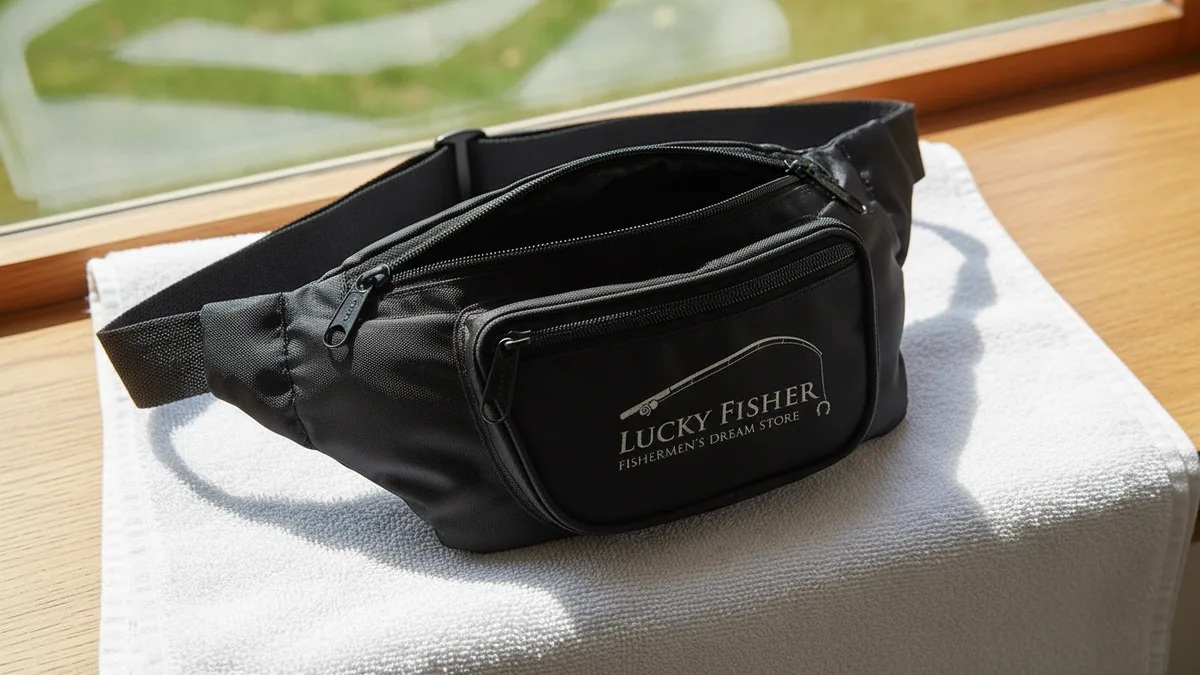
Hang it up or lay it flat, whichever the label says. To speed things up, set it near a fan and stuff it with a dry towel, swapping the towel every hour or so. Nylon and polyester are usually dry in 4 to 6 hours. Canvas takes 8 to 12. Leather is only wiped, so it just needs to air out until the surface is dry.
Store it only when it's completely dry. Hang it on a hook so the strap doesn't crease, or keep it in a breathable cotton bag rather than plastic, which traps moisture. Stuff it with tissue paper to hold its shape, and toss in a silica gel packet if you live somewhere humid. In a suitcase, fill it with socks and pack it in the middle, surrounded by soft clothes.
How to Fix a Sticky Zipper or Loose Fanny Pack Strap
A stuck zipper is usually grit. Brush the teeth clean with a dry toothbrush, then rub a graphite pencil, beeswax or a little zipper lubricant along the teeth and work the pull back and forth. If the zipper splits behind the pull, squeeze the slider a little tighter with pliers. Straighten bent teeth with tweezers. A tailor can replace the whole zipper if it's past saving.
How Do You Tighten a Fanny Pack?
To tighten a fanny pack, pull the loose tail of the strap back through the slider until the pack sits snug, then tug it firmly so the buckle holds. If the slider keeps slipping, thread the strap through the buckle a second time for more grip, or tie a small knot just past it as a stopper. With adjusters on both sides, shorten each side evenly so the pack sits centered on your waist or across your chest.
What Mistakes Should You Avoid When Washing a Fanny Pack?
The biggest mistakes are skipping the care label, using hot water or a dryer, and assuming every fanny pack can go in the washer. How a bag can be cleaned depends on its fabric, lining, coating and logo decoration, not on how sturdy it feels.
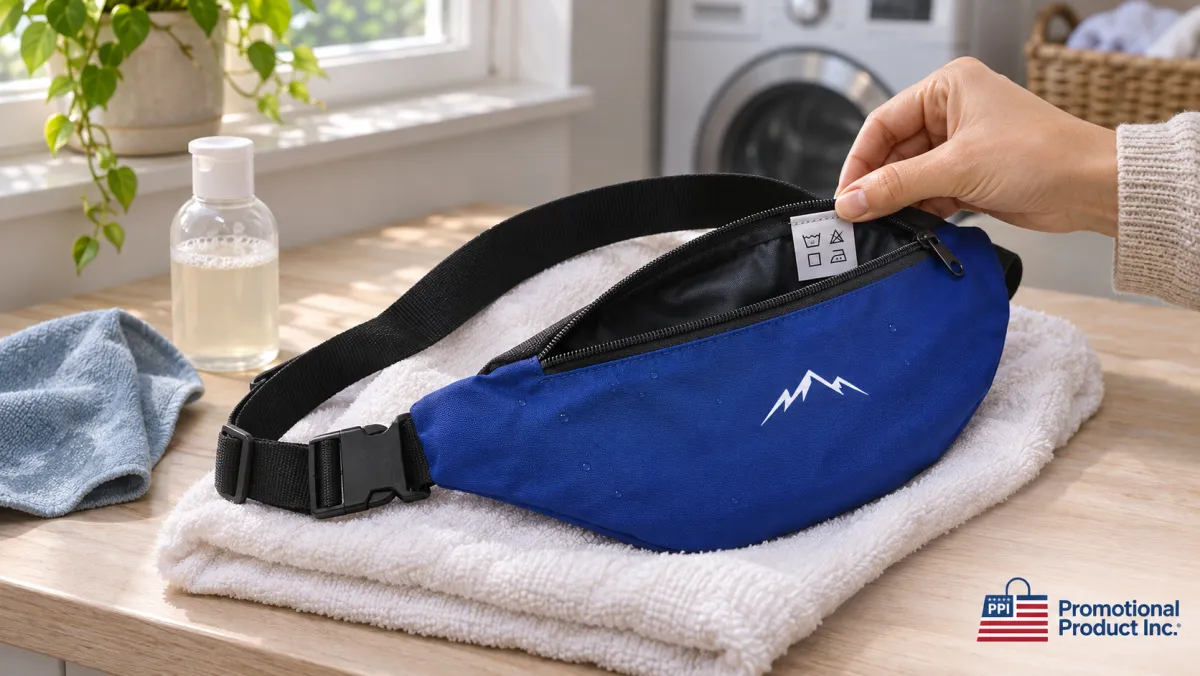
Whether it's a personalized belt bag you carry every day or a custom printed fanny pack from an event, watch out for these:
- Washing before you read the label. Two nylon packs can need different care because of their coating and trim. Use the care label decoder above, and if there's no label, look up the brand and model before you wet it, then test a barely damp cloth on a hidden spot.
- Hot water, a dryer or a radiator. Heat can warp the bag and make some printed logos crack or lift. Use the water temperature on the label and air dry it out of direct sun.
- Soaking leather or faux leather. Leather can stiffen or stain, and some faux leather finishes peel. Wipe it with a damp cloth, or a barely damp one for faux leather, as the fabric table shows.
- Scrubbing over the logo. A stiff brush or rough sponge can wear down screen printing and heat transfers. Use a soft cloth and work around the imprint without twisting the panel.
- Bleach, harsh solvents or strong stain removers. They can discolor fabric and damage coatings and decoration. Test any cleaner on a hidden spot first, and don't use more than you need. The one exception is a dab of rubbing alcohol on ink on genuine leather, covered in the stain section above.
- Leaving soap behind. Leftover detergent leaves a sticky film that pulls in dirt. Rinse a washable bag until no suds are left, and wipe a spot-clean-only bag with a clean, damp cloth instead.
- Deep cleaning after every use. Shaking out crumbs and spot cleaning small marks is usually enough between washes, and it saves wear on zippers, seams and print.
- Putting it away damp. Moisture trapped in a pocket leads to musty smells and mildew. Open every compartment and let the lining and strap dry fully first.
Care Tips for Bulk Fanny Pack Orders
When you order promotional fanny packs in bulk, ask for care instructions for the finished, decorated bag. A screen printed, embroidered or heat transfer waist pack may need different care than a plain one, even when the fabric is the same. Tuck a care card in with employee gifts, branded merch and event giveaways so recipients know how to look after the bag and your logo.
Need custom fanny packs for your next event or campaign?
Frequently Asked Questions
How often should you wash a fanny pack?
Deep clean a fanny pack every 2 to 3 months with normal use, monthly if you wear it every day, and once or twice a year if it mostly sits in a drawer. Wash it sooner after sweat, rain, spills or a day at the beach, and spot clean between washes.
Will washing fade a custom printed logo?
Washing can fade a printed logo over time, but cold water, washing inside out, skipping fabric softener and air drying out of direct sun slow it down. Hand wash when you can, and don't scrub directly over a print, embroidery or patch. Before trying a new cleaner on a branded bag, test it on a hidden spot and stop if you see color transfer, a water mark or a change in the finish.
Can you wash a fanny pack in the dishwasher?
No. A dishwasher's heat, water pressure and harsh detergent can wreck the fabric, seams and zipper. Hand wash it, or use a gentle machine cycle if the label allows.
Can you iron a fanny pack to remove wrinkles?
Only if the label shows an iron that isn't crossed out. Use the lowest setting with a cloth between the iron and the bag, because nylon and polyester can melt under high heat. For leather, hold a steamer at a distance or weigh the bag down overnight under a few heavy books.
Keep Your Fanny Pack Looking New
Most of this comes down to two habits: read the label before anything gets wet, and keep heat away from the bag. Empty it often, spot clean marks while they're fresh, and save the full wash for when it really needs one.
If you're ordering branded packs as team merch or a trade show giveaway, pick a fabric that's easy to clean, like the small waist pack with a side-release buckle, so cleanup stays quick. Buying in bulk? Our checklist on how to buy promotional fanny packs in bulk without hidden fees walks through getting an honest all-in price. For styling ideas, see how to wear a fanny pack, or read how the trend came back in our history of fanny packs in the USA.
Shop Related Categories
Share this post with your team
Send it to a colleague or save it for later.
Related Articles
What Is a Tchotchke? Meaning, Pronunciation and Examples
What is a tchotchke? The meaning of the word, how to pronounce and spell it, where it comes from, and why marketers call small branded giveaways tchotchkes.

Hat Sizes: How to Measure Your Head, a Full Hat Size Chart and What OS Means
A plain-English guide to hat sizes: how to measure your head in one minute, a full hat size chart in inches and centimeters, what OS means on a size label, and how to size hats for a group.
Structured vs Unstructured Hats: The Difference, and Which Cap to Choose
A structured cap stands up on its own and an unstructured cap relaxes and lies flat. Here is how each looks, fits and takes a logo, with a one-minute chooser and a free printable.
Types of Pens: How to Pick the Right One for Every Job (With a Free Cheat Sheet)
A chooser, not an encyclopedia: which pen to buy or hand out for each job, how pen tips and inks differ, head-to-head verdicts, left-handed tips and a free printable pen picker.