
Promotional Products for Small Businesses: Best Picks for 2025

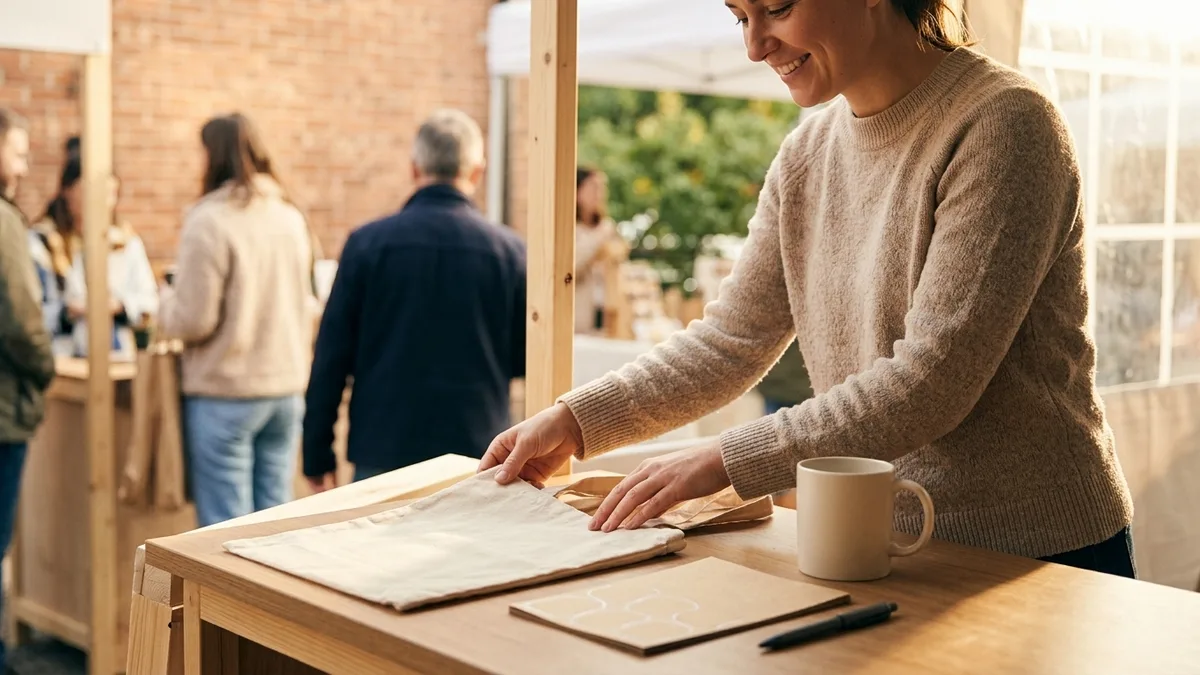
In this blog post on promotional products for small businesses, you’ll see how branded merchandise like pens, tote bags, mugs, apparel, and tech accessories can boost brand awareness and customer loyalty. Unlike digital ads that disappear quickly, custom promotional items stay in the hands of your audience, keeping your logo visible at offices, events, and in daily routines.
Promotional products for small business growth work because they create trust, spark positive associations, and encourage repeat business. From eco-friendly drinkware to branded tech giveaways, the right items make your company stand out while staying on budget. With support from suppliers like Promotional Product Inc, it’s easier than ever to choose effective products, customize them, and deliver lasting value to your customers.
Shop Eco-Friendly Drinkware for Small Business Branding
View all →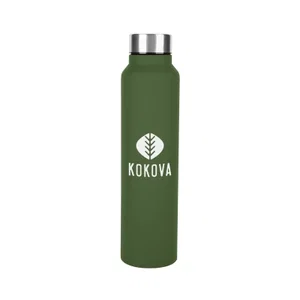
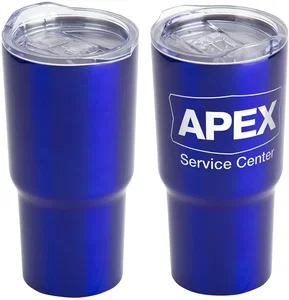
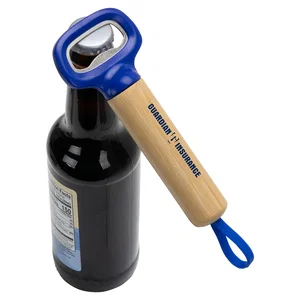
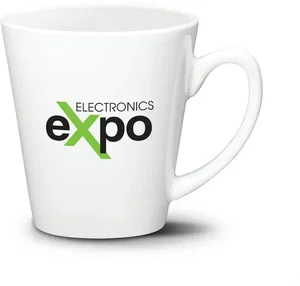
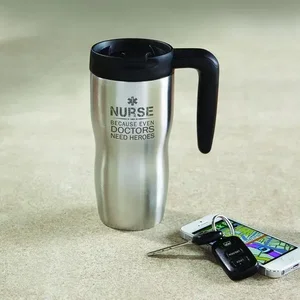
What Are the Most Popular Promotional Items for Small Businesses?
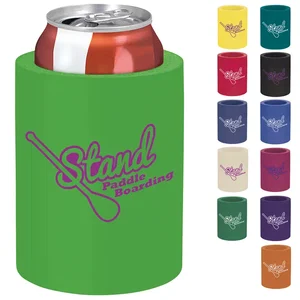
Promotional products are items such as pens, tote bags, apparel, mugs, or tech accessories that carry a company’s logo, slogan, or messaging. Businesses use these branded items to keep their name in front of customers, reach new audiences, and strengthen recognition. For a proven shortlist by use-case, jump to our best promotional items ranked by ROI further down this guide.
When customers see a company logo on useful products they use every day, they develop a sense of familiarity and trust with that brand. This form of marketing goes beyond digital ads or printed flyers because recipients keep and use promotional merchandise repeatedly. Each use creates another opportunity for visibility, whether at a trade show, office, or public event, increasing the reach far beyond the original recipient.
Effective promotional products serve two main roles: they help brands make memorable connections with their target audience and allow companies to stand out among competitors. Affordable options and bulk customization, such as those available from Promotional Product Inc, make these tools accessible for small businesses looking to make a professional impression while staying on budget. If you’re still deciding what works best for your brand, check out these examples of promotional materials for small businesses.
What Makes a Top-Rated Promotional Products Company for Small Businesses?
When buyers search for the best promotional products companies for small businesses in 2025 or 2026, they're really comparing five things: price transparency on bulk orders, customization help, proofing, fulfillment speed, and product range. Use this checklist when evaluating any supplier:
- Bulk pricing tiers: confirm unit price drops at the quantities you actually order.
- Free visual proofs: never approve a run without seeing your logo placement.
- Lowest-price guarantee or price matching: protects a small marketing budget.
- Rush and multi-destination shipping: critical for trade shows and events.
- Deep catalog: Promotional Product Inc carries over 300,000 customizable products, so you can keep every campaign on-brand from one vendor.
For a broader look at how the right merchandise answers the budget and visibility problems small businesses face, read why custom promotional products are essential for small business success.
Why Promotional Products Matter for Small Business Growth
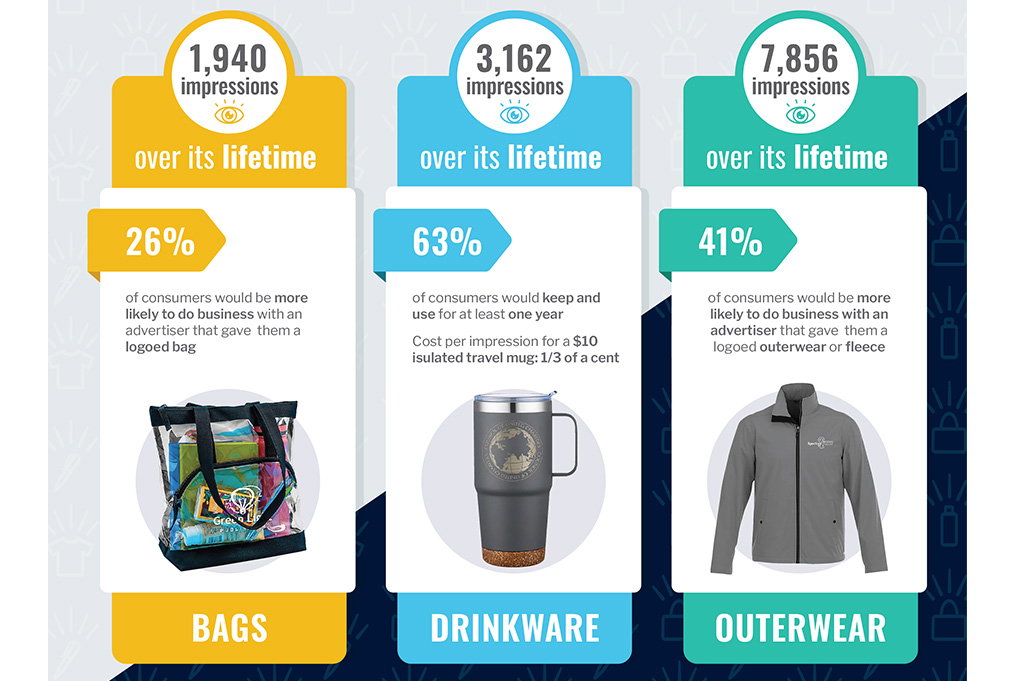
Most small businesses face constant competition and limited resources, making brand recognition and strong customer relationships essential for sustainable business growth. Promotional products offer an affordable way to stand out and build trust with your audience. Placing your name on custom promotional items keeps your brand in daily view, turning customers, employees, and event attendees into active promoters.
Brand Awareness and Market Visibility
Branded merchandise carries your logo into homes, offices, and public spaces. Items like tote bags, water bottles, and pens get repeated use, increasing brand exposure each time. According to data from the Promotional Products Association International, nearly 90% of consumers recall the advertisers on promotional products, which boosts word-of-mouth referrals and first impression strength.
Customer Engagement and Positive Associations
When customers receive a useful or thoughtful promotional product, it creates a memorable experience. These positive impressions can lead to higher levels of engagement, such as social media shares or in-person recommendations. Giving tangible, branded gifts helps your business stay top of mind and builds a stronger emotional connection compared to standard digital ads or emails.
Encouraging Loyalty and Repeat Business
Small businesses benefit from loyal customers who return over time. Custom gifts like calendars, notebooks, or tech accessories encourage repeat business by providing value that lasts well beyond a single encounter. Recipients often keep these items for months, or even years, which offers ongoing advertising at no additional cost.
- Startups can quickly establish presence in their local area with affordable giveaways at markets or trade shows.
- Growing companies can reward milestone customers or employees with useful branded items, reinforcing loyalty and boosting morale.
- For targeted campaigns, the right merchandise also supports lead generation and referral programs.
With support from services like Promotional Product Inc, small businesses can solve common challenges by selecting, customizing, and distributing the right promotional items that match their budget and goals. Want a deeper dive into why custom promotional products are essential for small business success? Our companion guide explains how branded items directly impact customer loyalty and visibility.
Key Criteria for Choosing Effective Promotional Products
Selecting the right promotional products starts with understanding your core goals. Whether your priority is building awareness, thanking customers, or attracting new leads, effective choices depend on aligning the item with your specific purpose.
Set a Clear Budget and Stick With It: Budget is often the first factor for small business owners. Decide how much you want to spend overall and per unit. Keep these points in mind:
- Unit price savings often increase with higher quantities. Calculate your minimum and maximum order sizes for best value.
- Allow a margin for extras like rush shipping or logo touch-up if deadlines are tight.
Know Your Audience and Their Context: Think realistically about who will receive your promotional item. Match the product to what your target group literally uses or values. For example:
- Employees at desks may use custom pens, notebooks, or coffee mugs.
- Community event attendees might respond better to tote bags, hats, or reusable water bottles.
- Tech-savvy audiences often prefer branded power banks or USB drives.
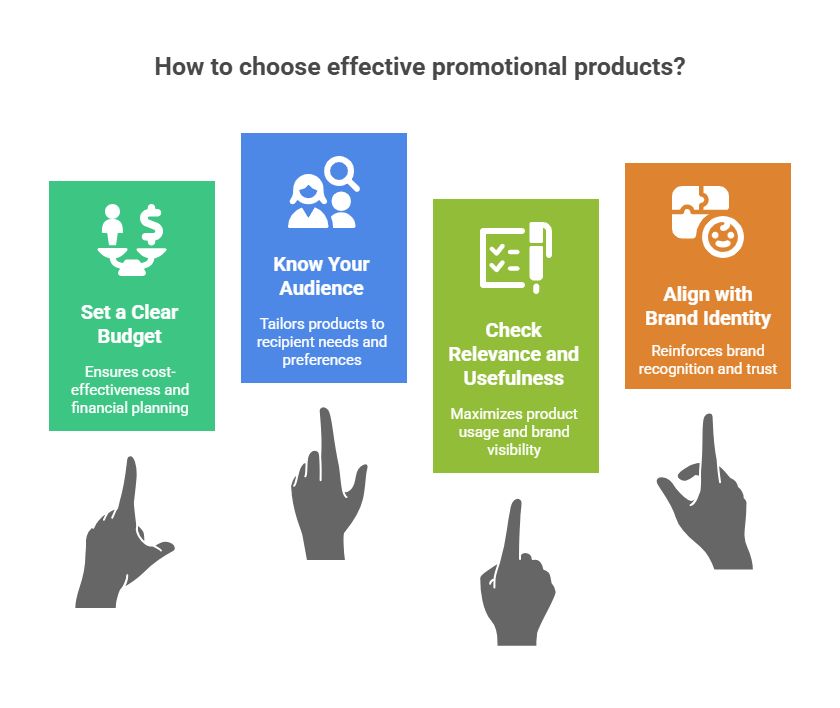
Check Relevance and Everyday Usefulness: Focus on practical products that your recipients will integrate into daily routines. The more often they use the item, the more your branding stays visible. Consider recent trends or seasonal needs. Items like eco-friendly totes or branded hand sanitizers gained popularity due to changing habits. Reviewing year-round bestsellers on sites such as Promotional Product Inc can give you insight into what consistently works.
Align With Your Brand Identity and Event Purpose: Choose products that reflect your company's values and the message for each campaign or event. Customization options, such as matching your brand's colors or including your full logo, reinforce recognition and trust.
Finally, always request a visual proof before placing a bulk order. This avoids mistakes in color, logo placement, or print quality and ensures you meet your objectives without unexpected costs.
Tips to Design and Brand Your Promotional Products
Strong design helps promotional products make a lasting impression and keeps a brand top of mind. For small businesses, focusing on a few practical tactics can increase the impact of every giveaway or branded gift.
Align Every Design With Your Brand Identity
Style, color, and tone must match how you want your business recognized. Choose brand colors and core fonts that your customers already see on your website or signage. Consistency builds trust because people pick up on familiar details. Add your logo, but also consider taglines or a web address for additional recall. Does the product feel like it belongs with your brand’s story? If you are unsure, request free visual proofs when working with suppliers to see how the design comes together before placing a large order.
Place Your Logo for Maximum Visibility
The best logo placement depends on the product’s shape and everyday use. For drinkware, front and center or facing the user gives clear, lasting exposure. On tote bags, place logos or messages on the main outer panel where they will be seen in public. Prioritize high-visibility locations where your audience is most likely to notice your brand every time they interact with the item. Always ask for digital mockups. Several providers, such as Promotional Product Inc, include this as a standard feature.
Add a Personal or Creative Touch
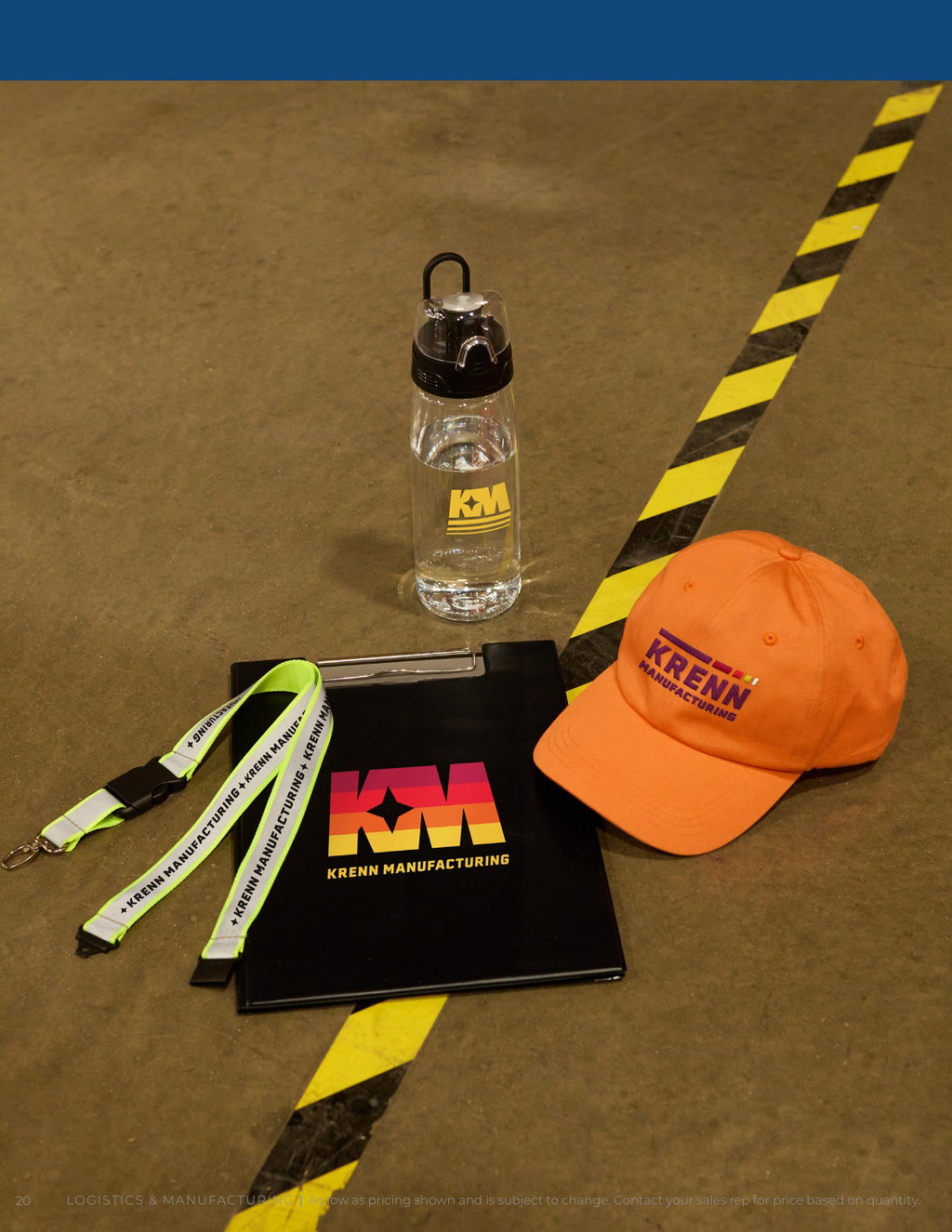
Personalization, even simple name printing or a unique graphic, can turn generic giveaways into valued gifts. For events, you can match the look to the theme or print variable data, such as guest names or special messages. Custom artwork or clever messaging builds conversation and memorability. Coordinate limited runs around product launches or seasonal themes for added attention. If you have a custom design in mind, several suppliers will offer free design support or recommendations to improve outcomes.
- Be clear in your instructions when submitting artwork files to avoid misprints;
- Review proofs carefully for color accuracy and layout issues;
- Aim for simple, recognizable graphics for smaller surfaces.
These details give small businesses the opportunity to provide professional and unique branded merchandise on a budget. Precise design communicates a clear identity and supports repeated engagement in every use.
Logistics of Ordering and Distributing Promotional Products
Sourcing and distributing promotional products smoothly means being prepared for each step, from placing orders to handling customization and delivery. Planning ahead saves money and avoids missing opportunities to create an impact at events or customer touchpoints.
Steps to a Smooth Order
- Choose Your Products: Select items that match your campaign's purpose, budget, and recipient needs.
- Prepare Artwork and Branding: Ensure your logo or message is high resolution and follows your brand guidelines before submitting it for customization. Free logo design and touch-ups are available from some suppliers, which helps avoid delays.
- Request a Proof: Always review a digital or physical proof before the full production run begins. This confirms color accuracy, logo placement, and text clarity, preventing expensive mistakes.
- Set Quantities and Variants: Clarify order details, such as padding the order if you need extra units or specifying sizes and colors if they vary by recipient group.
- Confirm Production and Shipping Times: Outline your deadline and check supplier averages for manufacturing and transit. Rush services exist but may affect budget.
Managing Customization and Distribution
Complex orders call for careful coordination, especially when distributing to multiple locations or events. To help, choose suppliers like Promotional Product Inc that offer support for large or multi-destination orders and provide shipment tracking.
- If time is tight, prioritize vendors with integrated shipping and in-house decoration. This streamlines the process and reduces risk of delay.
- Match distribution schedules with your marketing calendar. Shipping earlier or directly to events helps avoid last-minute stress.
- For high-value or high-volume items, request tracking details and delivery confirmation from your provider.
Potential challenges include proofing errors, missed event deadlines, or custom design issues. You can lower risks by:
- Getting accurate timelines and points of contact up front
- Starting early and requesting samples or physical proofs when possible
- Communicating any changes to artwork or shipping quickly
Working with experienced promotional product suppliers helps streamline these steps, ensuring your merchandise looks professional and arrives ready for your audience.
Top Trends: Most Effective Promotional Products for Small Business in 2025 and 2026
As small businesses prepare for 2025 and 2026, certain promotional products are gaining strong momentum because they pair practical value with renewed attention to environmental responsibility and digital convenience. The most popular choices reflect both shifts in consumer habits and improvements in customization technology. Understanding these trends will help ensure that your company’s branded merchandise feels current and receives more consistent use.
Sustainable and Eco-Friendly Drinkware
Eco-conscious marketing is leading the way in 2025. Customers are moving away from single-use plastics, and businesses are meeting that demand with sustainable promotional products that last. Drinkware is at the center of this shift.
Reusable eco-friendly mugs, tumblers, and water bottles made from recycled stainless steel, bamboo, or wheat straw are some of the best small business promotional items this year. These products reduce waste and become everyday essentials, keeping your logo in constant view at offices, gyms, and commutes.
For small businesses, branded custom logo mugs and tumblers offer double the value. They promote your brand while reinforcing your commitment to sustainability. Many companies are also using eco-friendly drinkware gift sets at trade shows and employee onboarding, where useful giveaways stand out from cheaper throwaway swag.
By investing in sustainable drinkware, your brand sends a clear message: you care about your customers and the planet. That’s a message people want to support, and one they’ll remember each time they sip their morning coffee or refill their bottle at the water station.
Popular small-business picks in this category include the durable 20 oz. Nova stainless steel tumbler for everyday desk and commute use, and the office-friendly 10oz Ceramic Tumbler, both customizable in bulk with your logo. Browse the full range below.
Tech Accessories and Everyday Convenience
Remote work and digital connections continue to drive demand for tech accessories. Compact wireless chargers, branded Bluetooth speakers, webcam covers, and multi-device charging cables are top picks because recipients quickly use and share them. A branded 10000 mAh Power Bank is a standout high-perceived-value giveaway. Items that organize cables or protect devices are effective for both office employees and remote teams. Explore the full power banks and wireless chargers lineup, and match any item with full-color printing to maximize logo visibility on every charge or connection. For startup-specific ideas, see our smart tech swag ideas for growing startups.
Custom Apparel and Wearables
Business-branded t-shirts, caps, and performance wear are consistently among the most distributed items at team events and local marketing campaigns. Updates in printing allow full-color, edge-to-edge designs, while soft, moisture-wicking fabrics boost retention. For community connection, retro hats and eco-fiber shirts carry both trend appeal and daily utility, making them excellent ambassador pieces for small businesses.
Health-Focused and Personalized Gifts
Mini hand sanitizers, touchless tools, and antimicrobial pens remain popular as health remains a personal priority. Combining such items with custom packaging and brief thank-you notes increases perceived value. Industry data from PPAI suggests that personalization, through name printing or user-specific details, strengthens brand memory and raises the likelihood that recipients actively use and keep the product.
By staying current with real consumer needs and thoughtful innovation, small businesses can choose promotional products that amplify their outreach in 2025 while showing a modern, caring brand identity.
Best Promotional Items for Small Business, Ranked by ROI
Trends tell you what's popular; ROI tells you what actually pays off. The difference between an item used daily and one that lands in a junk drawer comes down to three things: utility (does the recipient genuinely need it?), visibility (how often is it seen in public?), and relevance (does it fit your business and audience?). The five picks below score high on all three, with real bulk price ranges and the cost-per-impression math behind each.
1. Custom Pens: the everyday brand touchpoint ($0.40–$1.50 each, bulk)
Pens get used dozens of times a year, and every pick-up puts your logo, name, and contact info back in view. At as low as $0.40 per pen in bulk (500+), 1,000 quality pens cost under $1,000, and if even half of recipients keep using them, that's 500 daily brand reminders for under $2 per person per year. Best for B2B and professional-service firms. A smooth-writing, durable pen like the bamboo grip stylus pen signals quality; cheap clicky pens that skip do the opposite. Browse custom pens to compare styles.
2. Branded Tote Bags: the walking advertisement ($2.50–$6.00 each, bulk)
A tote gets used weekly for groceries, the gym, and errands, and every use is a public impression in front of dozens of people. At $3.50 per bag, 200 bags cost $700 and keep circulating far longer than a single digital ad. Best for retail and e-commerce (include in shipments), nonprofits, healthcare, and fitness studios. Invest in durable fabric. A reinforced-handle option like the 10 oz. Cotton Canvas Everyday Tote lasts for years, while a cheap tote falls apart and takes your brand reputation with it. Explore custom tote bags.
3. Branded Water Bottles & Drinkware ($3.00–$8.00 each, bulk)
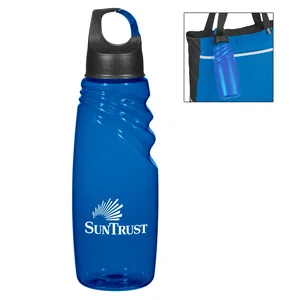
A water bottle gets used daily (on a desk, in a gym bag, in a car), making it a constant visible reminder. At $4.00 per stainless steel bottle, 150 bottles cost $600 and stay in front of the owner (and everyone around them) all year, driving per-impression cost extremely low. Best for fitness studios, corporate wellness, healthcare, and employee gifts. A premium pick like the 24 oz. Custom Hydro Flask Wide Mouth Water Bottle signals real care for top clients, while can coolers and coffee mugs cover budget gifting. Shop drinkware to match your budget.
4. Branded Apparel: the walking billboard ($5.00–$15.00 per item, bulk)
A branded t-shirt, hoodie, or hat worn in public turns one person into a mobile ad seen by everyone they pass. At $8 per t-shirt, 50 shirts cost $400, and each regular wearer becomes a voluntary brand ambassador, which puts apparel among the highest cost-per-impression items available. Best for nonprofits, fitness studios, corporate teams, and employee uniforms. Invest in quality blanks and printing (embroidery or quality screen printing); logos that crack after ten washes damage your brand. Browse branded apparel.
5. Branded Notebooks & Notepads ($1.50–$4.00 each, bulk)
A branded notebook sits on a desk, opens in meetings, and rides along to conferences, putting your logo in front of the owner and everyone nearby. At $2.00 per notebook, 300 notebooks cost $600, and high-frequency daily use keeps cost-per-impression very low. Best for B2B and professional-service firms, sales teams, and conference attendees. Pro tip: add a CTA to the back cover so it drives conversions while in use. Browse notebooks and journals for desk and pocket sizes.
Choose by budget tier
| Tier | Price / item | Best for | Example items |
|---|---|---|---|
| Ultra-budget | $0.30–$1.00 | High-volume events & giveaways | Pens, notepads, pencils, stickers |
| Mid-budget | $1.50–$5.00 | Client & employee gifts (best ROI) | Quality pens, totes, bottles, basic tees |
| Premium | $5.00–$15.00+ | VIP clients & milestone gifts | Premium apparel, insulated bottles, gift sets |
Ultra-budget items bet on frequency of use, not perceived value: great in an employee welcome kit, weak when tossed at a trade show. Mid-budget items buy perceived value and relationship-building; a $5 item reads as more care than a $0.50 one. Premium items signal that the relationship matters and get kept and used longer. For a deeper framework, see bottom-up vs. top-down budgeting for promotional marketing.
Best picks by business type
- Retail & e-commerce: tote bags (customers shop with them), apparel, and water bottles for gift boxes. Distribute in orders and at checkout. Budget: $2–6.
- Professional services (accounting, law, consulting): pens for meeting notes and notebooks for desk visibility. Distribute at client meetings and onboarding. Budget: $1–4.
- Fitness & wellness: water bottles for gym use and apparel for team identity. Distribute at member onboarding and as class prizes. Budget: $3–10.
- Corporate / B2B services: apparel, quality pens, and premium drinkware. Distribute as uniforms and client-appreciation gifts. Budget: $3–12.
- Nonprofits & associations: apparel for community identity, durable totes for high volume, cost-effective drinkware. Distribute as member benefits and donor appreciation. Budget: $1–5.
- Real estate & sales: apparel for open houses, quality pens for signing, notepads for desk visibility. Distribute as client and referral-partner gifts. Budget: $2–8.
Why Choose Promotional Product Inc for Your Branded Merchandise Needs
After reviewing the logistical steps of sourcing promotional products, many small businesses seek a partner who understands the importance of reliability, customization, and affordable pricing throughout this process. Choosing Promotional Product Inc can streamline these tasks, reduce stress, and help your brand make its intended impact.
Comprehensive Customization and Expert Design Support
With access to over 300,000 products, businesses can find nearly any item to fit their campaign, event, or employee recognition need. The process is simplified through complimentary logo design, free visual proofs, and expert support for artwork touch-ups or technical preparation. This ensures your brand identity consistently appears sharp and professional across every order. If your team lacks an in-house designer, request design help throughout quoting and proof stages to avoid errors and unexpected costs.
Reliable Fulfillment and Flexible Distribution
Promotional Product Inc offers fast, on-time delivery, with tracking and rush options available for urgent campaigns or last-minute needs. Small businesses benefit from transparent order management, including bulk shipping to multiple destinations. This makes event rollouts and distributed gifting easier to manage, supporting remote teams or multi-site marketing with minimal hassle.
Affordable, Quality Solutions for Small Business Budgets
Every order is backed by a lowest price guarantee and price matching, helping businesses make the most of their investment. Requesting samples before placing a full order helps ensure you get the desired product quality. For companies concerned about sustainability or brand perception, a growing range of eco-friendly offerings is also available.
- Products and services are tailored for practical results, beyond simple impressions
- Comprehensive support minimizes risk of missed deadlines or off-brand design
- Customers can focus on outcomes and engagement rather than process complexity
Actionable Strategies to Maximize ROI With Promotional Products
Measuring the ROI of promotional products is essential for small businesses that want to protect their budget and build steady brand growth. Success depends on more than picking trending items. You must set goals, track results, and use company swag as a tool to create lasting connections.
Measure Response and Track Engagement
Define clear objectives such as boosting event traffic, generating leads, or rewarding loyal clients. Use proven tactics:
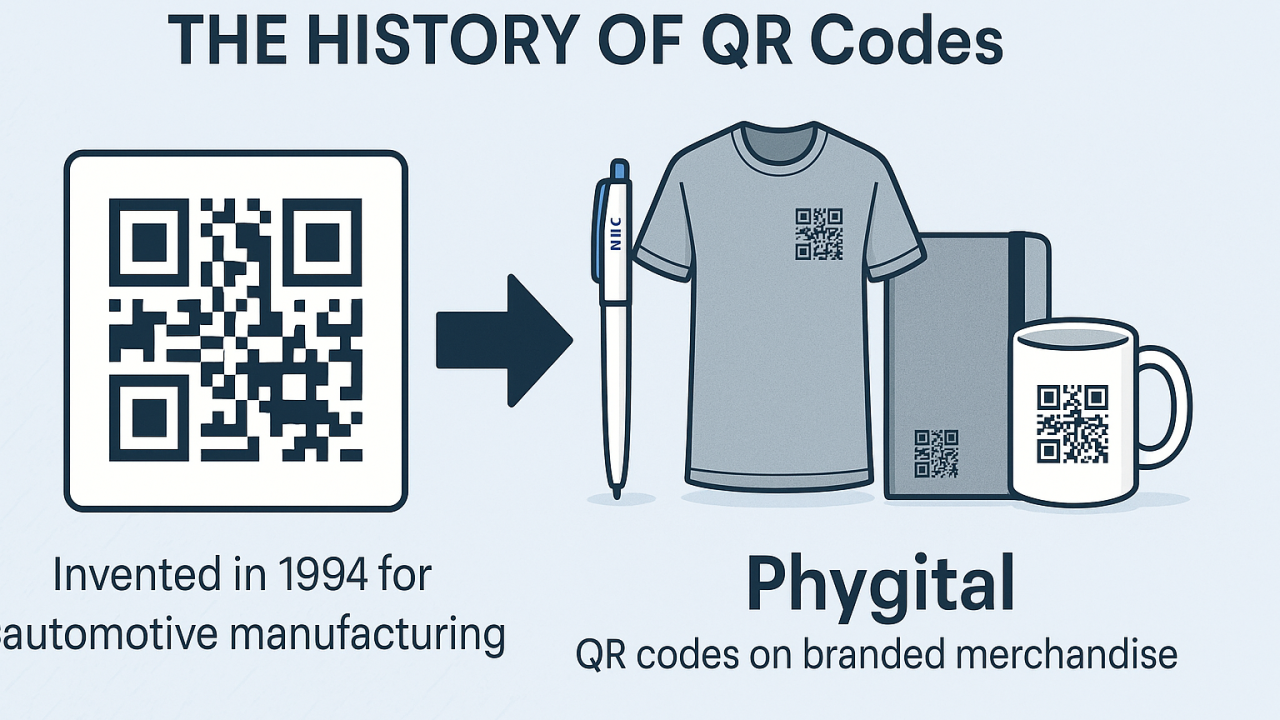
- Add promo codes, QR codes, or unique URLs on promotional giveaways to track redemptions and conversions.
- Collect quick survey feedback through branded items or follow-up emails.
- Use tools like Google Analytics to measure clicks, impressions, and conversions from marketing materials.
Promote Loyalty and Repeat Interactions
Turning first-time recipients into long-term customers requires strategy. Tie follow-up messages to giveaways, offer rewards for reviews or referrals, and connect promotional materials to loyalty programs. Seasonal drops or exclusive branded merchandise help increase retention. Reliable suppliers like Promotional Product Inc make reorders easy for every campaign.
Generate Leads and Referrals
Promotional items are effective for trade shows, healthcare marketing, and small business outreach. Use them to capture leads, referrals, and brand visibility:
- Offer trade show swag in exchange for contact details.
- Encourage referrals with bonus items when customers share your brand.
- Send personalized business promotional materials to key decision-makers.
Build Long-Term Growth
To maximize ROI, reinvest in top promotional items that deliver results. Track engagement, test new tech promotional products or healthcare promotional items, and scale what works. By combining smart planning with the right promotional materials for business, small companies can ensure every campaign drives measurable value and stronger customer relationships.
Ready to launch your small-business promo campaign?
Conclusion
Promotional products go beyond giveaways. They’re strategic tools for visibility, trust, and long-term brand growth. When chosen and executed correctly, they turn everyday items into lasting impressions that keep your business top of mind.
Whatever your goal, boosting brand recognition, increasing customer loyalty, or driving new leads, the key is selecting the right products, designing them with intent, and distributing them with purpose. As outlined throughout this guide, smart planning and precise execution can transform even a modest budget into measurable results. Don’t forget to factor in company swag and its tax implications when budgeting for giveaways.
Partnering with a trusted supplier like Promotional Product Inc ensures your branded merchandise meets high standards, stays within budget, and arrives on time, every time. With free design support, fast delivery, and access to over 300,000 customizable products, they make it easy for small businesses to compete like pros.
Ready to turn your brand into something customers remember and trust? Explore the top-performing promotional products now at Promotional Product Inc. and start building campaigns that convert attention into action.
Shop Related Categories
Related Articles
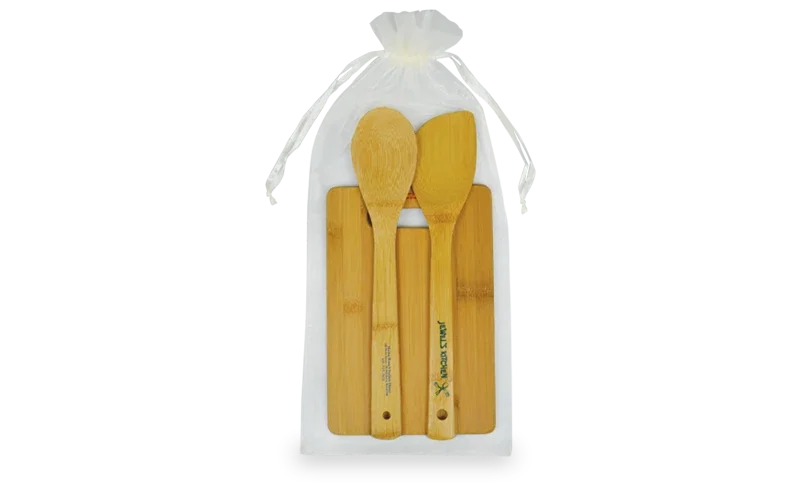
14 Clever Kitchen Giveaways People Will Actually Use
The best promotional kitchen products solve small everyday problems, so your logo stays in the kitchen for years. Compare 14 useful kitchen giveaways by the task they handle, with real bulk pricing and minimums.
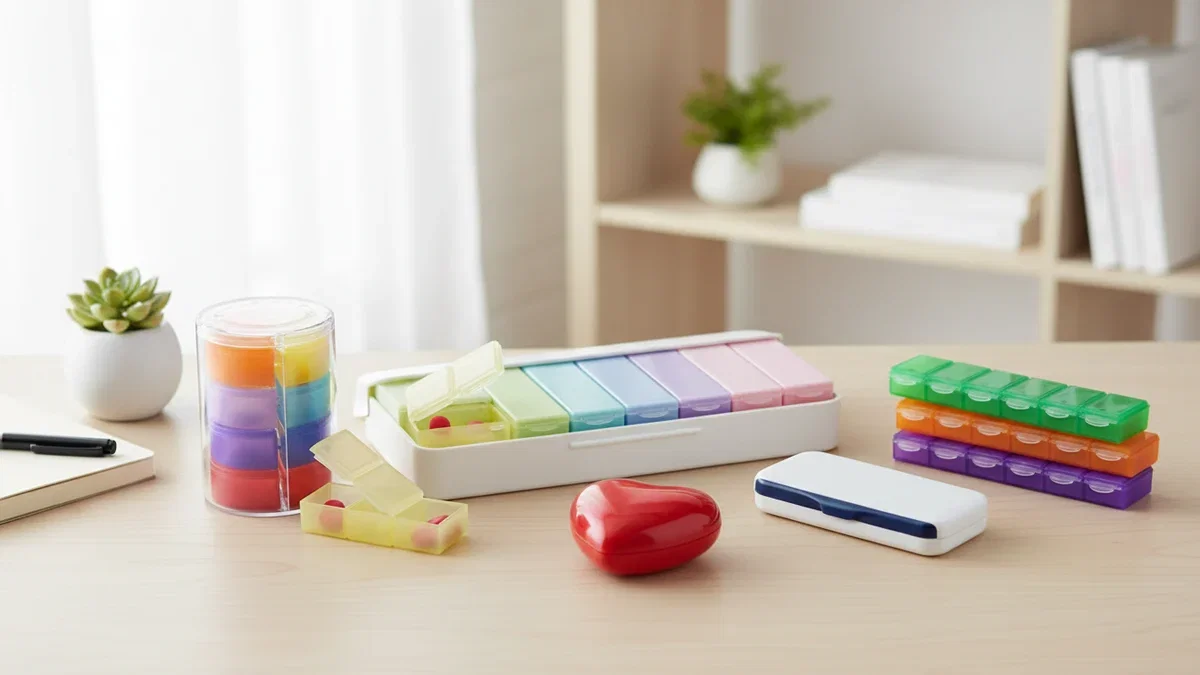
Custom Pill Boxes and Organizers: 35 Compared for Bulk Buyers
Compare 35 custom pill boxes and pill organizers by dosing need, with real bulk pricing, minimums and imprint sizes. Includes weekly trays, pill cutters and pet organizers.
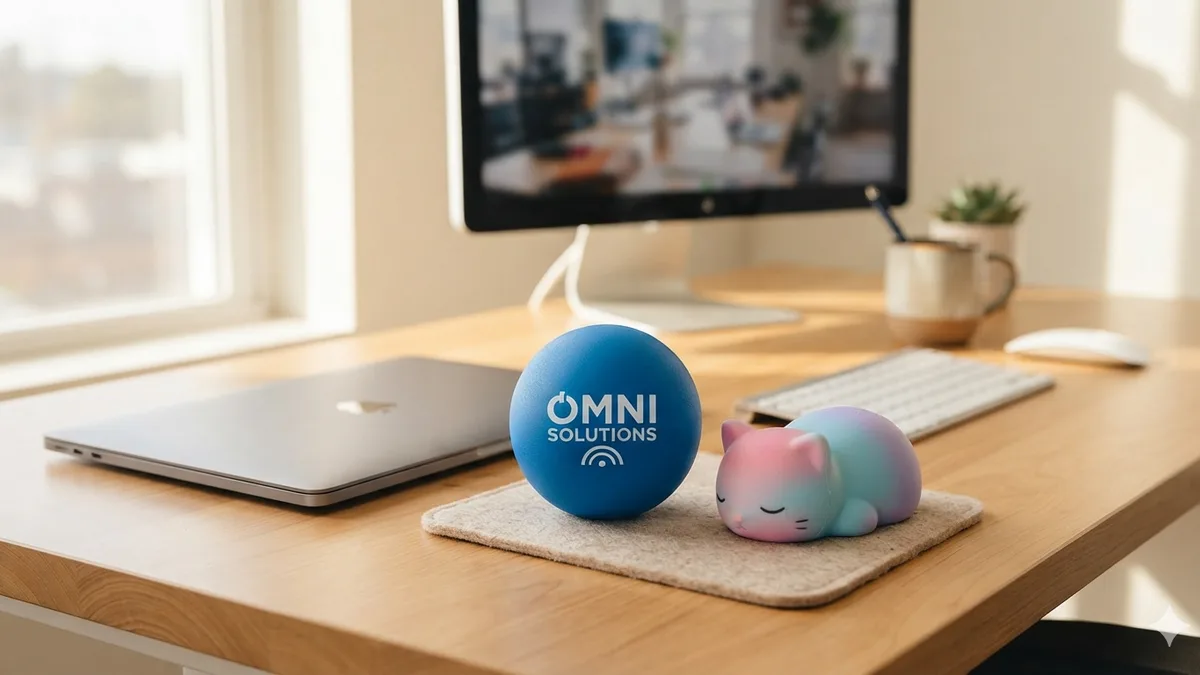
Stress Relief Gifts for Stress Awareness Month
Stress relief gifts people keep rather than toss: custom stress balls, sensory squishies, desk fidgets, sports shapes and curated wellness kits, all with real bulk pricing and links to order for Stress Awareness Month.
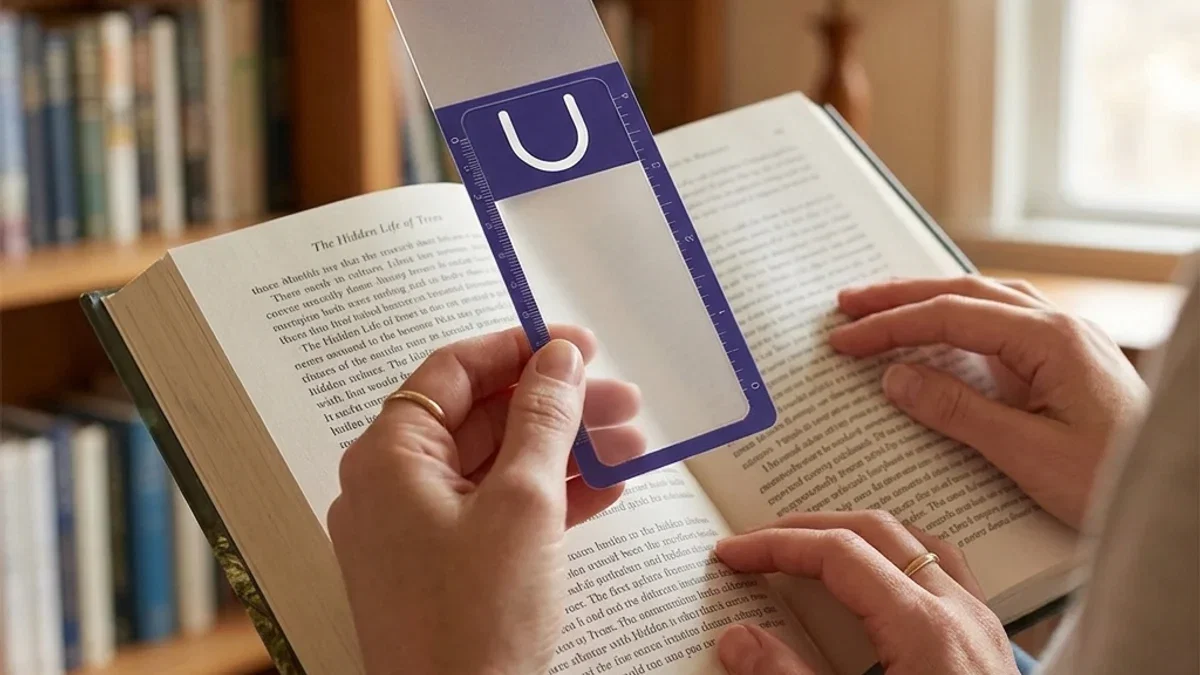
10 Fun Little Giveaways People Keep for Years
Ten small, genuinely useful giveaways people keep for years, real Bay State and Fields products with live pricing, feature flags, and links to order.